
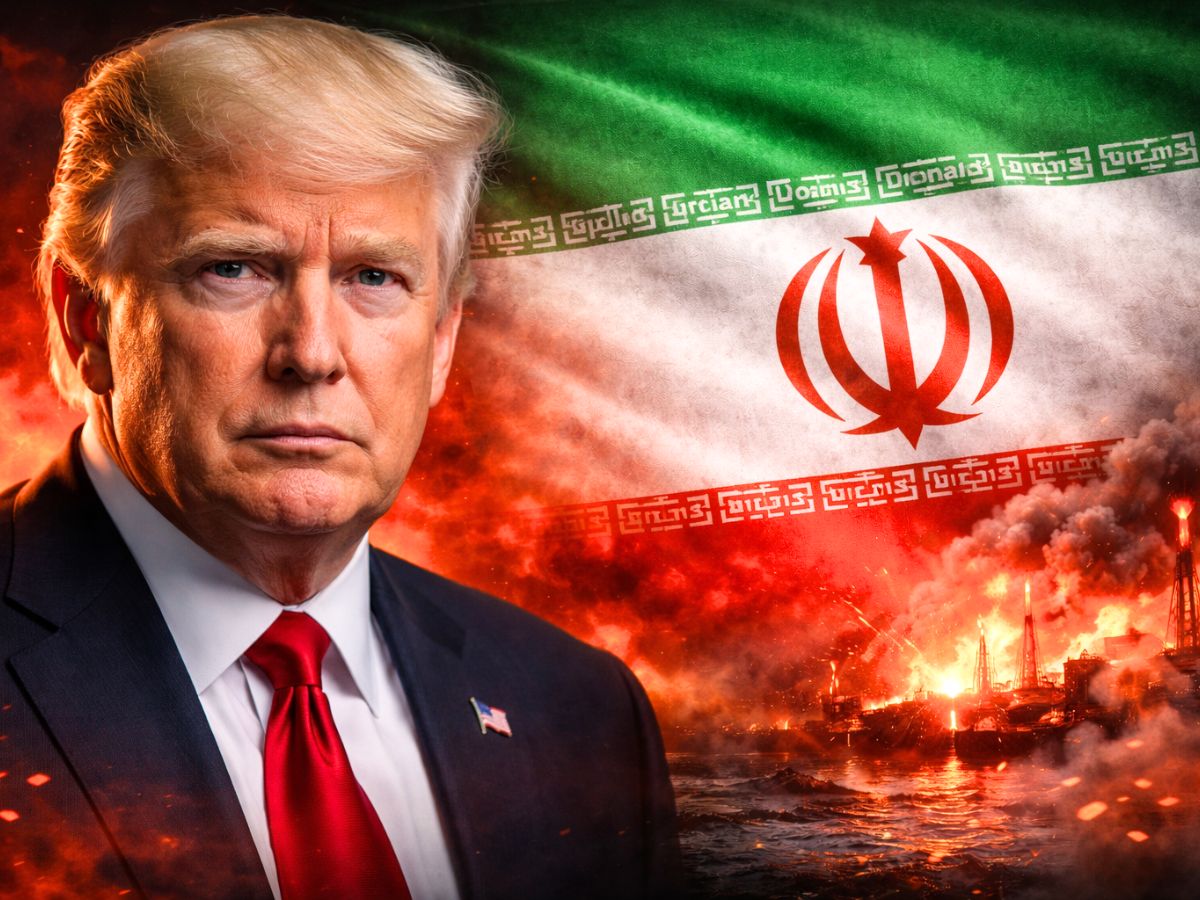

Trump news Iran war: In a major policy shift, US President Donald Trump has postponed planned military strikes on Iran’s power plants and energy infrastructure for five days.
Announcing the decision on social media, Trump said the move follows “very good and productive conversations” between the United States and Iran over the past two days. He added that the pause is conditional and depends on the success of ongoing talks expected to continue through the week, raising cautious hopes of a diplomatic opening even as tensions remain high.
Why Did Trump Back Down? Key Reasons Explained
Several critical factors appear to have pushed Washington towards this temporary climbdown. Intelligence inputs warned that any direct US strike on Iran’s energy infrastructure could trigger widespread retaliation across the region, targeting not just American assets but also key allies in the Gulf. These fears began to materialise as Iran launched attacks on US-linked sites and regional partners.
Another major concern has been the disruption of the Strait of Hormuz, through which nearly 20% of the world’s oil supply passes. Iran’s actions to restrict tanker movement have already rattled global markets, pushing oil prices higher and raising fears of inflation.
Adding to the pressure, several US allies including countries in Europe and Asia have hesitated to join any military coalition to secure the waterway, weakening Washington’s strategic position. Trump himself admitted surprise at Iran’s willingness to strike neighbouring countries, despite prior intelligence warnings, highlighting the risks of further escalation.
Ongoing Conflict Shows No Signs of Slowing
Despite the pause announcement, the broader conflict continues unabated. The US-Israel offensive against Iran has entered its third week, with thousands reportedly dead and no immediate end in sight.
Israel has intensified strikes targeting what it calls Iranian regime infrastructure in Tehran and Hezbollah-linked sites in Beirut, and is reportedly preparing for weeks of continued military operations. Iran, meanwhile, has demonstrated its ability to sustain long-range attacks, countering claims that its military capabilities have been significantly weakened.
How Tehran Reacted
Tehran has shown no signs of de-escalation following Trump’s announcement, instead projecting defiance both militarily and rhetorically; Iranian state media portrayed the US decision as a retreat, claiming Washington “backed down” out of fear of retaliation, while Iran simultaneously escalated its actions by launching fresh missile and drone strikes on Israel and US-linked targets across the Gulf, including attacks that disrupted operations in the United Arab Emirates and targeted the US embassy in Baghdad.
This shows its continued offensive capability despite sustained bombardment, and tightening its control over the Strait of Hormuz by deploying drones and naval mines that have effectively restricted a critical global oil route, signaling that Tehran is prepared to intensify pressure if provoked even as it engages in ongoing diplomatic talks.
Global Impact: Oil, Economy and Diplomatic Pressure
The conflict is increasingly affecting the global economy. Oil prices have surged amid supply concerns linked to disruptions in the Strait of Hormuz, while policymakers fear a potential stagflation scenario rising inflation coupled with slowing growth.
Trump’s frustration has also been visible as several allies declined to support US efforts to secure the waterway, citing lack of international mandate. The US President has even hinted at delaying key diplomatic engagements, including a planned visit to China, reflecting the gravity of the situation.
Will the strike continue again after the ‘Pause’?
The five-day pause offers a narrow window for diplomacy, but the situation remains highly volatile. With both sides continuing military operations and no clear roadmap for de-escalation, the coming days will be crucial in determining whether talks can prevent a broader regional war or if the conflict will intensify further.
Sofia Babu Chacko is a journalist with over five years of experience reporting on Indian politics, crime, human rights, gender issues, and stories about marginalized communities. She believes journalism plays a crucial role in amplifying unheard voices and bringing attention to issues that truly matter. Sofia has contributed articles to The New Indian Express, Youth Ki Awaaz, and Maktoob Media. She is also a recipient of the 2025 Laadli Media Awards for gender sensitivity. Beyond the newsroom, she is a music enthusiast who enjoys singing. Connect with Sofia on X: https://x.com/SBCism




