
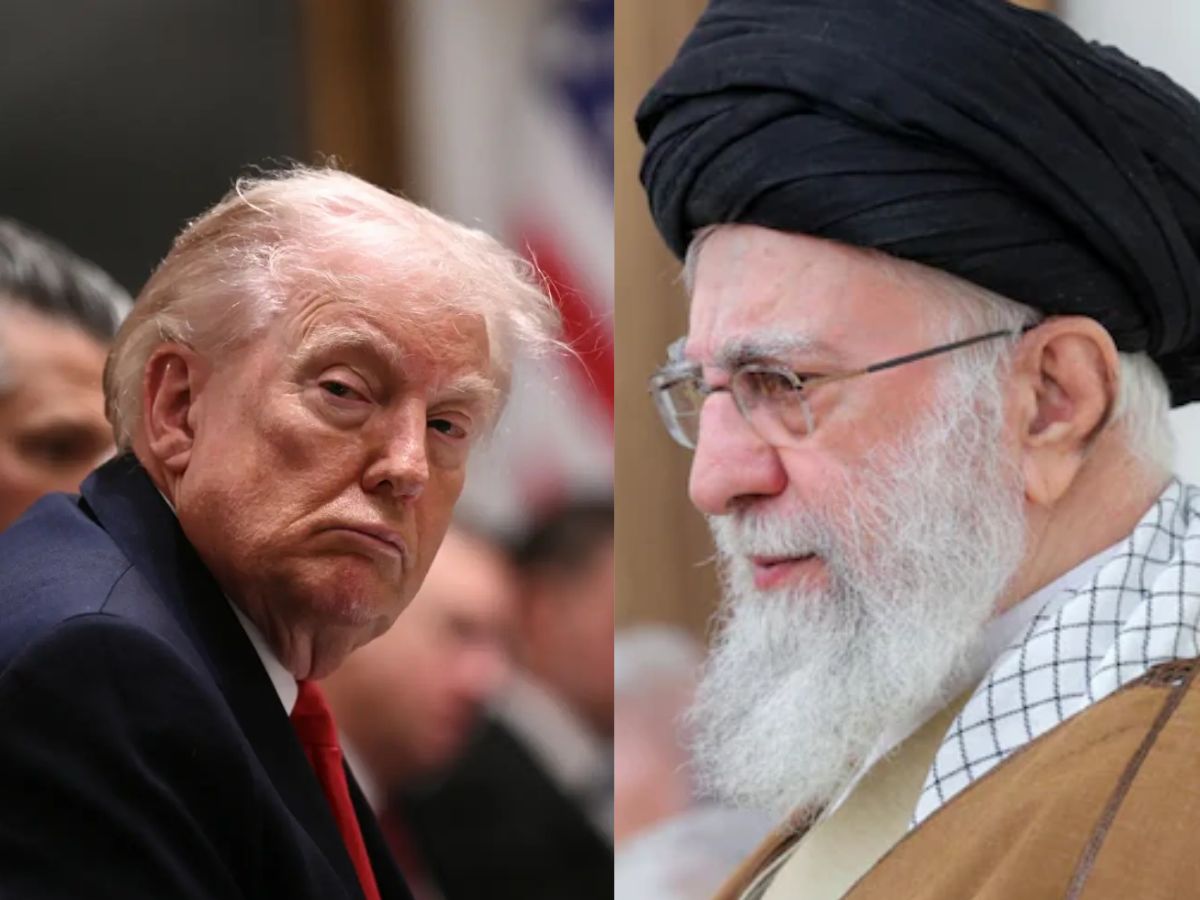

The United States Department of State announced new sanctions against Iran on February 6, 2026, which targeted the country’s oil and petrochemical trade operations.
The diplomatic announcement followed the completion of indirect talks between American officials and Iranian Foreign Minister Abbas Araghchi, which took place in Muscat, Oman.
Tehran described the diplomatic meeting as having a “positive atmosphere,” but the Trump administration immediately implemented punitive measures that showed its commitment to maintaining a two-part approach that combined high-pressure tactics with limited diplomatic talks.
Shadow Fleet Interdiction
The main objective of this executive order focuses on breaking up the hidden fleet, which operates as an advanced system of ships to conduct illegal international trade.
The U.S. government wants to stop Iranian export activities by prohibiting 14 specific tankers that have registration from Turkey, India, and the United Arab Emirates.
The ships face accusations of transporting millions of barrels of crude oil through maritime operations that involved turning off their transponders and creating fake shipping records.
U.S. State Department Principal Deputy Spokesperson Tommy Pigott stated that these sanctions execute the “maximum pressure” campaign, which aims to eliminate Iranian oil revenue while stopping funding for regional conflicts and internal government oppression.
Strategic Economic Containment
The U.S. imposed penalties on 15 organizations and two people because it wanted to shut down the financial and administrative systems that helped these illegal activities.
This group includes shipping management companies and international directors who operate from major ports in Hong Kong and India. Washington has established a transaction prohibition against these entities, which will increase the international financial restrictions that already affect Tehran’s main source of foreign currency.
This plan aims to intensify the economic weaknesses that the Iranian clerical government currently faces because it already deals with domestic protests and the results of past military conflicts. The administration’s stance remains firm: diplomatic channels in Oman will not provide a reprieve from the economic consequences of Iran’s nuclear and regional policies.
Also Read: Iran’s FM Calls Talks With US A ‘Good Beginning’, Signals Diplomatic Path Ahead Amid Global Watch
A recent media graduate, Bhumi Vashisht is currently making a significant contribution as a committed content writer. She brings new ideas to the media sector and is an expert at creating strategic content and captivating tales, having working in the field from past four months.




