

The civil nuclear cooperation agreement between the United States and Thailand has come into force. This 123-agreement which has come into force would provide a framework for peaceful nuclear cooperation between the two countries based on a mutual commitment to nuclear non-proliferation.
Civil nuclear cooperation agreement between the two nations would facilitate the transfer of nuclear material, equipment (including reactors), components, and information for nuclear research and civil nuclear energy production.
The Civil Nuclear Cooperation Agreement of 1974 between US and Thailand expired in June 2014, 40 years after entering into force. Hence, this agreement was signed between the two countries in January this year to renew the civil nuclear partnership.
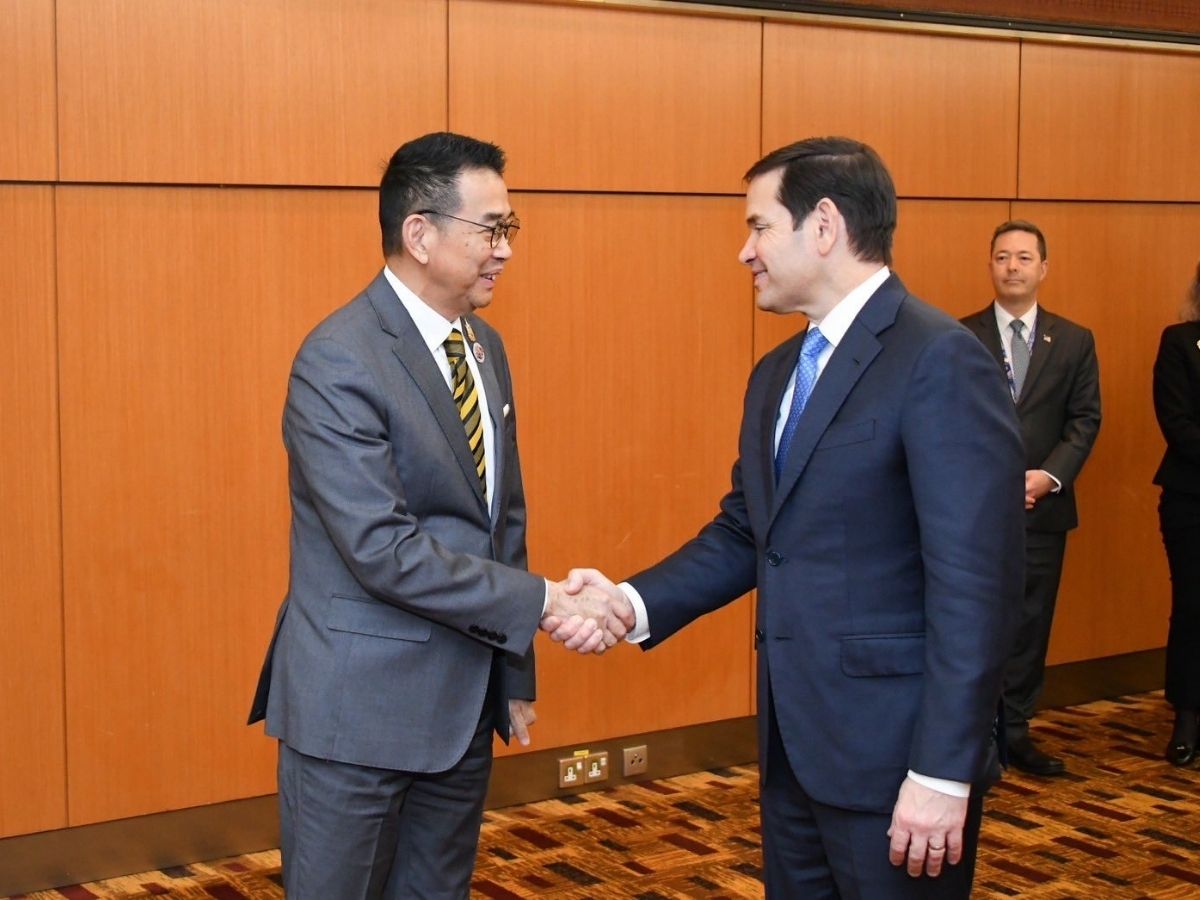
FM @AmbPoohMaris had a bilateral meeting with U.S. Secretary of State @SecRubio on the sidelines of #AMMPMC58 in Kuala Lumpur reaffirming to strengthen long-standing Thailand – U.S. alliance & strategic partnership, advancing coop., esp. defense & security, trade & investment,… pic.twitter.com/UxyReF58Sc
— กระทรวงการต่างประเทศ | MFA of Thailand (@MFAThai) July 11, 2025
America has, in the past, advocated the fact that countries seeking to trade nuclear power goods and services must sign formal cooperation agreements. Such section 123 agreements relate to the relevant paragraph of the US 1954 Atomic Energy Act which requires them.
Broader aim of the agreement is to deepen cooperation and support for Thailand’s energy security and net zero goals.
Last year, the United States finalised the civil nuclear cooperation agreement with the Philippines too.
Nuclear energy offers a clean energy solution with a stable baseload of power providing affordable, long-term options for critically needed energy.
ALSO READ: Greece Halts Asylum Claims from North Africa Amid Rights Backlash




