
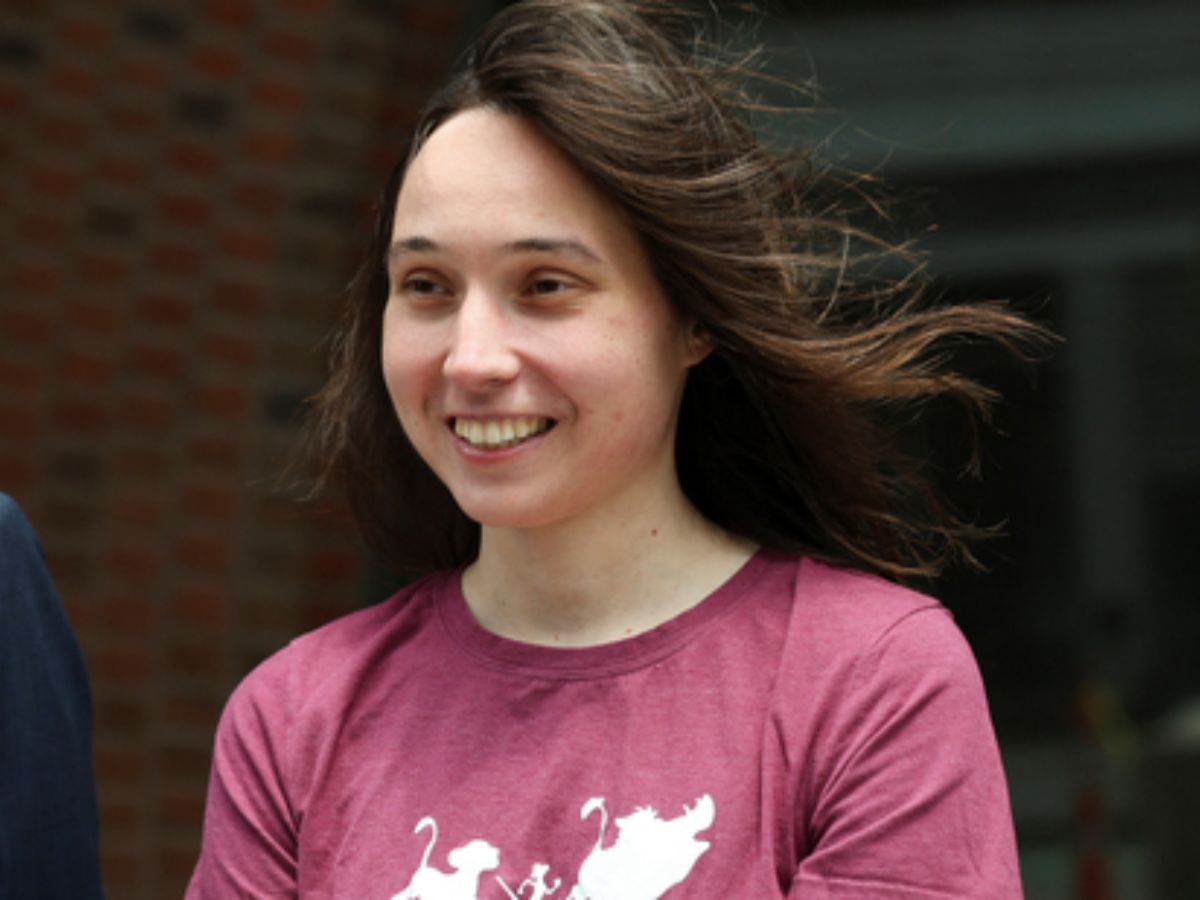

Just two weeks after she was let out of U.S. custody, Kseniia Petrova, a 30-year-old scientist at Harvard Medical School, is facing even more legal trouble. A federal grand jury in Boston has added two new charges to her case—making a false statement and hiding important information—on top of the earlier charge of smuggling.
These new charges came shortly after Petrova’s lawyers had asked a judge to throw out the original case.
So far, her legal team hasn’t said anything about the new indictment.
It All Started at the Airport
Petrova was first stopped at Boston Logan Airport on February 16 when she came back from a trip to France. U.S. Customs officers flagged her checked bag and found frog embryos inside.
Petrova said she was just doing what her boss asked—bringing back the samples for experiments at the lab. But officials say biological materials like that must be declared when you arrive in the U.S., and she didn’t.
She Said She Didn’t Know
When officers first talked to her, Petrova allegedly denied having any biological material. Later, she said she wasn’t sure whether frog embryos needed to be declared.
But prosecutors say one of her colleagues had actually texted her ahead of time, reminding her to get permission before bringing the samples back. That message is now a key part of the case against her.
Visa Cancelled and Held for Deportation
After the frog embryos were found, Petrova’s visa was canceled, and immigration officials took her into custody. She was held for months, with U.S. authorities planning to send her back to Russia.
Petrova says she’s scared to return to Russia because she has spoken out against the war in Ukraine. Some of her supporters believe she was targeted because of her nationality and politics, especially under Donald Trump’s tough immigration policies, which cracked down on foreign students and scientists.
What Happens Next?
Petrova was granted bail on June 12, but with these new charges, her case is far from over. If she’s found guilty, she could face serious punishment—possibly even jail time and deportation.
Meanwhile, the case is sparking a bigger conversation in the science world. Many are asking how much risk international researchers face when dealing with scientific samples and how strict border rules might affect global academic work.
Petrova’s story has now become more than just about frog embryos—it’s about science, immigration, and the fine line international researchers have to walk.
Also Read: Trump’s Nobel Hopes Collapse Amid Backlash and Broken Ceasefires




