

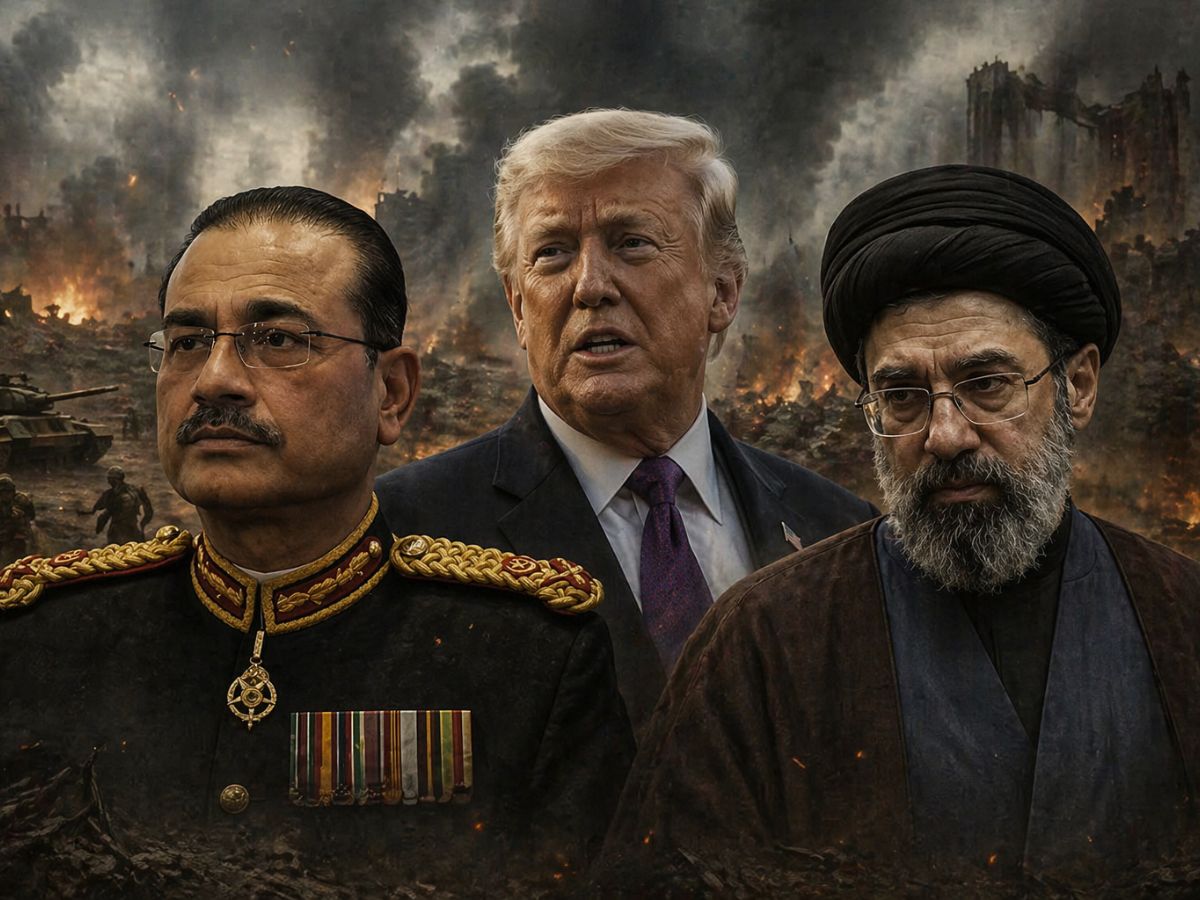
The Pakistan’s effort to be the main peace broker in the Iran-US crisis is now under serious question. A move that was perceived as a courageous diplomatic effort by the Asim Munir led government is now perceived as a risky gamble that may not have panned out as initially envisioned. At the forefront of that perception is the growing unease in Iran regarding the manner in which the Mediation effort has been conducted.
The Situation is Complicated. Pakistan intervened at a moment when the strain between the US and Iran were at an all-time high, attempting to serve as a reliable intermediary. Despite a good deal of optimism at that time, cracks have begun to show that are leading to doubts as to whether the Mediation effort has backfired.
Asim Munir Mediation Gamble Faces Setback As Iran Shows Discontent
The Mediation effort that Pakistan attempted to create was basically being driven by the Asim Munir, who has gained in stature as a key player in the regional diplomatic picture. He is seen as someone who can communicate with both Washington and Tehran while providing a conduit between the two. In addition, He was significant in bringing the two sides to the table for negotiations in Islamabad.
Reports suggest that Pakistan successfully facilitated lengthy discussions between the US and Iran teams; however, the result did not meet expectations. Although a tenuous ceasefire was established at an earlier date, no long-lasting agreement was reached.
In addition, Iran has been cautious in its response and has expressed criticism throughout the mediation process. Iran has also expressed frustration regarding how the negotiation process was being constructed, and has also conveyed that it felt pressured during the negotiation phase.
Asim Munir Mediation Effort Complicated By US Actions And Trust Issues
Among the greatest challenges facing the mediation effort was the way in which the US conducted its actions. The establishment of a naval blockade on Iran was a main contention point for negotiations. This increase in tension resulted in substantial difficulty moving forward with negotiations.
Asim Munir raised this issue with President Donald Trump, indicating that the blockade was a primary barrier to negotiations proceeding, and that Trump would “consider” the issue; showing some willingness but not providing any commitment.
Iran viewed US actions in this manner as demonstrating a lack of good faith for negotiations, creating mistrust with Iran; thereby making the job of Pakistan as mediator exceedingly difficult.
Asim Munir Role As Mediator Brings Both Praise And Doubts
The way Asim Munir has managed to bring people together, along with both praise and scepticism, makes him a bit of a polarising figure. Asim Munir has been at the centre of the Pakistan diplomatic push and has demonstrated phenomenal communication between both parties while working toward keeping the diplomacy alive.
Many analysts say Asim Munir is the main contributor to the success of mediation efforts by the fact that he is the driving force behind shaping Pakistan’s international relations.
On the other hand, detractors suggest that focusing on one person’s efforts is potentially risky. There is also scepticism about whether Pakistan’s mediation efforts are neutral or self-driven.
Asim Munir Mediation Under Scrutiny As Global Concerns Grow
Many in the U.S. have also been raising their eyebrows about Asim Munir and have been using intelligence reports that label him as a potential red flag or possibly a liability in relation to sensitive negotiations.
These examples highlight the dilemma of being a country that is trying to build a platform with two players while creating suspicion regarding their motives and reliability.
Pakistan’s diplomatic efforts have been portrayed as a part of a broader campaign to improve its global reputation. The goal is to have the country go from being an isolated country to being seen as a major diplomatic player in the area.
Asim Munir Mediation Gamble Reflects Pakistan’s Bigger Strategic Push
Pakistan is unable to talk about the peace process in relation to the Iran and U.S. conflict without adding the fact that it is trying to establish influence and demonstrate it can be a significant player on the global level. The mediation effort has garnered attention for Pakistan and has given it additional clout but the outcome is yet to be determined.
In some areas, the mediation has had success such as encouraging the two sides to agree to a ceasefire and keeping lines of communication open between the two. However, the situation domestically is delicate and disagreement remains on several major issues such as the status of the Strait of Hormuz and regional disputes.
Iran’s main concern appears to be trust; while the U.S. has placed its focus on strategy and pressure. Pakistan is trying to navigate the territory in between both.
Asim Munir Mediation Future Remains Uncertain Amid Rising Tensions
Asim Munir’s chances for accomplishing further mediation efforts will be affected by how this and other conflicts and relationships in the region develop.
Pakistan’s plan to mediate in the current situation has not completely failed, but is facing significant problems due to Iran’s reluctance, actions taken by the US and scepticism worldwide.
The next few days will be very important. If negotiations resume and produce results, it may be possible for Pakistan to play a key role in bringing about peace. However, if the situation continues to deteriorate, Pakistan could appear to have made a poor judgement in its attempt to mediate.
At this moment, Asim Munir’s efforts at mediation continue, and highlight the complexities of diplomatic activity in an environment with minimal trust and significant risk.
Khalid Qasid is a media enthusiast with a strong interest in documentary filmmaking. He holds a Master’s degree in Convergent Journalism from AJK MCRC. He has also written extensively on esports at Sportsdunia. Currently, he covers world and general news at NewsX Digital.





