
Why Only Chana, Poori, and Halwa in Navratri
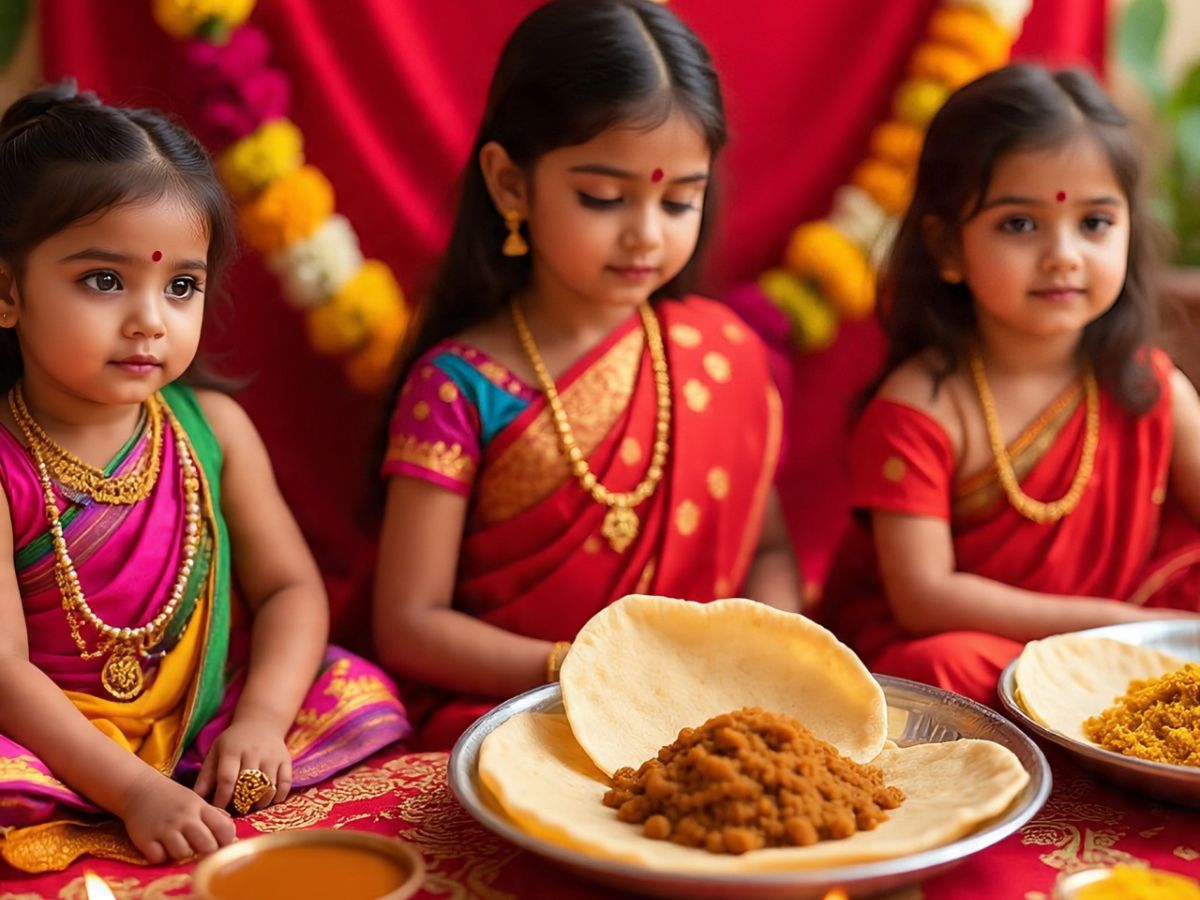
The combination of chana, poori, and halwa is an intrinsic part of Navratri’s concluding rituals, especially Kanya Pujan performed on Ashtami and Navami. Their presence on the plate merges devotion, tradition, and well-thought nutrition.
Spiritual and Religious Importance
Navratri culminates with the worship of young girls—believed to be earthly incarnations of Goddess Durga. The foods offered are considered pure (satvik), free from onion and garlic, and apt for prasad. Chana symbolizes strength and endurance; halwa represents prosperity and sweetness in life while poori stands for completeness and the fullness of blessings. Together, they honor Goddess Annapurna, deity of nourishment, and embody gratitude for abundance.
Cultural Roots and Ritual Practice
The meal’s simplicity and purity reflect humility and devotion. Feeding young girls this meal is believed to invoke the goddess’s blessings, ensuring prosperity and protection for the family. The dishes are also practical, being easy to prepare in large batches for communal distribution, further encouraging togetherness and equality among devotees.
Nutritional Value after Fasting
After several days of consuming light sattvic foods, breaking the fast with this wholesome trio is ideal. Chickpeas (chana) provide protein, fiber, and vital minerals. Halwa, made from semolina and ghee, delivers much-needed energy and healthy fats. Poori, as wheat bread, adds satisfaction and sustenance. The combination helps stabilize the digestive system and reestablishes energy levels gently, preventing discomfort after fasting.
Mythological and Seasonal Relevance
Legends explain these dishes were chosen due to harvest cycles (wheat and chana are freshly available in spring). Moreover, mythology links the ritual to Goddess Durga’s own acts—transforming into a young girl to defeat evil and bless her devotees with food and protection. This ritual is, thus, about honoring both the goddess and the spirit of selfless giving at the end of spiritual austerity.
The information is presented for educational and cultural awareness. Rituals and dietary practices may vary by tradition; for health or nutrition concerns, please seek guidance from a qualified expert or family elder.
Vani Verma is a content writer with over 2 years of experience in lifestyle, entertainment, health and digital media. She has a knack for creating engaging and research-driven content that resonates with readers, blending creativity with clarity. Passionate about media trends, culture, and storytelling, she strives to craft content that informs, inspires, and connects.