
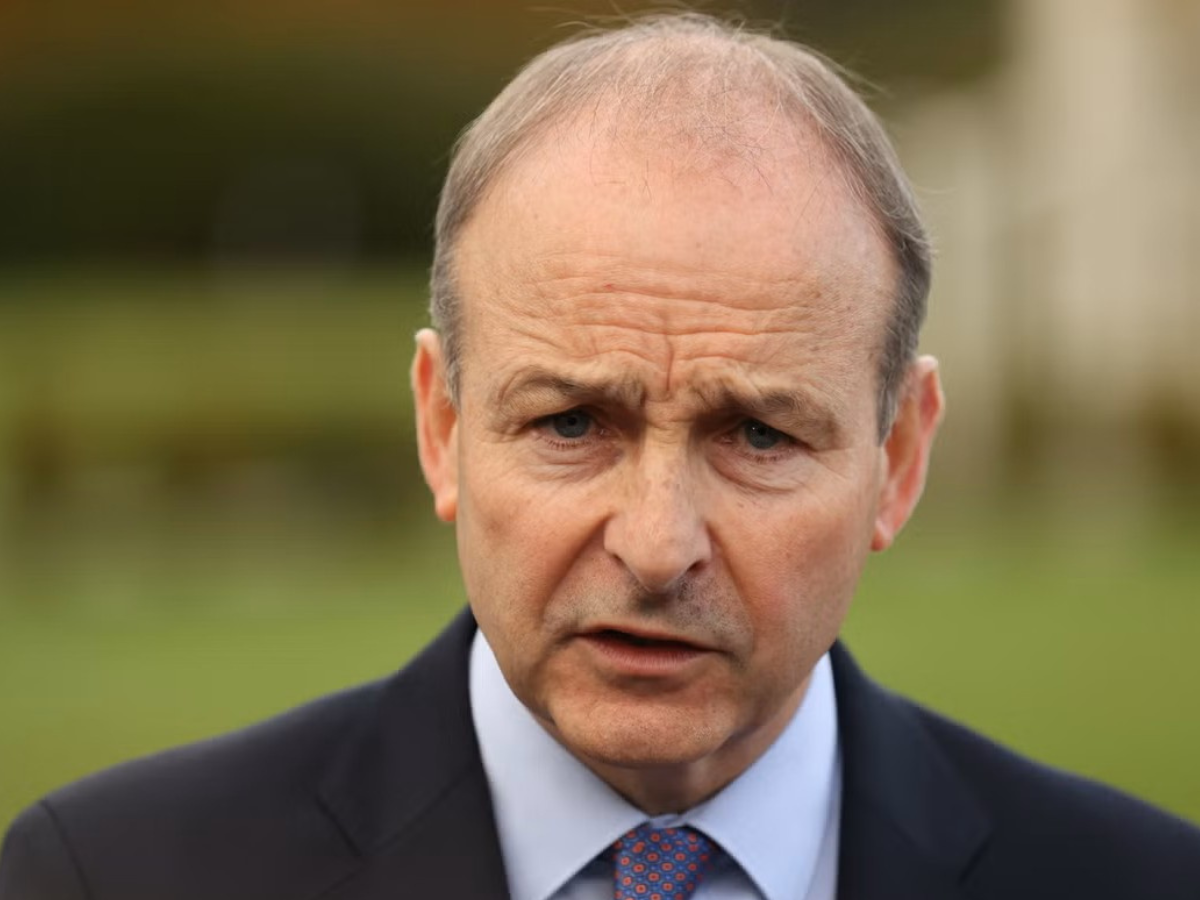

Irish Taoiseach Micheál Martin described the looming 30% US tariffs on EU exports as “not sustainable and tenable,” urging all parties to focus on negotiation over confrontation. His comments come as EU trade ministers meet in Brussels following a letter from President Donald Trump warning tariffs will begin August 1 without a new deal.
Speaking on Saturday, Martin acknowledged the EU has a range of countermeasures prepared but stated, “It doesn’t want to have to deploy them and would prefer a negotiated approach.”
Ireland has consistently backed a balanced and coordinated EU response, favoring diplomatic engagement while supporting the European Commission’s preparation of trade defense tools.
Trade ministers are currently reviewing retaliation options, which include tariffs on up to €72 billion worth of US goods.
The Taoiseach’s remarks align with statements from leaders across Europe who are pressing the US to allow more time for talks. Ireland is expected to support the Commission’s plan to delay immediate retaliation, in hopes of reaching a resolution before August.
Ireland cautions against escalating the trade conflict and supports EU countermeasures only as a last resort, reinforcing commitment to diplomacy.
Also Read: Italy Warns Against Transatlantic Trade War As Meloni Urges Continued EU-US Talks
Ankur Mishra is a journalist who covers an extensive range of news, from business, stock markets, IPOs to geopolitics, world affairs, international crises, and general news. With over a decade of experience in the business domain, Ankur has been associated with some of the reputed media brands. Through a sharp eye on global marketplaces along with deep insights and analysis of business strategies, Ankur brings simplicity to the complex economic matrix to decode market trends and empower people.
He is committed to entrenched data, facts, research, solutions, and a dedication to value-based journalism. He has covered trade tariff wars, international alliances, corporate policies, government initiatives, regulatory developments, along with micro- and macroeconomic shifts impacting global fiscal dynamics.




