
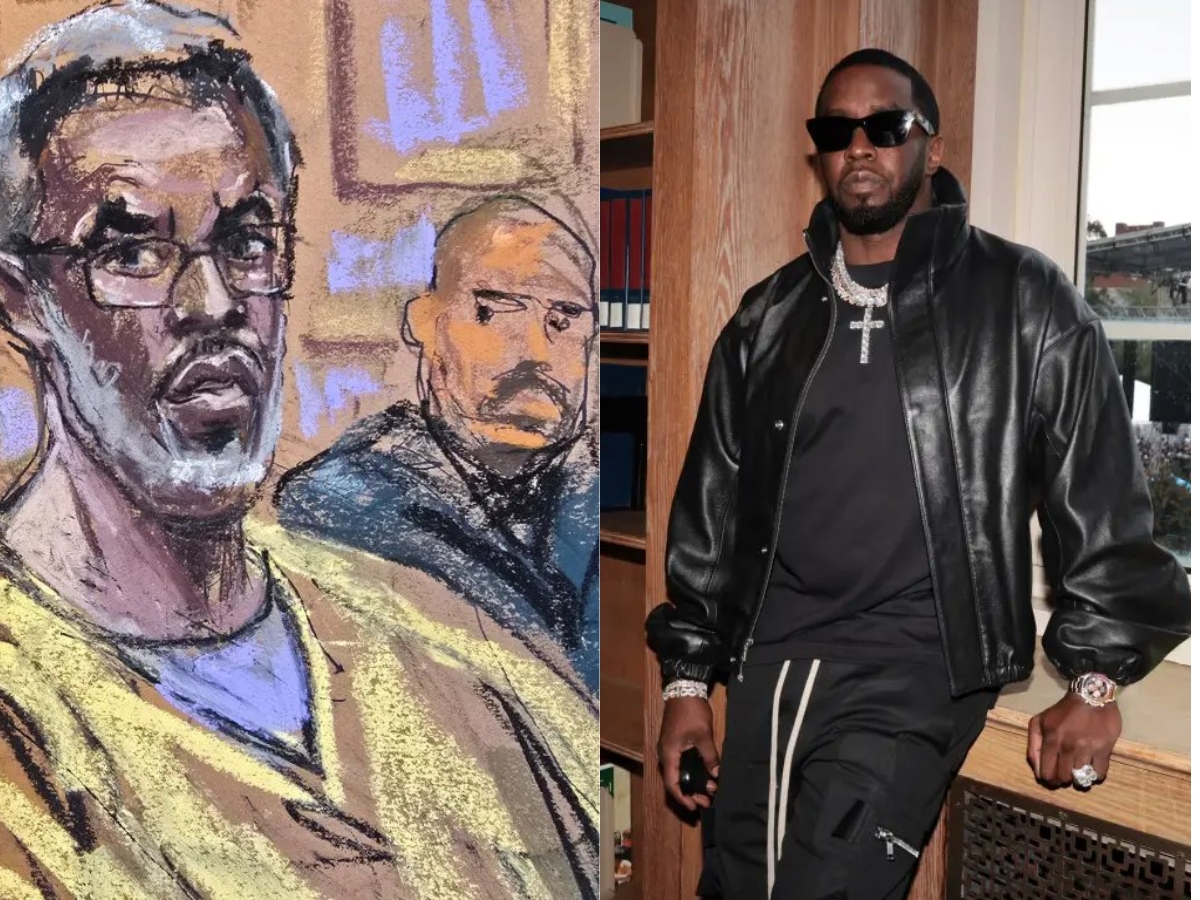

Judge Arun Subramanian has sentenced Sean Combs, also known as Diddy, to 50 months in prison – a term equivalent to four years and two months. The judge said the sentence reflects both the severity of Combs’ crimes and the mitigating factors presented during trial.
Combs was convicted on two counts of transportation to engage in prostitution.
Sean Combs Verdict: Judge Cites Abuse and Lasting Trauma
Before announcing the sentence, Judge Subramanian addressed Combs directly, acknowledging his achievements and influence but stressing the gravity of his actions.
The judge noted that Combs is a self-made artist who has contributed to charitable causes, uplifted the Black community, and maintains strong family ties. However, he rejected the defense’s argument that Combs’ relationships with Cassie Ventura and another woman, identified as Jane, were consensual.
“You abused them, physically, emotionally and psychologically,” the judge said, adding that both women endured thoughts of self-harm and trauma that will last a lifetime.
Also Read: Diddy Verdict: Sean “Diddy” Combs Breaks Down Crying As Children Make Emotional Plea For Leniency
Judge Arun Subramanian Grills Diddy During Sean Combs’ Verdict
He emphasized that Combs’ abusive conduct extended over more than a decade, sustained by his wealth and influence.
“You had the money and the power to keep it going,” Subramanian told him. “This was subjugation.”
Judge Subramanian described the evidence against Combs as “massive.” He pointed specifically to a video showing Combs beating Cassie Ventura in a hotel hallway and photos depicting “gashes and bruises.”
Calling the abuse “savage,” he said a significant prison term was necessary both as punishment and as a deterrent. “A message has to be sent,” he stated.
Criticism of Sean Combs’ Sentence as Too Lenient
Despite the 50-month sentence, critics argue the punishment is far too light given the broader allegations of serious crimes against Combs. The debate over accountability and sentencing continues to draw public attention.
Earlier, Combs made an emotional plea for mercy, describing his experiences behind bars as transformative but deeply scarring.
He spoke of inhumane prison conditions, drug threats, and even a broken washing machine, which he said compounded the suffering. Admitting to “brutal beatings,” drug use, and harming people he once claimed to protect, Combs insisted prison had “changed him forever.”
The music mogul credited a “spiritual reset” during his time in custody, promising to remain sober, live without violence, and strive to make the court “proud.”
Zubair Amin is a Senior Journalist at NewsX with over seven years of experience in reporting and editorial work. He has written for leading national and international publications, including Foreign Policy Magazine, Al Jazeera, The Economic Times, The Indian Express, The Wire, Article 14, Mongabay, News9, among others. His primary focus is on international affairs, with a strong interest in US politics and policy. He also writes on West Asia, Indian polity, and constitutional issues. Zubair tweets at zubaiyr.amin




