
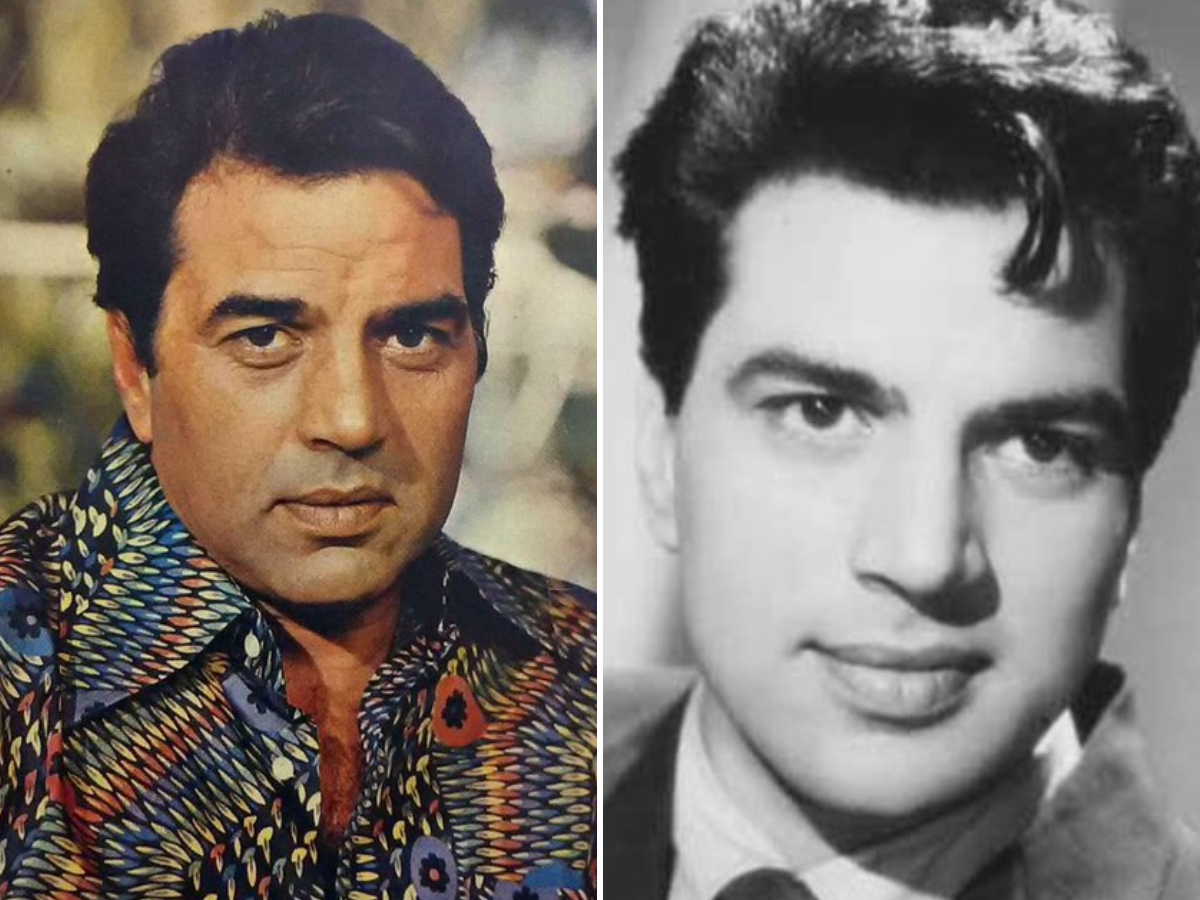

Dharmendra died on Monday, November 24, 2025, in Mumbai because of old age health problems. Being in the Breach Candy Hospital in South Mumbai, the veteran actor was initially hospitalized in the first week of November but was discharged after two weeks later showing signs of improvement.
He was recovering at his Juhu house but was allegedly put on a ventilator due to his breathing problems. Dharmendra died on Monday and was cremated at the Pawan Hans crematorium in Juhu, which is in Vile Parle.
Why did Dharmendra not receive the state honours?
According to the recent news, Dharmendra will not receive the state honours, and this move has surprised many, considering the tremendous contributions that Dharmendra has made to Indian cinema. He has been in the industry since his 1960 entry film Dil Bhi Tera Hum Bhi Tere, and was active in the film industry until his last film Ikkis was released in December 2025.
Throughout his career which lasted over six decades he took part in more than 300 movies. According to the sources, the Deol family did not take the state honours.
Funny enough, the most recent actor to receive a state funeral was the old veteran star Manoj Kumar who was interred with full state honours in Mumbai on April 5, 2025.
He was given a three-gun salute during his ceremony and his body was covered with the national flag. The award was given in recognition of his outstanding work to the Indian film industry, specifically his patriot performances that made him a Bharat Kumar.
How does one qualify for state honours?
The state funeral is a ritual honour that is given to great personalities who have contributed significantly to the nation. Such funerals will normally come with formalities such as military honours, gun salute, and covering the coffin/body with the national flag.
They are used to honour the achievements of the individual as well as to celebrate the sorrow that was experienced by the whole country.
The right to a state funeral is a combination of legal requirements, historic precedent, and the arbitrary decision-making powers of government officials. The government evaluates the height and input of the individual prior to arriving at a judgment.
The Chief Minister and in consultation with senior cabinet members and other important officials reviews the eligibility of the deceased. The level of public opinion and the influence of the individual in society is also relevant enough to make the final judgment.




