
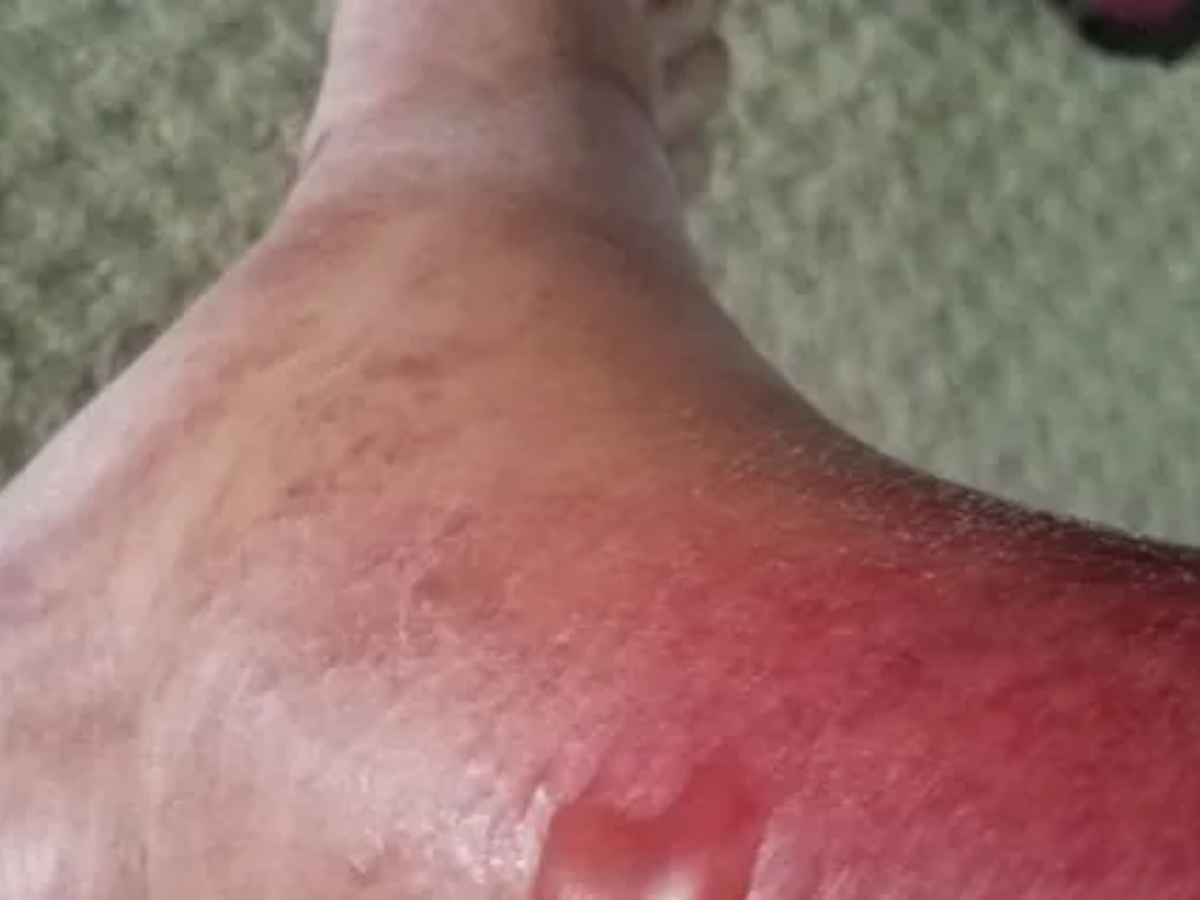

Florida just confirmed—on July 11, no less—that this gnarly bacterium called Vibrio vulnificus has already taken out four people this year and made at least seven others seriously sick. Wild, right? This little monster hangs out in warm salty or brackish water and loves to hide out in raw or half-cooked seafood.
Florida’s health department said these deaths happened in four different counties, which means it’s not just one unlucky spot. The experts are waving red flags about swimming at the beach or scarfing down shellfish, especially during the sticky summer months.
The CDC says we usually see something like 150–200 Vibrio cases a year, mostly in places like Florida along the Gulf. But thanks to climate change, these infections are starting to creep up the coast. If you’re healthy, you might just end up with an upset tummy. But if the bacteria get into your bloodstream or sneak into a cut, things can go south real fast.
We’re talking “one in five people dies, sometimes in just two days” fast. And in the worst cases? Doctors might have to chop off tissue or even amputate limbs. Not exactly the vacation souvenir you want.
How Does This Bacteria Spread?
Vibrio vulnificus, thrives in warm coastal water and multiplies when it gets toasty. Most folks get infected by swallowing gross water or letting it seep into a scrape or cut. And raw shellfish, especially oysters, are like a party bus for these bacteria.
After hurricanes, Florida always sees a spike in cases—floods push saltwater further inland, and suddenly it’s bacteria-palooza. For context: between 2016 and 2024, the state averaged 48 infections and 11 deaths a year. But after Hurricane Ian in 2022? Boom—74 cases, 17 deaths. Last year, after Hurricanes Helene and Milton crashed the party, there were 82 cases and 19 deaths. Yikes.
So, Why’s It Called “Flesh-Eating”?
Vibrio vulnificus doesn’t literally munch on your flesh, but it can destroy it. If it gets in through a wound, it can cause necrotizing fasciitis (which is as gross as it sounds)—the tissue around the infection just starts dying off. The bacteria can’t get through healthy skin, but any open cut is basically an open invitation. The infection spreads quickly, and if you don’t get it treated pronto, it can be deadly.
The CDC says symptoms are pretty classic food poisoning stuff: diarrhea, vomiting, stomach cramps, fever. But if the bacteria get into a wound, things get gnarly—swelling, weird skin colors, ulcers, and actual tissue damage. If it makes it into your bloodstream, you could be looking at septic shock and worse. People with weaker immune systems or liver problems? Yeah, they’re at way higher risk.
Must Read: Coca-Cola Will Now Use ‘Real Cane Sugar’ In US, And Donald Trump Claims Credit For This
Swastika Sruti is a Senior Sub Editor at NewsX Digital with 5 years of experience shaping stories that matter. She loves tracking politics- national and global trends, and never misses a chance to dig deeper into policies and developments. Passionate about what’s happening around us, she brings sharp insight and clarity to every piece she works on. When not curating news, she’s busy exploring what’s next in the world of public interest. You can reach her at [swastika.newsx@gmail.com]




