
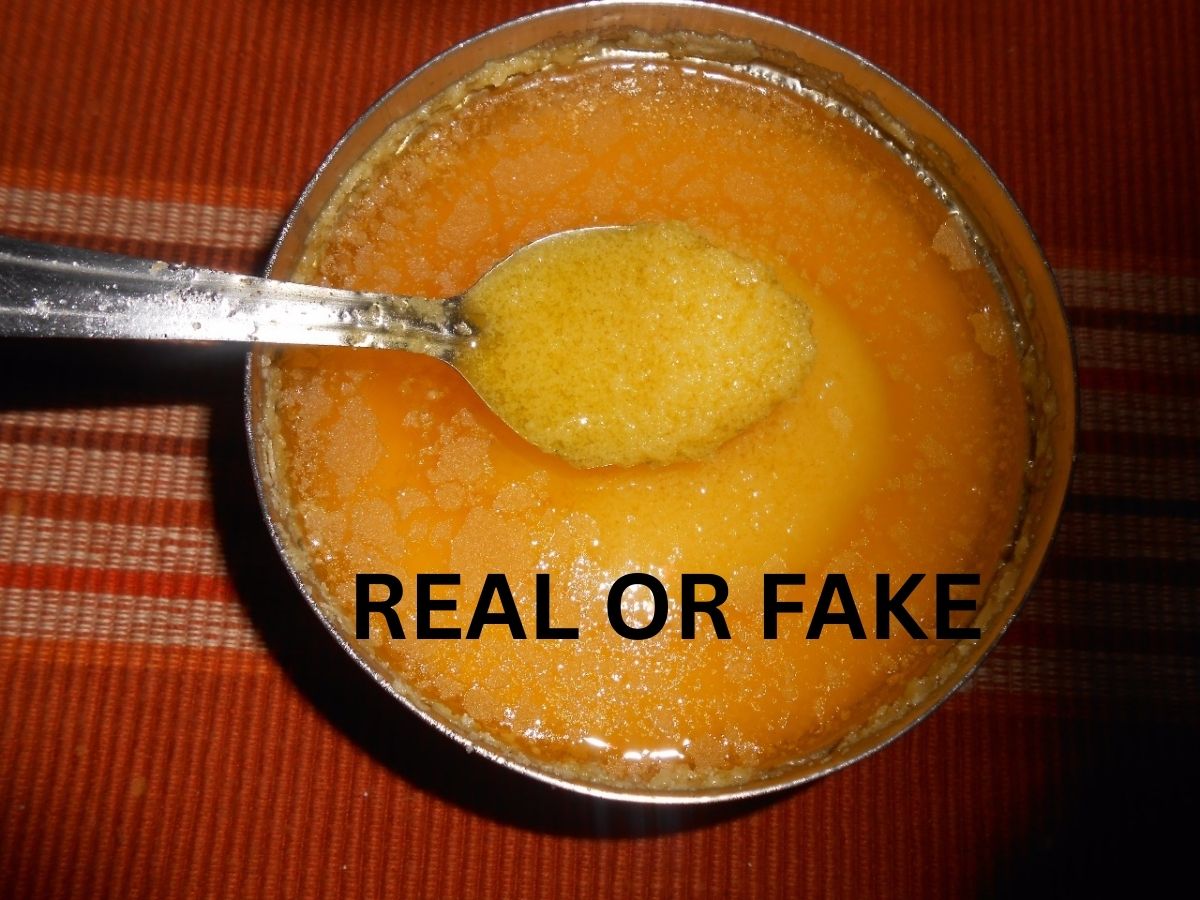

Ghee, also known as clarified butter, is a staple in Indian households and Ayurveda for its health benefits and rich flavor. But with growing adulteration in food products, ensuring the purity of ghee is crucial. Pure ghee offers digestive, nutritional, and medicinal advantages, while impure ghee can cause health issues. Here are some simple and effective ways to check if your ghee is pure.
Why Purity Of Ghee Matters
Pure ghee is packed with essential fatty acids, vitamins, and antioxidants. It boosts immunity, supports digestion, and enhances overall well being. However, adulterated ghee often contains vanaspati, starch, or artificial flavors that reduce its quality and harm health. Knowing how to test ghee ensures that you consume only authentic, nutrient rich ghee.
Simple Home Tests To Check Ghee Purity
1. The Melting Test-
Take a small spoonful of ghee and heat it in a pan. Pure ghee melts quickly and turns clear with a golden hue, while adulterated ghee leaves behind residue or turns darkish in color.
2. The Fragrance Test-
Pure ghee carries a rich, nutty aroma even when stored, while impure ghee often smells oily or rancid. The fragrance of pure ghee intensifies when slightly heated.
3. The Water Test-
Add a teaspoon of ghee to a glass of water. Pure ghee floats on the surface, whereas adulterated ghee may sink or dissolve unevenly.
4. The iodine Test-
Mix a small amount of ghee with iodine solution. If the mixture turns purple, it indicates the presence of starch, which is a common adulterant. Pure ghee will not react.
5. The Palm Test-
Take a little ghee on your palm and rub it. Pure ghee melts easily with body heat, whereas adulterated ghee feels greasy and sticky.
Signs Of Pure Ghee In Daily Use
Apart from tests, everyday observations also help. Pure ghee solidifies in winter and liquefies in summer naturally. It has a golden yellow color, grainy texture, and leaves a soothing after waste when consumed.
Conclusion
Checking ghee purity is simple and can be done at home without advanced tools. By performing these tests—melting, aroma, water, iodine, and palm—you can ensure that the ghee you use is free from adulteration. Pure ghee is not just an ingredient; it is a source of health, energy, and tradition. So next time you buy ghee, test it and enjoy the goodness of authentic purity.




