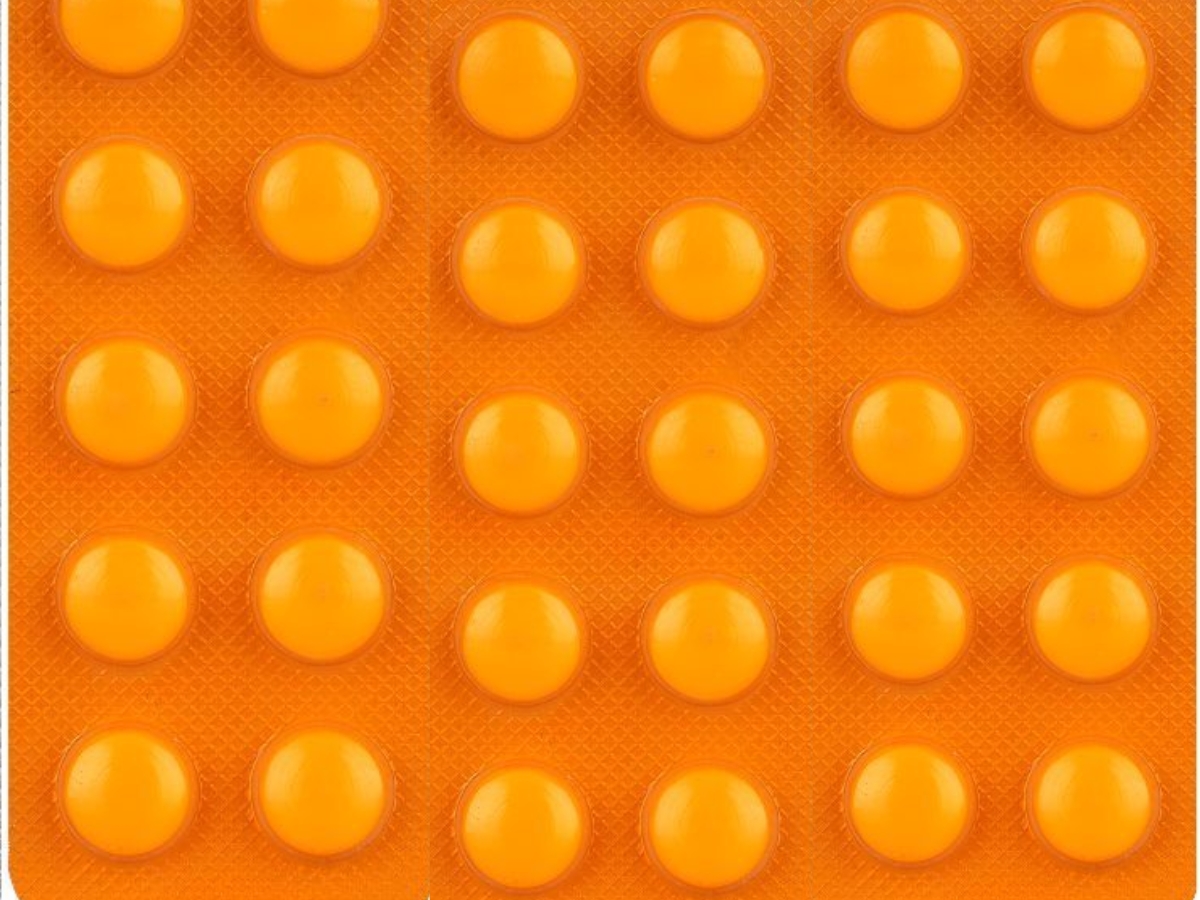

Nimesulide Ban: The Union Health Ministry has prohibited the manufacture, sale and distribution of all oral formulations of the painkiller nimesulide containing doses above 100 milligrams (mg) for human use, citing serious health risks linked to the drug.
The government stepped up after a recommendation by the Indian Council of Medical Research (ICMR), which raised concerns that nimesulide could cause liver damage that may become life-threatening in certain patients.
A government notification was issued on December 30 announcing the ban.
“The Central Government is satisfied that it is necessary and expedient in the public interest to prohibit the manufacture, sale and distribution of the said drug in the country for human use,” the order said.
Nimesulide Use: Existing Restrictions Among Children, New Worries In Adults
India had already banned the use of nimesulide in children below the age of 12 after reports of severe hepatotoxicity were recorded in young patients, both globally and domestically. India further restricted the use of the drug in February 2025 when it was banned for veterinary purposes.
drug’s safety profile.
According to the ICMR report, nimesulide demonstrates a poor safety profile even in adults. The report recommended that the drug be reserved strictly as a second-line treatment and prescribed only after first-line therapies have been tried and found ineffective.
DTAB Review on Nimesulide Use
While some experts favoured an all-India ban on nimesulide, the Drug Technical Advisory Board (DTAB), which functions under India’s apex drug regulator, in April, opted for further evaluation before taking a final call.
The DTAB directed the ICMR to conduct a systematic review of nimesulide use across three vulnerable groups – children under 12 years, adolescents aged 12–18, and individuals aged 60 and above.
Also Read: Omega-3 Deficiency: The Health Risks You Shouldn’t Ignore
According to the minutes of the DTAB’s 92nd meeting held in April 2025, “The DTAB opined that nimesulide is one of the effective drugs for reducing fever and used for short-term treatment.”
However, the board agreed that all oral immediate-release formulations of nimesulide exceeding 100 mg, such as tablets, should be prohibited, a recommendation that has now been enforced by the Health Ministry.
History of Nimesulide Use And Restrictions
Nimesulide was first launched in Italy in 1985.
It is a non-steroidal anti-inflammatory drug (NSAID) known for its analgesic and antipyretic properties. It has been widely used in India and is sold under multiple brand names.
The European Medicines Agency (EMA) restricted the drug’s use in 2002, limiting it to adults only. Since then, several countries, including the United Kingdom, the United States, Canada, Australia, Singapore and Japan, have either banned nimesulide outright or imposed strict usage guidelines for both human and veterinary applications.
Currently, India and Pakistan remain the only countries where nimesulide is available for consumption by adults and the elderly.
Nimesulide Market Size
India approved nimesulide in 1995. In 2011. The drug continues to have a significant commercial presence. Estimates suggest that nimesulide has amarket size of around Rs 500 crore on a moving annual turnover (MAT) basis.
“Even though nimesulide is a Schedule H prescription medicine, it is available as an OTC medicine in India,” the ICMR report stated.
Also Read: Collagen Benefits: Why Your Body Needs It
Zubair Amin is a Senior Journalist at NewsX with over seven years of experience in reporting and editorial work. He has written for leading national and international publications, including Foreign Policy Magazine, Al Jazeera, The Economic Times, The Indian Express, The Wire, Article 14, Mongabay, News9, among others. His primary focus is on international affairs, with a strong interest in US politics and policy. He also writes on West Asia, Indian polity, and constitutional issues. Zubair tweets at zubaiyr.amin