
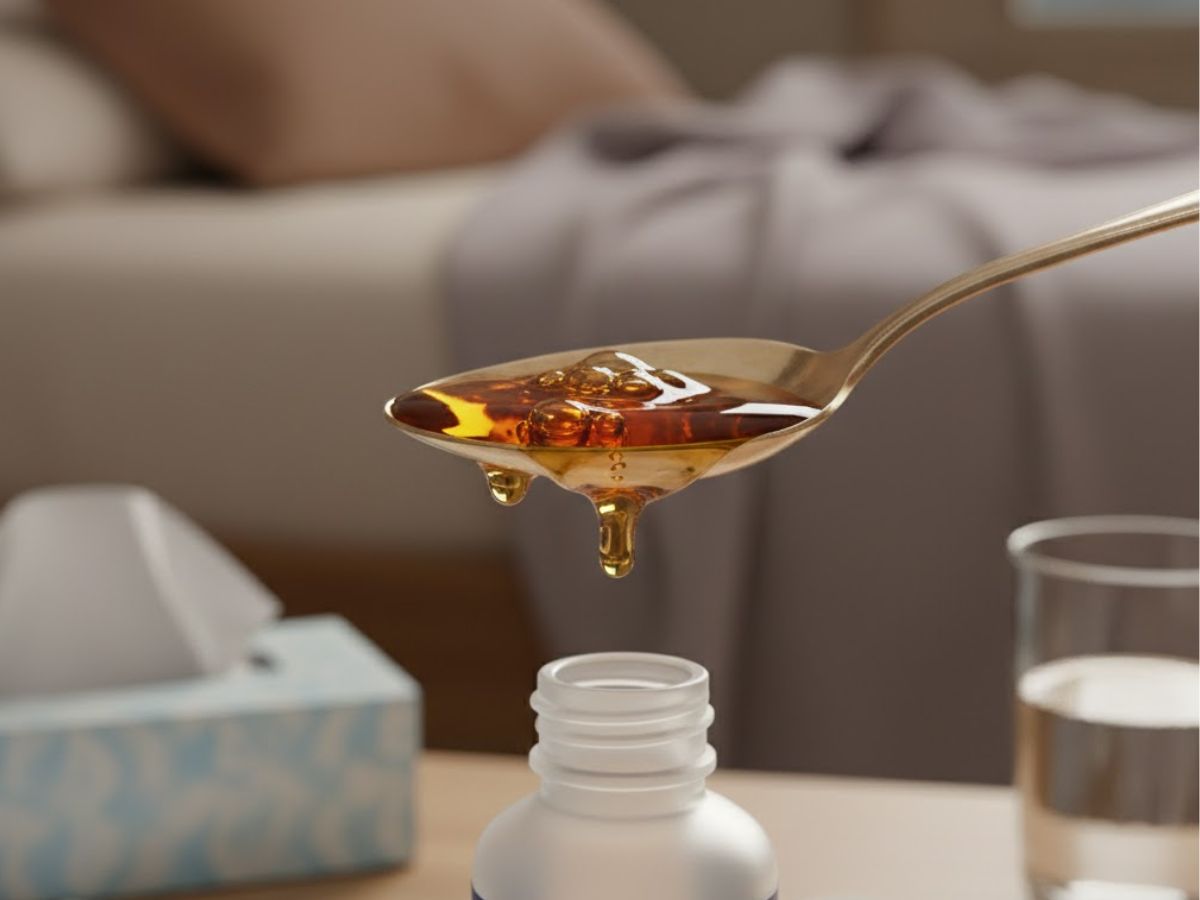

In a stunning development, following the discovery of three contaminated cough syrups manufactured in India, the World Health Organization (WHO) has raised a global alert, to the effect that the contaminated cough syrups pose “significant and, in some cases, life-threatening risks” to patients. Reports from Indian states of Madhya Pradesh and Rajasthan say that several child deaths may have been linked to the consumption of one of the toxic syrups, raising serious concerns as to the quality control of certain segments of the pharmaceutical supply chain.
Diethylene Glycol Contamination Crisis
The major common point for all the three drugs under review is contamination with diethylene glycol (DEG), an industrial solvent for use in toxic forms. DEG, along with its relative ethylene glycol (EG), is poisonous to human beings even in small concentrations and can lead to acute injury of the kidneys, damage to the nervous system, and eventually death. Some affected-
The three contaminated oral liquid medicines contained in the WHO’s Medical Product Alert are:
Coldrif (Manufactured by Sresan Pharmaceutical)
Respifresh TR (Manufactured by Rednex Pharmaceuticals)
ReLife (Manufactured by Shape Pharma)
In the wake of the unfortunate spate of child deaths, specifically less than five years old, India’s Central Drugs Standard Control Organization (CDSCO) was formally notified. Immediately, the relevant local authorities ordered the cessation of all production at the implicated sites and initiated the product recall for all batches affected. The owner of one of the affected manufacturing companies has also been arrested.
Supply Chain Surveillance and Global Risk
The CDSCO has informed WHO that there is no evidence to suggest that the particular contaminated batches were exported from India; caution, therefore, is urged. The WHO advisory warns of the risk of these substandard products entering other countries through uncontrolled distribution routes; hence, the call for global improvement in market surveillance.
They are suggesting that the National Regulatory Authorities (NRAs) implement a stricter vigilance over their supply chains and should focus on these products. It is also recommended that all oral liquid medicines from these facilities be assessed carefully, especially those manufactured since late 2024. More is being placed under scrutiny regarding the conduct of the manufacturing process and the need for stricter compliance with the Good Manufacturing Practices and testing of raw materials on a batch basis so as to avert reoccurrence of such an avoidable catastrophe in drug safety.
Also Read: Is Cough Syrup Safe For Kids Under 7? FDA Warnings And Doctor Advice Every Parent Must Know
A recent media graduate, Bhumi Vashisht is currently making a significant contribution as a committed content writer. She brings new ideas to the media sector and is an expert at creating strategic content and captivating tales, having working in the field from past four months.




