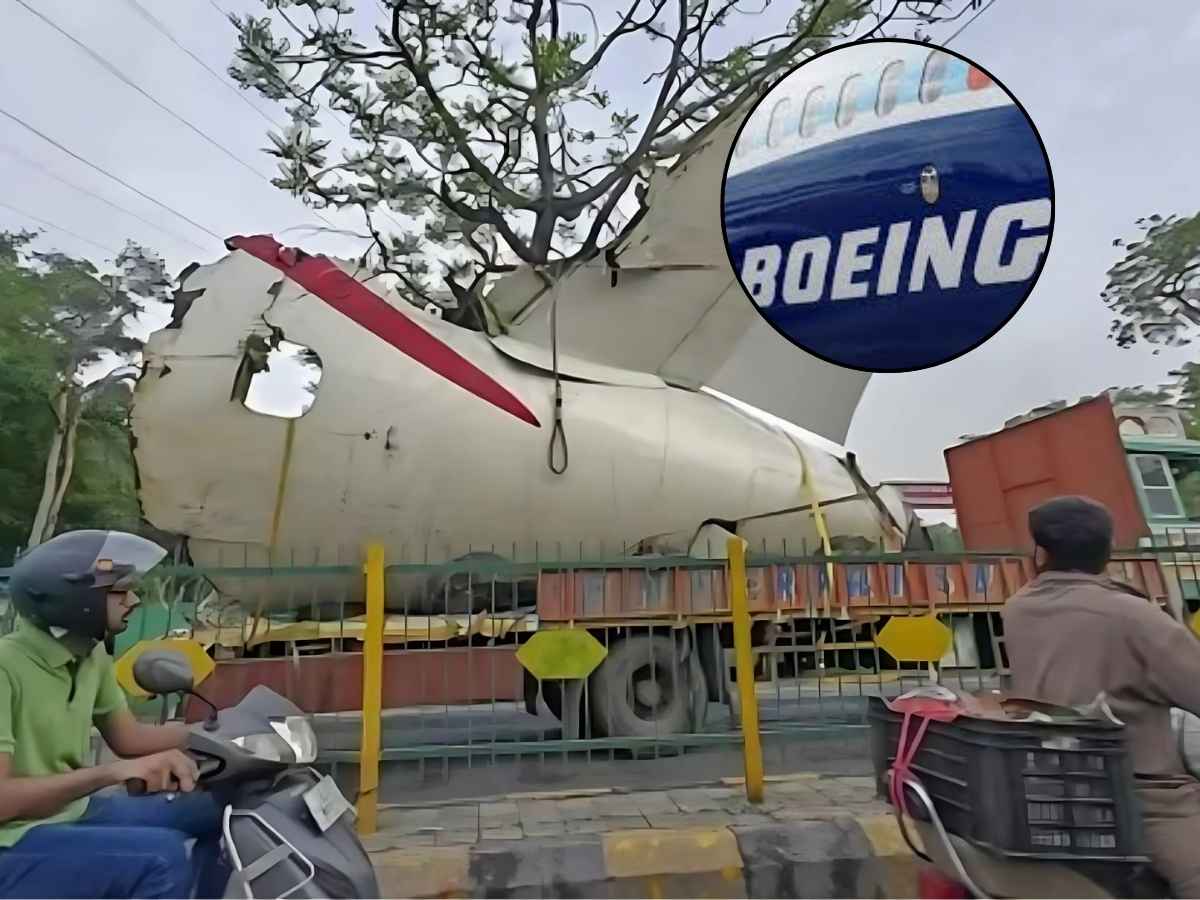

Just four weeks before the deadly crash of an Air India Boeing 787-8 Dreamliner after takeoff from Ahmedabad, the UK Civil Aviation Authority (CAA) had flagged serious concerns about the aircraft’s fuel shutoff valve actuators, raising fresh questions about potential links between the warning and the incident.
On May 15, the UK aviation regulator issued a safety notice to operators of five Boeing aircraft models, including the 787 Dreamliner. The notice urged a review of a US Federal Aviation Administration (FAA) Airworthiness Directive, which had identified a possible issue with fuel shutoff valves, stating that these components could present an unsafe condition.
The FAA’s directive named aircraft models B737, B757, B767, B777, and B787 as potentially affected. These valves are critical safety devices designed to stop fuel flow to engines, especially in emergencies like engine fires or forced landings.
In response, the UK CAA mandated daily inspections for impacted aircraft and required operators to either test, inspect, or replace faulty components and document compliance.
The issue gained renewed attention after India’s Aircraft Accident Investigation Bureau (AAIB) released its preliminary report on the Air India crash. The report found that fuel control switches, which regulate fuel supply to the engines, had moved to the “CUTOFF” position unexpectedly just after takeoff—causing both engines to shut down.
The FAA, however, issued a clarification on July 11, stating that the design of the fuel control switches did not pose any safety risk. Boeing echoed this view and issued guidance to airlines globally, reiterating that the system is safe.
Still, the timing of the UK’s warning and the crash has sparked scrutiny. According to the report, Air India had replaced the Throttle Control Module (TCM)—the component housing the fuel control switches—twice, in 2019 and 2023, as part of regular maintenance guided by Boeing’s recommendations.
However, the AAIB report also revealed that Air India had not followed a 2018 FAA advisory, which recommended inspecting the locking mechanism of the fuel control switches. The airline maintained that since the advisory was not mandatory, the inspections were not carried out.
In an internal message, Air India CEO Campbell Wilson responded to the report, saying that the investigation had “identified no cause nor made any recommendations.” He also urged staff and stakeholders not to jump to conclusions about responsibility for the crash.
As investigations continue, the sequence of regulatory warnings and technical failures has reignited global debate on Boeing’s aircraft safety protocols and the responsiveness of airlines to non-mandatory advisories. Whether the incident was a tragic coincidence or linked to ignored warnings remains to be determined.
ALSO READ: Rahul Gandhi Calls Balasore Student’s Death ‘Organised Murder’ By BJP’s System