
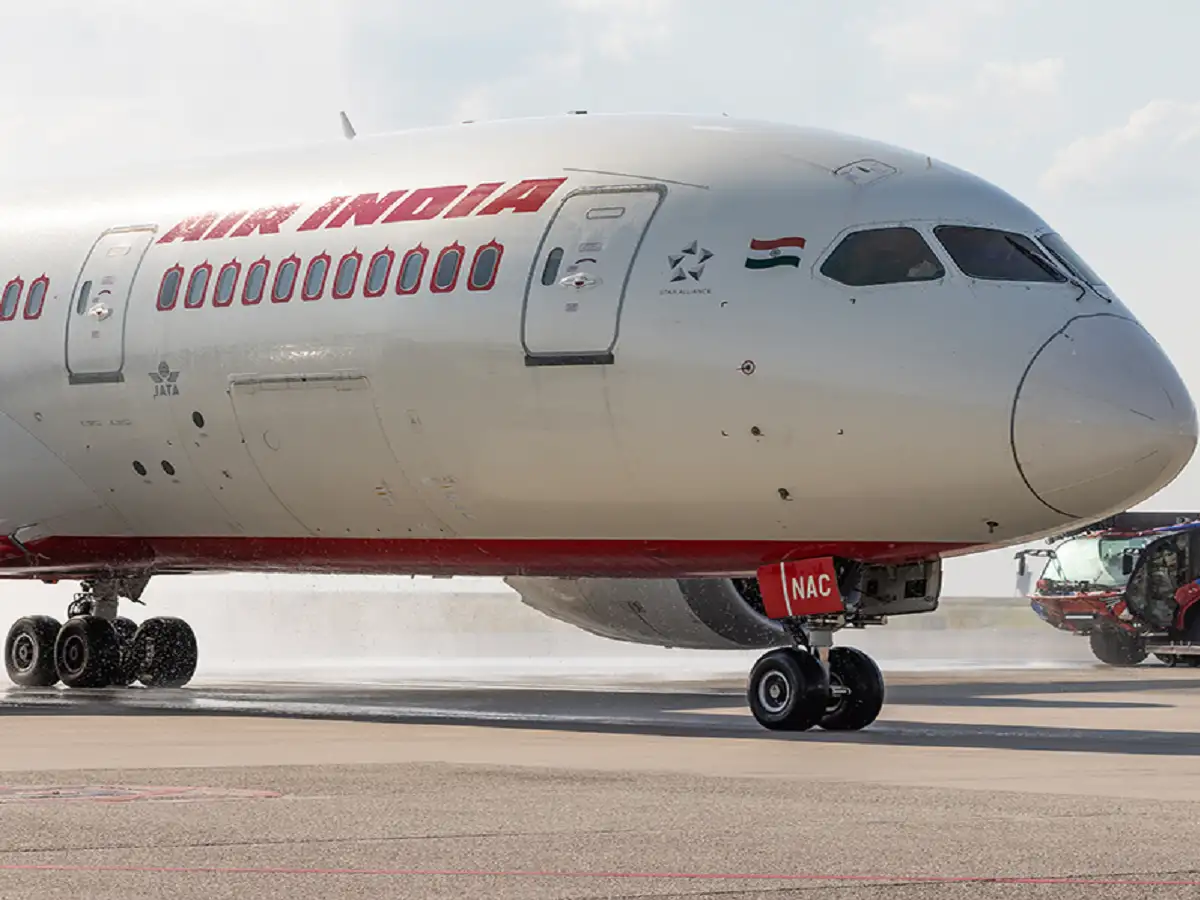

Air India’s Boeing 787 Dreamliner fleet has once again come under intense scrutiny after two serious mid air technical incidents within a single week. The recent events have reignited concerns about aircraft safety maintenance standards and regulatory oversight in India’s rapidly expanding aviation sector.
The first incident occurred on 4th October when Air India’s Amritsar – Birmingham flight (AI-117) faced a sudden technical anomaly mid air. The aircraft’s Ram Air Turbine (RAT) that is a small emergency power generating device that deployed automatically without any pilot command. Although the flight landed safely in Birmingham and all passengers were unharmed the uncommanded RAT deployment pointed to possible electrical system issues within the aircraft.
Just a few days after the first incident on October 9 another troubling episode unfolded aboard Air India’s Boeing 787 flight AI 154 operating from Vienna to Delhi. Midway through its journey the aircraft experienced multiple technical failures that is including the malfunction of its autopilot and flight control systems that forced pilots to divert the flight to Dubai as a safety precaution. Thankfully the aircraft landed without incident but the episode deepened concerns within the aviation community about recurring issues in Air India’s Dreamliner fleet.
The twin scares prompted the Federation of Indian Pilots (FIP) which represents around 5000 commercial pilots in the country to raise an alarm. In a letter addressed to the Directorate General of Civil Aviation (DGCA) the federation called for Air India’s entire Boeing 787 fleet to be temporarily grounded until a full scale technical inspection is completed. FIP President Captain C.S. Randhawa stated that the appeal is rooted in genuine safety concerns following a pattern of electrical and maintenance related malfunctions.
Captain Randhawa also pointed to a worrying trend that a spike in technical snags reportedly observed after newer engineers began overseeing maintenance operations. According to him this could suggest lapses in training standards, inadequate experience or insufficient quality control measures all of which demand urgent attention.
The repeated technical troubles coming so close together have reignited the debate on whether systemic flaws in maintenance and oversight are undermining the reliability of India’s Dreamliner operations.
Responding to the growing concern the DGCA has sought a detailed report from Boeing on global occurrences of similar RAT or electrical system issues. The aviation regulator has also asked for information on Service Difficulty Reports (SDRs) and the performance of Power Control Modules (PCM) is a component believed to be linked to the recent incidents.
While Air India maintains that passenger safety remains its top priority the pilots body insists that a full fleet audit is the only way to restore confidence among both crew and passengers.
As the DGCA and Boeing prepare their reports one pressing question remains which are these merely isolated technical glitches or do they reveal a deeper systemic issue within Air India’s Dreamliner operations? The answer could shape the future of the airline’s safety culture and its passengers trust in India’s skies.
Swastika Sruti is a Senior Sub Editor at NewsX Digital with 5 years of experience shaping stories that matter. She loves tracking politics- national and global trends, and never misses a chance to dig deeper into policies and developments. Passionate about what’s happening around us, she brings sharp insight and clarity to every piece she works on. When not curating news, she’s busy exploring what’s next in the world of public interest. You can reach her at [swastika.newsx@gmail.com]




