
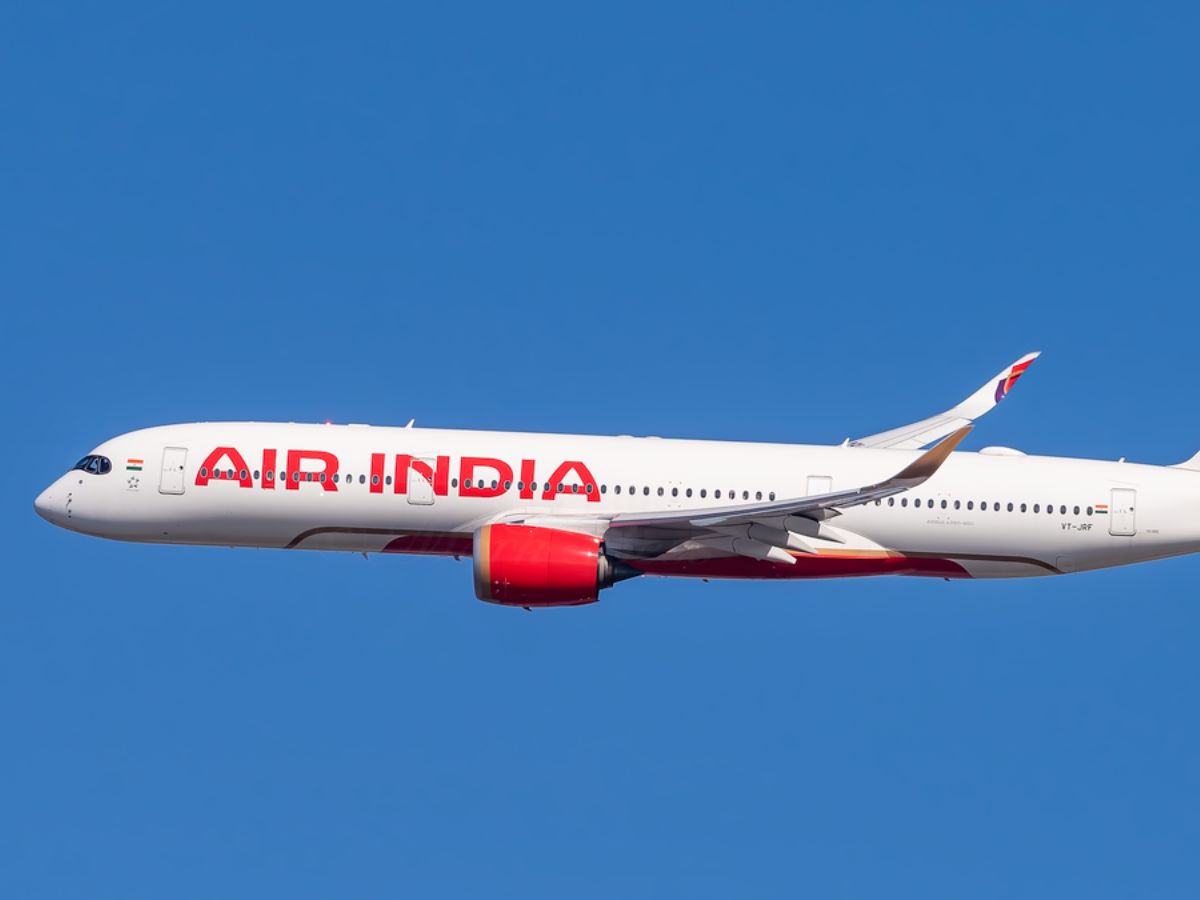

An Air India flight, AI117, made a safe landing at Birmingham Airport on Saturday soon after an emergency system was triggered during its approach. The Boeing 787, en route from Amritsar to Birmingham, had its ram air turbine (RAT) deployed, a system used in the case of engine failure or any other critical hydraulic issues.
What Happened During the Flight?
The alarm was soon triggered just before 19:00 BST, initiated the process to activate RAT, a small propeller that covers from the aircraft’s underside. The RAT acts as an emergency backup generator, giving power to essential flight systems if both engines fail or if hydraulic pressure drops less than safe level. In spite of the deployment of RAT, Air India make it sure that all electrical and hydraulic parameters were in normal condition, and the aircraft was able to land safely.
Impact on Flight Operations
Subsequent to the incident, the aircraft was stuck for further checks, and its onward journey was cancelled. As a result, Air India declared the cancellation of flight AI114 from Birmingham to Delhi, with other substitute made for passengers. The airline highlighted that the safety of passengers and crew continued to be its top priority.
The RAT System Explained
RAT, on modern aircraft like the Boeing 787 plays a critical role for the safety of the airplane. It safeguards the plane to maintain essential functions in case of emergency.
However, its deployment is a vital precautionary measure against any possible failures. In a previous event in June, a similar RAT activation happened on another Air India Boeing 787, but it did not indicate any immediate danger.
Also Read: UK Carrier Strike Group Strengthens Partnership With India Through Exercise Konkan And Port Visits
Ankur Mishra is a journalist who covers an extensive range of news, from business, stock markets, IPOs to geopolitics, world affairs, international crises, and general news. With over a decade of experience in the business domain, Ankur has been associated with some of the reputed media brands. Through a sharp eye on global marketplaces along with deep insights and analysis of business strategies, Ankur brings simplicity to the complex economic matrix to decode market trends and empower people.
He is committed to entrenched data, facts, research, solutions, and a dedication to value-based journalism. He has covered trade tariff wars, international alliances, corporate policies, government initiatives, regulatory developments, along with micro- and macroeconomic shifts impacting global fiscal dynamics.




