
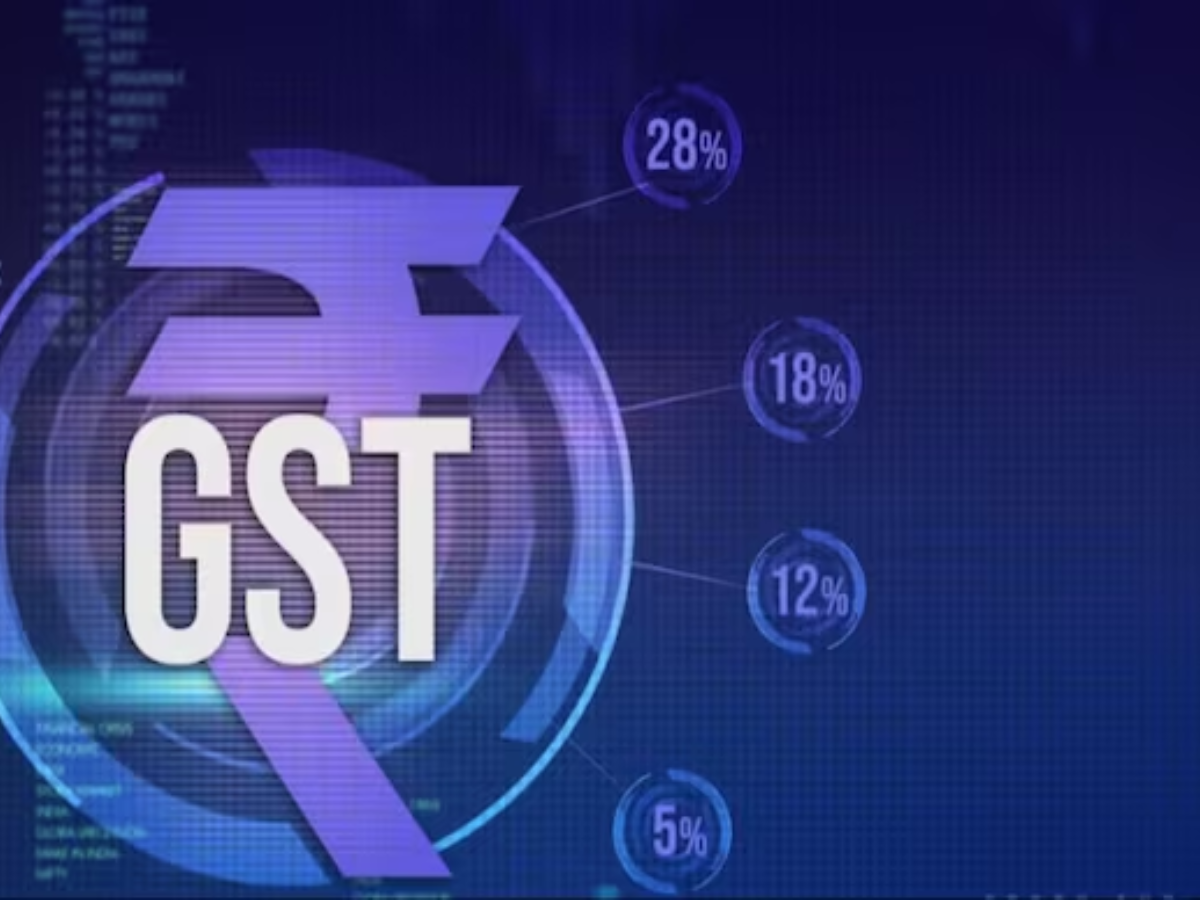

The 56th GST Council meeting, chaired by Finance Minister Nirmala Sitharaman, introduced the seven pillars of Next-Gen GST reforms. The Council said these pillars will guide India’s economic future by making GST simpler, fairer, and more growth-oriented.
Officials emphasised that GST 2.0 will continue to evolve as a citizen- and business-friendly system. The reforms aim to strengthen Bharat’s economy by focusing on ease of living, ease of doing business, and balanced revenue growth across states.
The meeting underlined that the reforms will drive stability while ensuring long-term benefits for families, businesses, and industries.
The 56th GST Council Meeting, chaired by Union Minister Smt. Nirmala Sitharaman, has laid out the 7 pillars of Next-Gen GST reforms that will shape India’s economic future.
The outcomes highlight how GST continues to evolve into a citizen- and business-friendly system, driving… pic.twitter.com/qwAvI1yNRp
— MyGovIndia (@mygovindia) September 3, 2025
Pillar One: Building on GST’s Success
The Council highlighted that GST unified India’s indirect tax system under “One Nation, One Tax.” Officials said the reform expanded the taxpayer base and ensured stable revenues. GST 2.0 will simplify processes with a two-tier structure.
The meeting noted that by cutting down complexities, the tax system will support both businesses and consumers. The Council added that this transformation ensures that GST remains dynamic and responsive to India’s growing economy. Officials stated that the next stage of reforms will improve compliance while keeping the system efficient and transparent.
Pillar Two: Rationalising Rates for Fairer Taxation
The GST Council announced a shift to a simpler two-tier system with 5% and 18% slabs. Officials said this change will reduce classification disputes and ensure smoother duty structures across sectors.
The new system will also enable faster refunds, which will improve liquidity for businesses. By reducing complexity in tax rates, the Council stated that industries can focus more on production and growth. Officials noted that fairer taxation will ensure both consumers and businesses benefit equally from GST rationalisation. This reform aims to simplify indirect taxation and reduce long-standing disputes on classification.
Pillar Three: Technology to Simplify Compliance
The Council said GST reforms will simplify compliance through the use of advanced technology. Small and low-risk businesses can now obtain registration within three days, ensuring faster entry into the tax system. Exporters will receive 90% upfront provisional refunds, easing liquidity pressure.
The meeting also stressed that end-to-end digital compliance will include e-invoicing and AI-driven risk detection.
Officials said these changes will not only improve transparency but also make compliance easier for businesses. The digital-first approach aims to reduce paperwork, speed up processes, and promote accountability across the GST ecosystem.
Pillar Four: Consumers at the Centre of Reforms
The Council said consumers remain central to GST reforms. Essentials will remain in the 0–5% bracket, reducing the tax burden on daily necessities. High-value items like cars and appliances will move from the 28% slab to 18%, making them more affordable.
Officials said these measures ensure families can access daily needs at lower costs while also fulfilling aspirations. The reforms aim to balance affordability with growth by reducing the tax load on essential and lifestyle products.
The Council said GST 2.0 will make both daily living and future aspirations more achievable for citizens.
Pillar Five: Strengthening MSMEs and Manufacturing
The GST Council said the reforms will directly support micro, small, and medium enterprises (MSMEs) along with domestic manufacturers.
By fixing inverted duty structures, the Council aims to ensure smoother cash flows. Officials noted that simpler rates will support the Make in India initiative and promote industrial growth.
Faster refunds and easier rules will allow small businesses to expand without heavy compliance burdens. The meeting highlighted that empowering MSMEs is critical for job creation, exports, and balanced economic development. Officials said these reforms will make India’s manufacturing sector more competitive in global and domestic markets.
Pillar Six: States as Equal Growth Partners
The Council underlined that stronger states will lead to a stronger Bharat. Officials said sustainable revenue growth across states will support fiscal federalism. Rationalised rates are expected to boost demand, leading to higher consumption.
The Council said balanced tax structures will benefit states by expanding their tax base without harming growth. This approach ensures that states remain empowered to contribute to India’s overall economic journey.
Pillar Seven: Boosting Savings and Growth
The GST Council said reduced tax rates will increase household savings, raising purchasing power. Officials noted that as families buy more, demand will rise, boosting industries and services. Cheaper cars, appliances, and electronics will encourage higher consumption, which will in turn fuel growth across multiple sectors.
The Council said this cycle of lower taxes, higher savings, and greater demand will strengthen India’s economy.
Swastika Sruti is a Senior Sub Editor at NewsX Digital with 5 years of experience shaping stories that matter. She loves tracking politics- national and global trends, and never misses a chance to dig deeper into policies and developments. Passionate about what’s happening around us, she brings sharp insight and clarity to every piece she works on. When not curating news, she’s busy exploring what’s next in the world of public interest. You can reach her at [swastika.newsx@gmail.com]




