
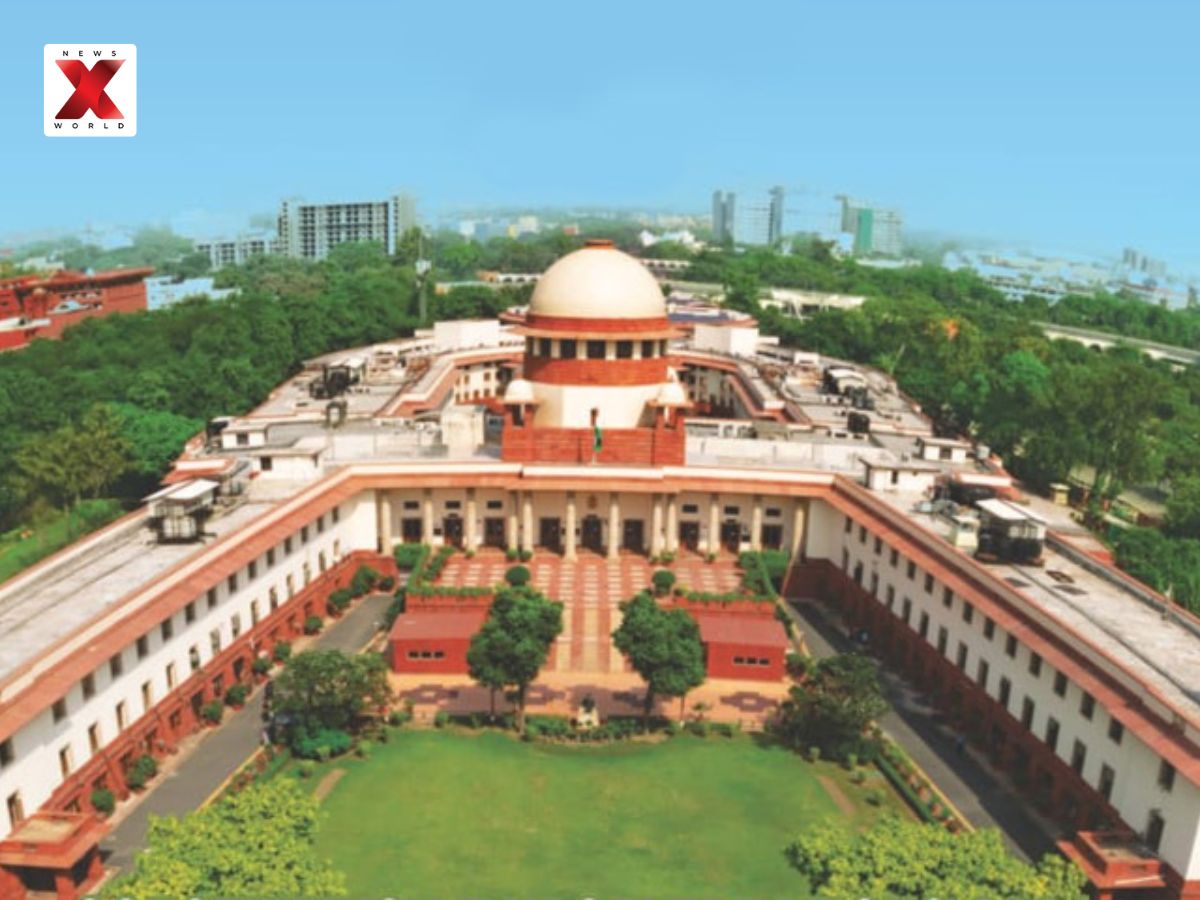

The Supreme Court on March 24 upheld the Andhra Pradesh High Court’s ruling, stating that a person who converts to Christianity and continues to practice the faith cannot be considered a member of the Scheduled Caste community.
The court further clarified that Scheduled Caste status is limited to those professing Hinduism, Sikhism, or Buddhism, and that conversion to any other religion leads to an immediate and complete loss of SC status.
Supreme Court Rules Conversion to Christianity Ends SC Status
A bench comprising Justices PK Mishra and NV Anjaria held that a Dalit who converts to Christianity cannot seek protection under the Scheduled Castes and Scheduled Tribes (Prevention of Atrocities) Act. The verdict came while hearing an appeal by pastor Chinthada Anand, who had challenged a May 2025 Andhra Pradesh High Court ruling, claiming he was subjected to caste-based discrimination and abuse.
The Supreme Court observed that the Constitution (Scheduled Castes) Order, 1950, clearly lays down this position, stating that the restriction is absolute. It clarified that conversion to any religion not mentioned under Clause 3 of the 1050 Order leads to an immediate loss of Scheduled Caste status, irrespective of one’s birth.
The court further stated that.”No statutory benefit, protection, reservation or entitlement under the Constitution or enactment of Parliament or state legislature can be claimed by or extended to any person who, by operation of clause 3, is not deemed to be a member of the Scheduled Caste. This bar is absolute and admits no exception. A person can’t simultaneously profess and practice a religion other than the one specified in clause 3 and claim membership of the Scheduled caste.”
Can a Converted Christian Claim SC Status or SC/ST Act Protection?
The Supreme Court underscored that individuals who are not recognised as Scheduled Castes under Clause 3 of the Constitution (Scheduled Castes) Order, 1950, cannot claim any statutory benefits, protections, or reservations. The court stressed that this restriction is absolute, and a person cannot follow a religion outside the specified categories while also seeking SC status.
In the pastor Chinthada Anand case, the petitioner argues that the FIR registered under the SC/ST Act was legally invalid since the complainant had converted to Christianity and was working as a pastor, and therefore could not be considered a member of the Scheduled Caste community. The petitioner pointed out that the 1950 Order clearly excludes individuals professing religions other than Hinduism, Sikhism, or Buddhism from SC status.
Addressing the issue of the complaint still holding a Scheduled Caste certificate, the Court said that its validity must be examined by the competent authority under the relevant state law. It clarified that simply possessing an uncancelled caste certificate does not grant eligibility for protection under the SC/ST Act after conversion.
What Changes For Christians After Supreme Court Ruling on SC Status?
The Supreme Court’s ruling does not affect Christianity as a religion, but it has specific legal implications for individuals who convert from SC backgrounds to Christianity. Here’s what changes:
Once a person converts to Christianity, they are no longer recognised as a Scheduled Caste under the Constitution (SC Order,1950).
They cannot seek protection under the SC/ST (Prevention of Atrocities) Act, even if they face discrimination linked to their caste background.
All SC-based reservations in jobs, education, and promotions are no longer applicable after conversion.
Even if someone still holds an SC certificate, it does not grant benefits after conversion. Its validity must be reviewed by the authorities.
SC status can only be restored if a person reconverts to Hinduism, Sikhism, or Buddhism and is accepted back into the community.
What Is SC/ST Act Protection?
SC/ST Act Protection refers to legal safeguards provided under the Scheduled Castes and Scheduled Tribes (Prevention of Atrocities) Act, 1989. The main aim of this law is to protect people from SC and ST from discrimination, violence, and exploitation.
The law makes it a serious crime to abuse someone using caste-based slurs, physically attack or harm them, socially boycott or humiliate them, and force them into degrading or bonded labour.
Offenders can face strict punishments under this act, including non-bailable in many cases, punishment with imprisonment and fines, and fine-trial in special courts.
Manisha Chauhan is a passionate journalist with 3 years of experience in the media industry, covering everything from trending entertainment buzz and celebrity spotlights to thought-provoking book reviews and practical health tips. Known for blending fresh perspectives with reader-friendly writing, she creates content that informs, entertains, and inspires. When she’s not chasing the next viral story, you’ll find her diving into a good book or exploring new wellness trends.




