
5 Secret Reasons Why Airplane Windows Have Tiny Holes, In Pictures
Passengers often notice a small hole at the bottom of airplane windows, but many do not know why it exists. Aircraft windows face high pressure, cold temperatures, and strong winds at cruising altitudes. Engineers design these windows with multiple layers to handle these conditions safely.
The tiny hole in the inner pane plays an important part in keeping the window stable during flight. It controls pressure, reduces moisture, and protects the window from damage.
This simple feature supports passenger safety throughout the journey and helps the aircraft operate smoothly at high altitudes.
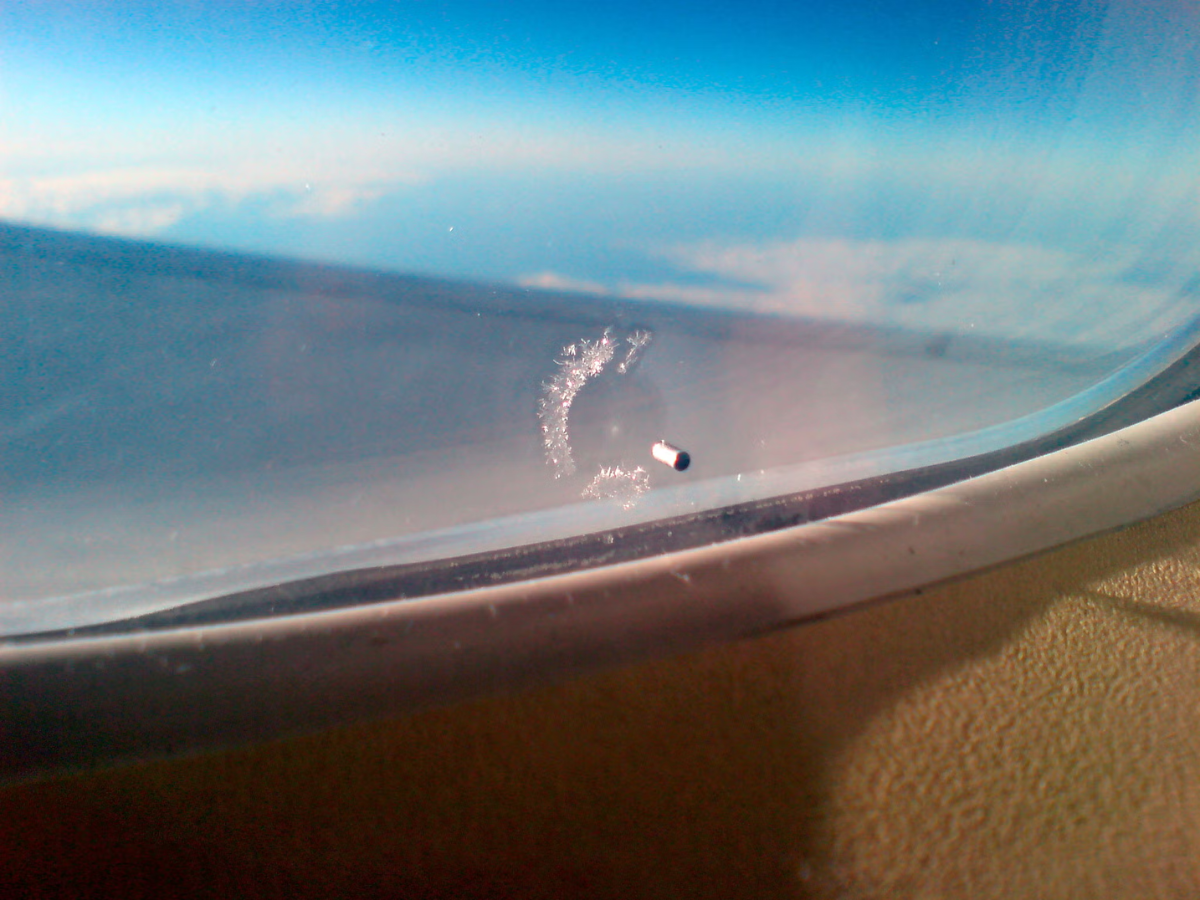
The Hole Helps Regulate Cabin Pressure
Aircraft cabins maintain higher pressure than the air outside. The small hole, called a breather or bleed hole, allows pressure to balance between the cabin and the space between the window layers. This prevents the inner pane from taking the full pressure load. The outer pane handles most of the force, while the hole keeps the inner pane safe. This pressure control reduces stress on the window and lowers the chance of cracks. By maintaining the pressure difference correctly, the window stays strong throughout the flight.
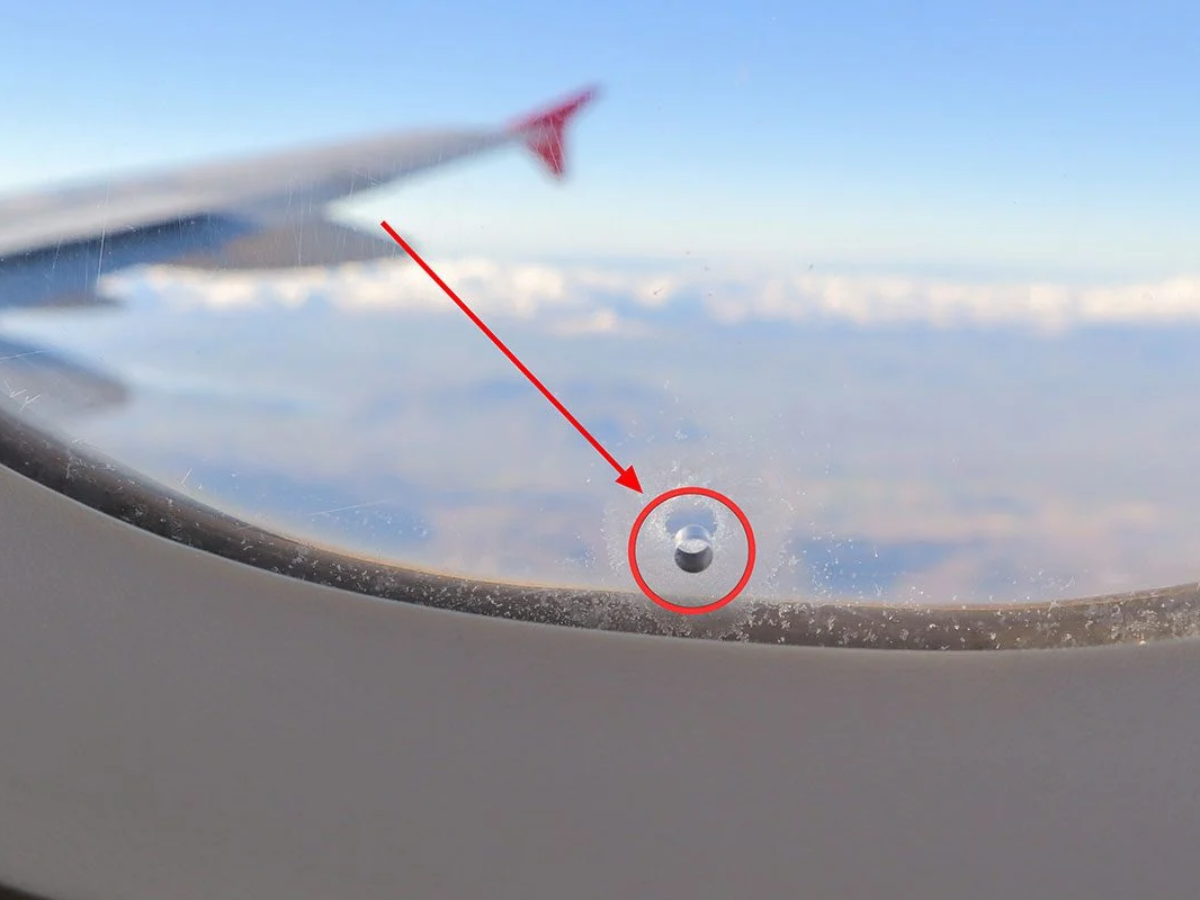
The Hole Stops Fogging and Frost Formation
The breather hole also controls moisture between the window layers. When aircraft fly through cold and humid air, windows can fog up or freeze. The tiny opening allows a small amount of cabin air to enter the window gap, preventing moisture from settling. This keeps the pane clear during takeoff, cruising, and landing. The hole ensures passengers can see outside without obstruction. It also supports better visibility for crew members and helps maintain a comfortable environment inside the cabin.
The Hole Protects the Window’s Structure
The bleed hole helps maintain the strength of the window system by ensuring the outer pane absorbs most of the pressure. Without this feature, pressure would collect unevenly between the layers. This could cause cracks or stress marks, especially during long flights. The breather hole keeps the panes aligned and stable even when the aircraft moves through turbulent air. The design also prevents sudden stress on the middle pane. Engineers rely on this feature to keep the window steady and safe.
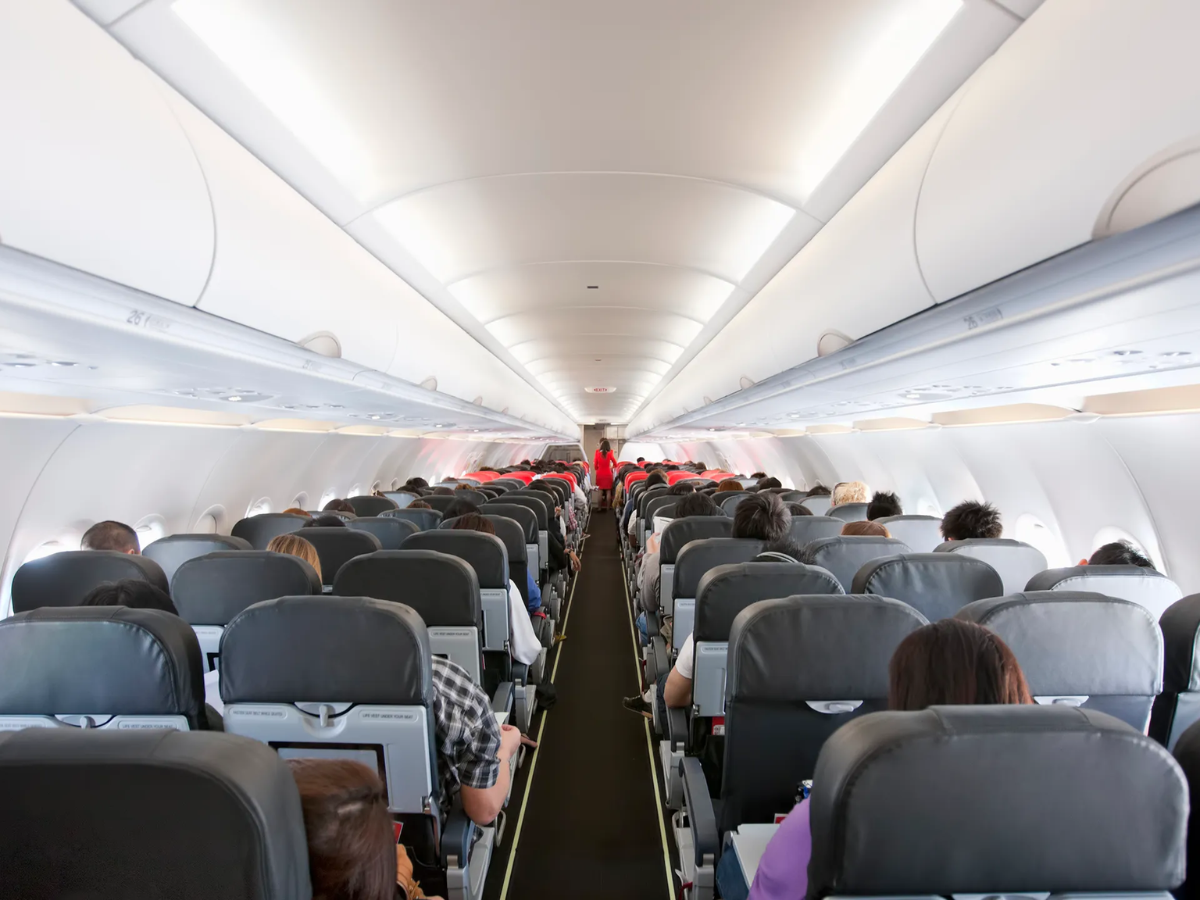
The Hole Supports Passenger Safety
Passenger safety depends heavily on the stability of every aircraft part. The bleed hole helps maintain a safe pressure balance, reducing the chances of window failure. If the outer pane cracks, the inner pane can act as backup support. The hole ensures pressure continues to pass through correctly, even in such situations. This controlled flow prevents sudden pressure changes inside the cabin. By managing these factors, the design protects passengers and crew from any unexpected window issues during flight.
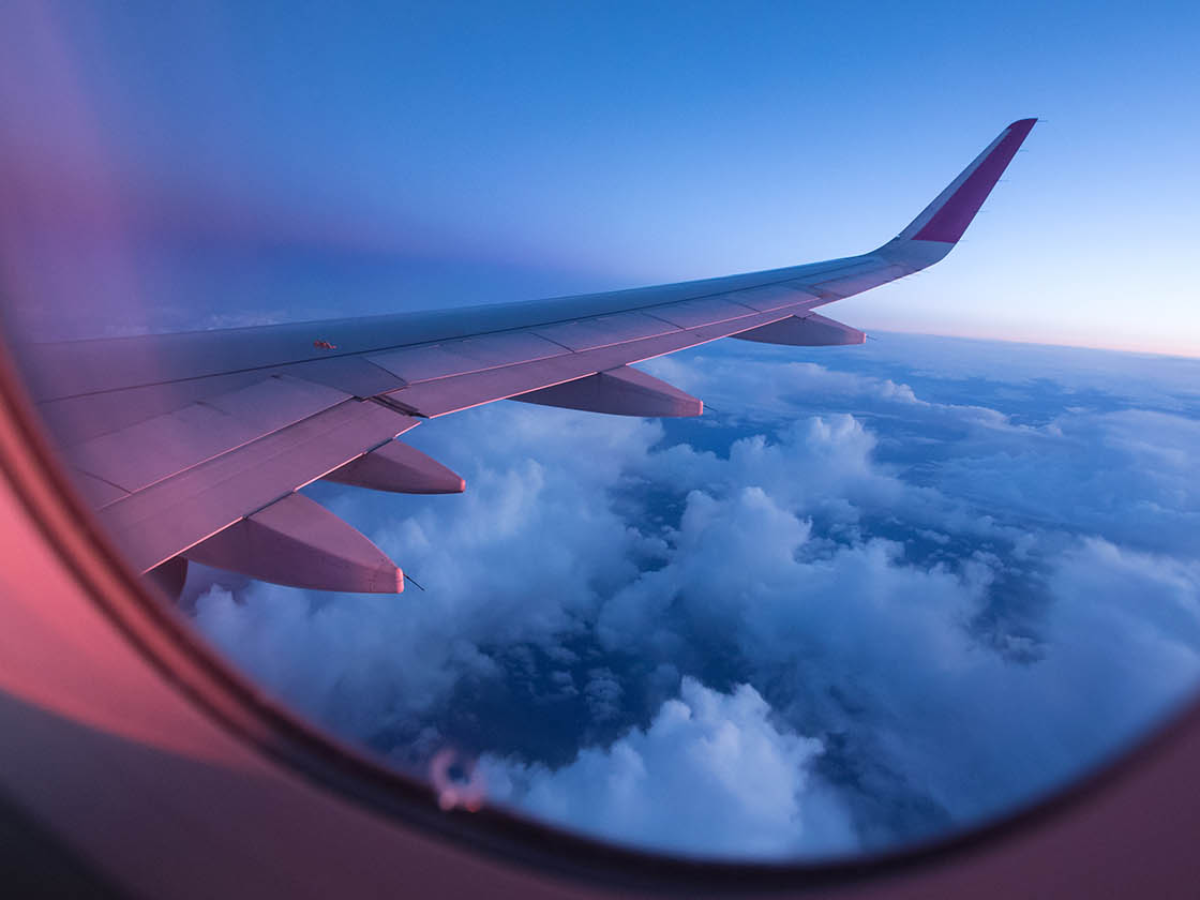
The Hole Reduces the Risk of Window Damage
Aircraft windows experience strong wind pressure and rapid temperature shifts during climbs and descents. The tiny hole helps the window adjust smoothly to these changes. It prevents stress from building up inside the window layers, reducing the chances of cracks or breaks. Proper pressure control also increases the lifespan of the window. Airlines conduct regular checks to make sure the hole is clear and working as designed. This maintenance helps the window survive many years of flights without damage.




