
7 Sea Creatures That Farm Their Own Food: From Fish to Crabs
Explore how damselfish, yeti crabs, corals, and more farm algae and bacteria in the ocean.
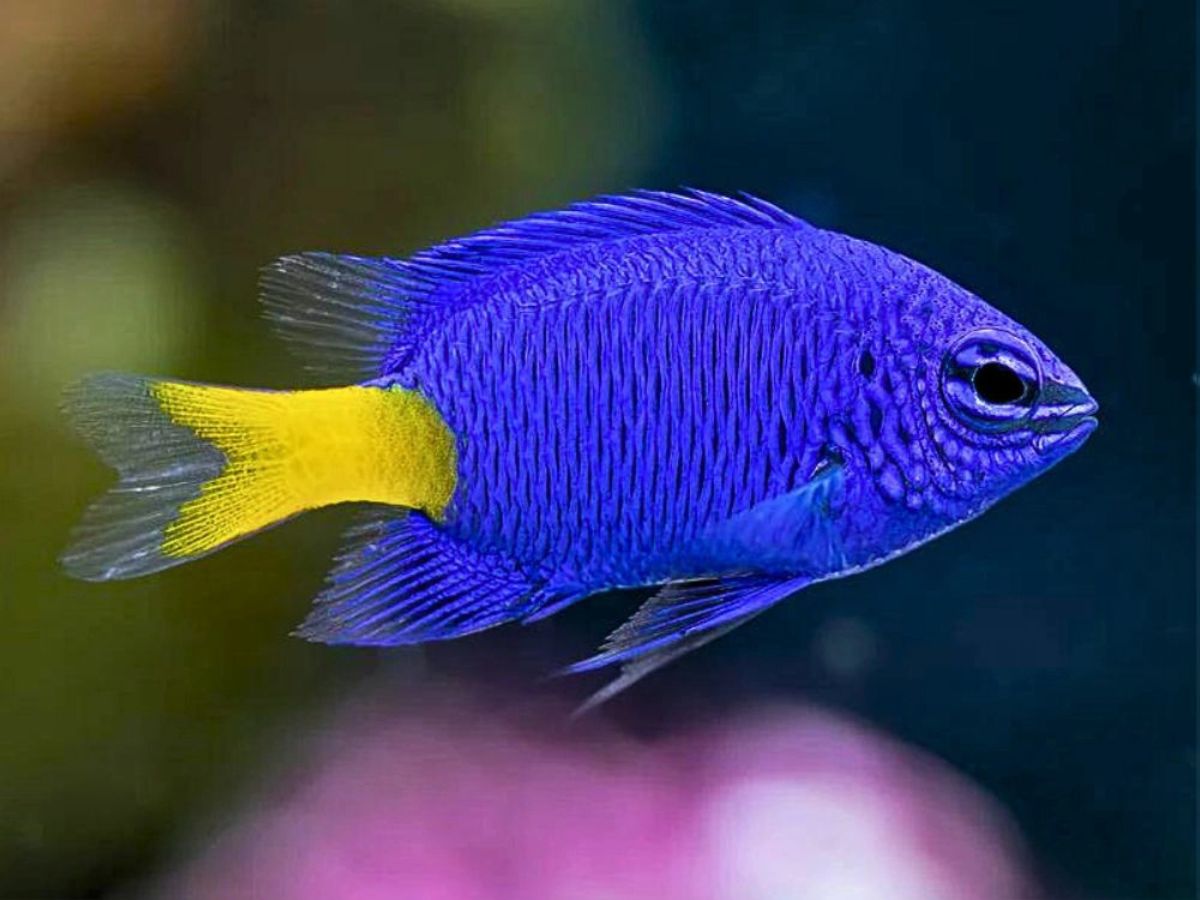
Damselfish
Damselfish carefully tend gardens of algae on coral reefs. They weed out unwanted algae and chase away herbivores that might eat their crop. These tiny territorial fish maintain their patches diligently, ensuring a steady food supply. Some even prefer certain algae types, cultivating monocultures.
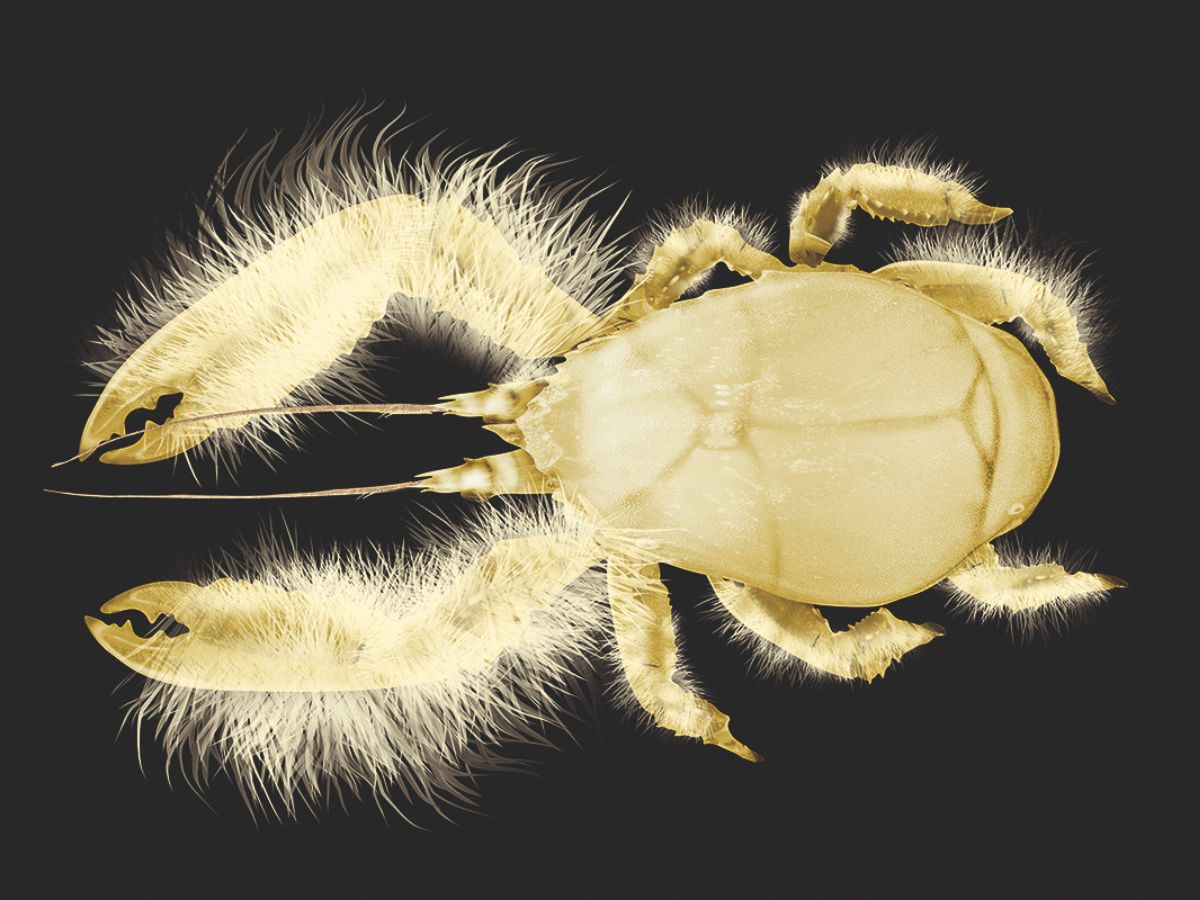
Yeti Crab
Found near hydrothermal vents, the yeti crab cultivates bacteria on its hairy claws. It waves its claws in vent-rich waters to feed the bacteria, then scrapes them off to eat. This mutualistic farming provides the crab with a reliable food source in a harsh environment.
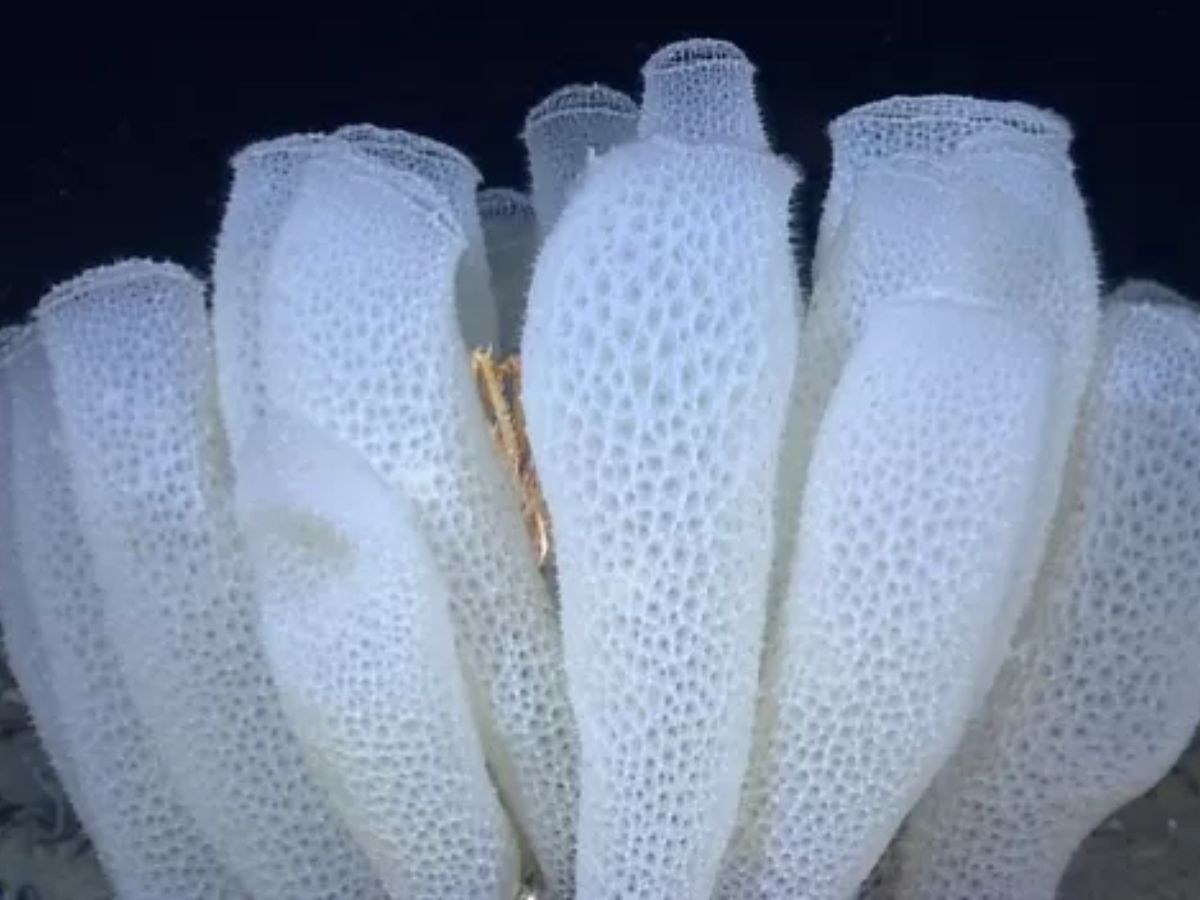
Leafcutter Ant Symbiont Fungus: Sponge
Though not ants, some sponges do a similar farming trick: they house symbiotic bacteria within their tissues. These microbes produce food for the sponge and in return get a safe habitat. It’s like an underwater farm that grows inside the sponge itself.
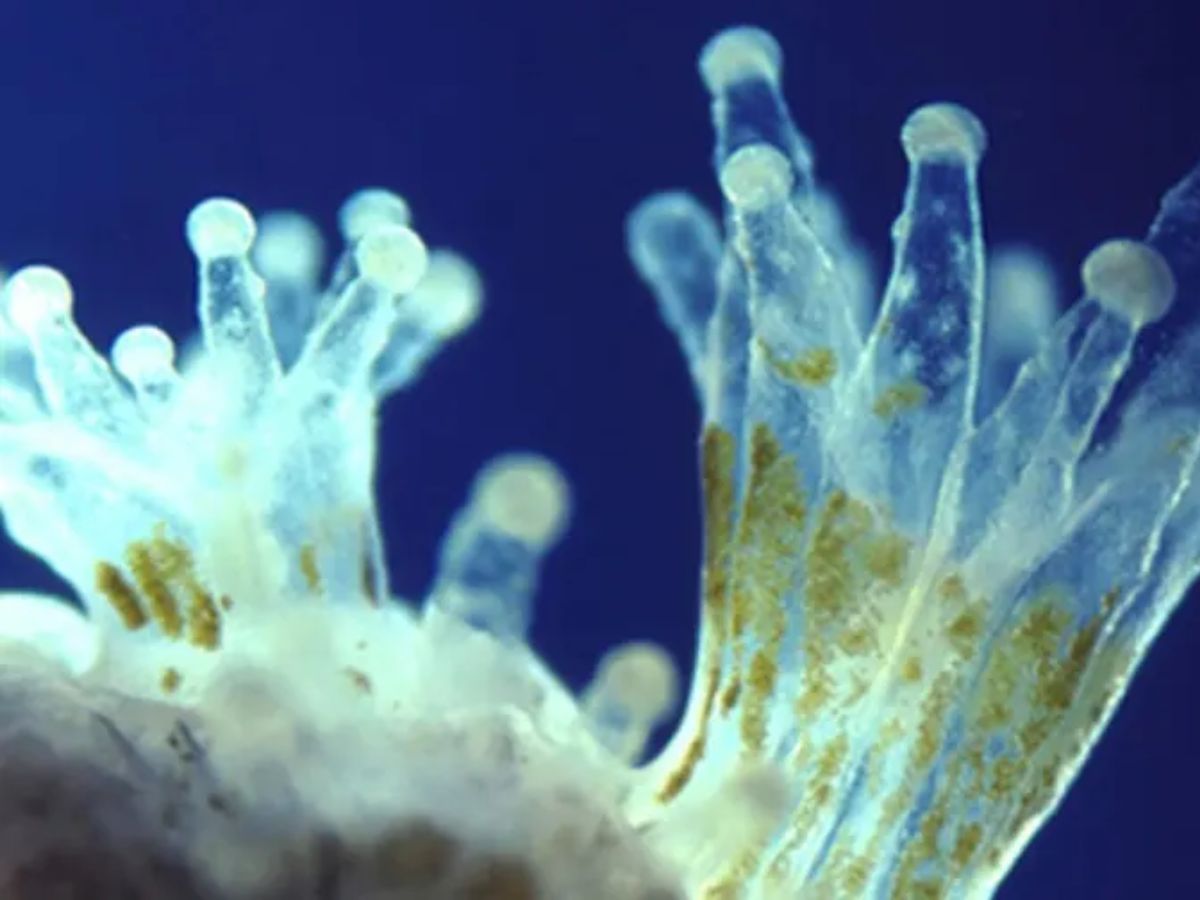
Coral Polyps & Zooxanthellae
Corals "farm" microscopic algae called zooxanthellae inside their tissues. The algae photosynthesize, producing sugars the coral uses for energy. In turn, the coral provides the algae with nutrients and a protected environment. This partnership builds vast coral reefs.
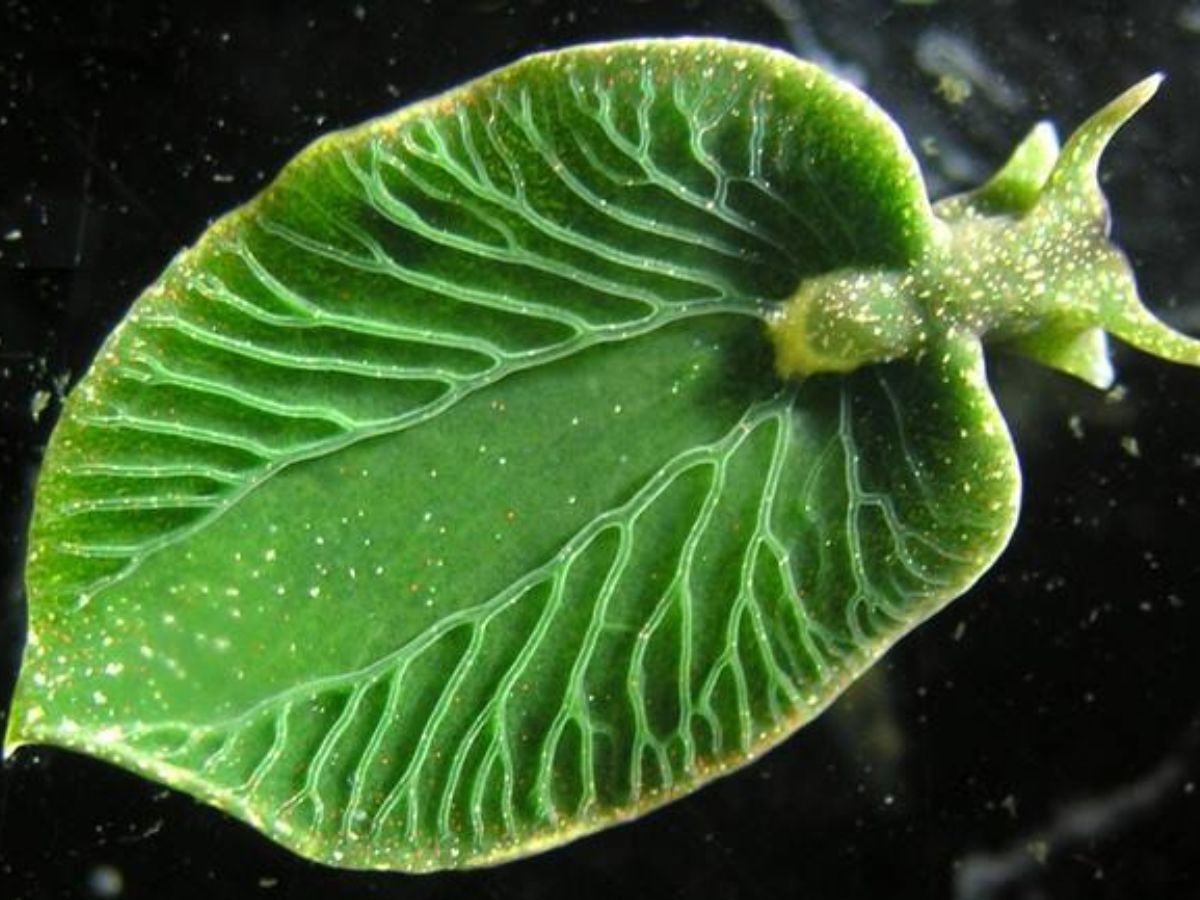
Sea Slugs (Elysia chlorotica)
This sea slug eats algae and incorporates the algae’s chloroplasts into its own cells. It essentially turns itself into a solar-powered farmer, using photosynthesis to make food. It can survive for months living off sunlight alone.
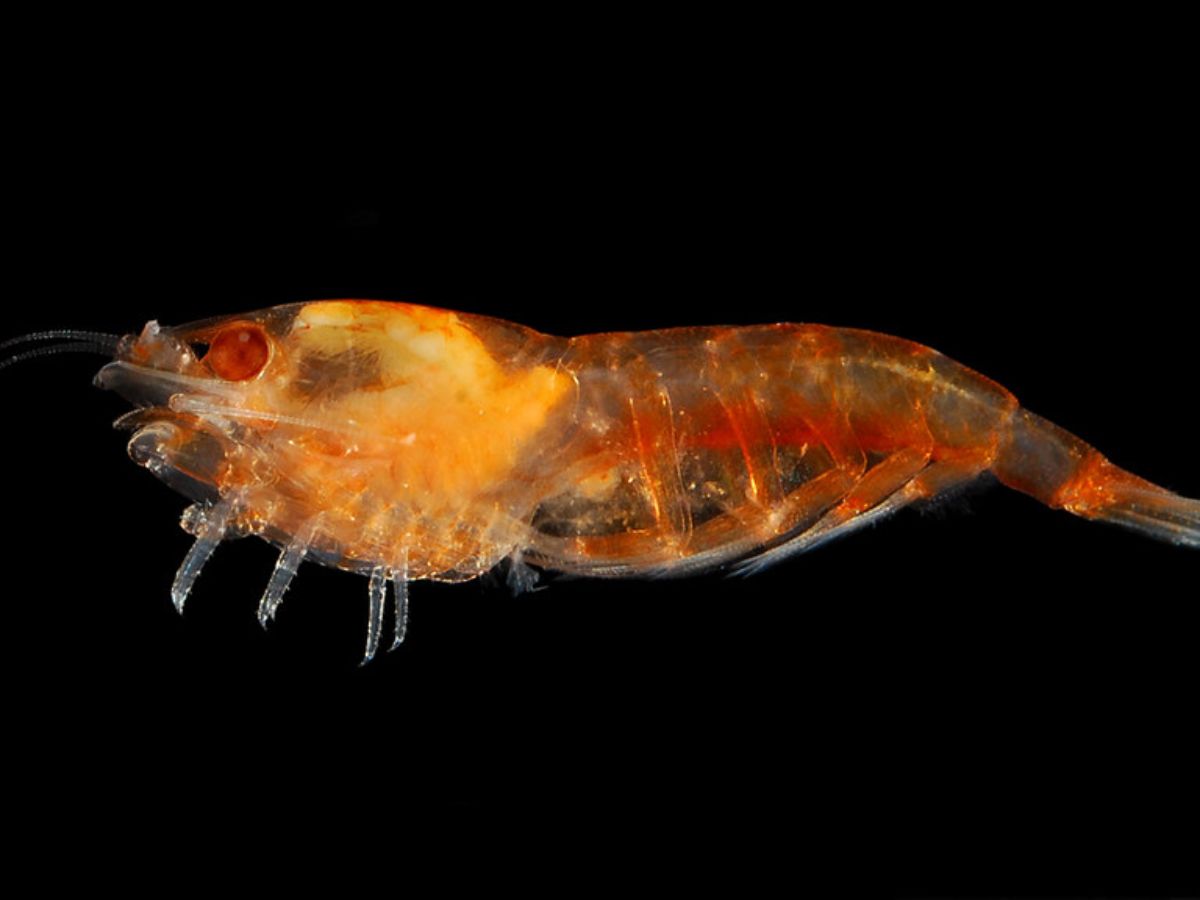
Sponge-Dwelling Shrimp
Some shrimp species live inside sponges and farm the microbes growing there. They harvest and eat the rich microbial mats, carefully maintaining their sponge homes to keep the farm thriving. In turn, their movements may help circulate water for the sponge.
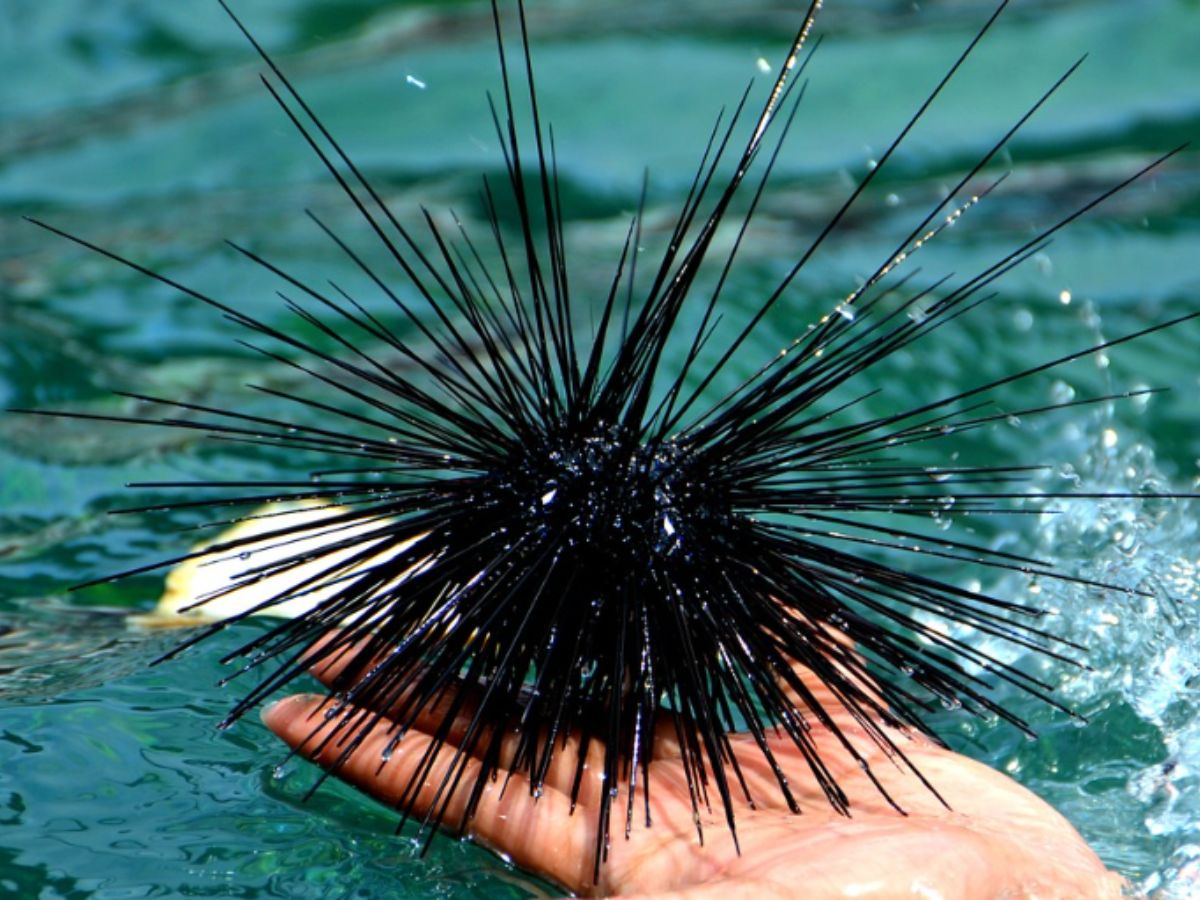
Sea Urchins (Indirect Farming)
Certain sea urchins keep “barren” areas by grazing algae down to a farmable crust, promoting regrowth of particular algae they prefer. By controlling the algae landscape through continuous grazing, they essentially create and maintain their own food patches.




