
Ancient Secrets, Modern Homes: Decoding India’s Entrance Symbolism, In Pics
In India, its rich tapestry of culture is so intricately woven into the fibre of its homes, that your journey begins at the front door. ‘TALISMANS FOR LUCK’, These aren’t just for show, they are rich in history and meaning, warding off bad luck and bringing in good vibes. Every item is full of meaning and has a story to tell, to invite blessings, protect and to stamp a home as a place bursting with warmth, spirit, and good fortune. Understanding these components reveals a keener understanding of India’s enduring legacy and the gorgeous values that create its domestic universe. Let’s take a look at some of these.
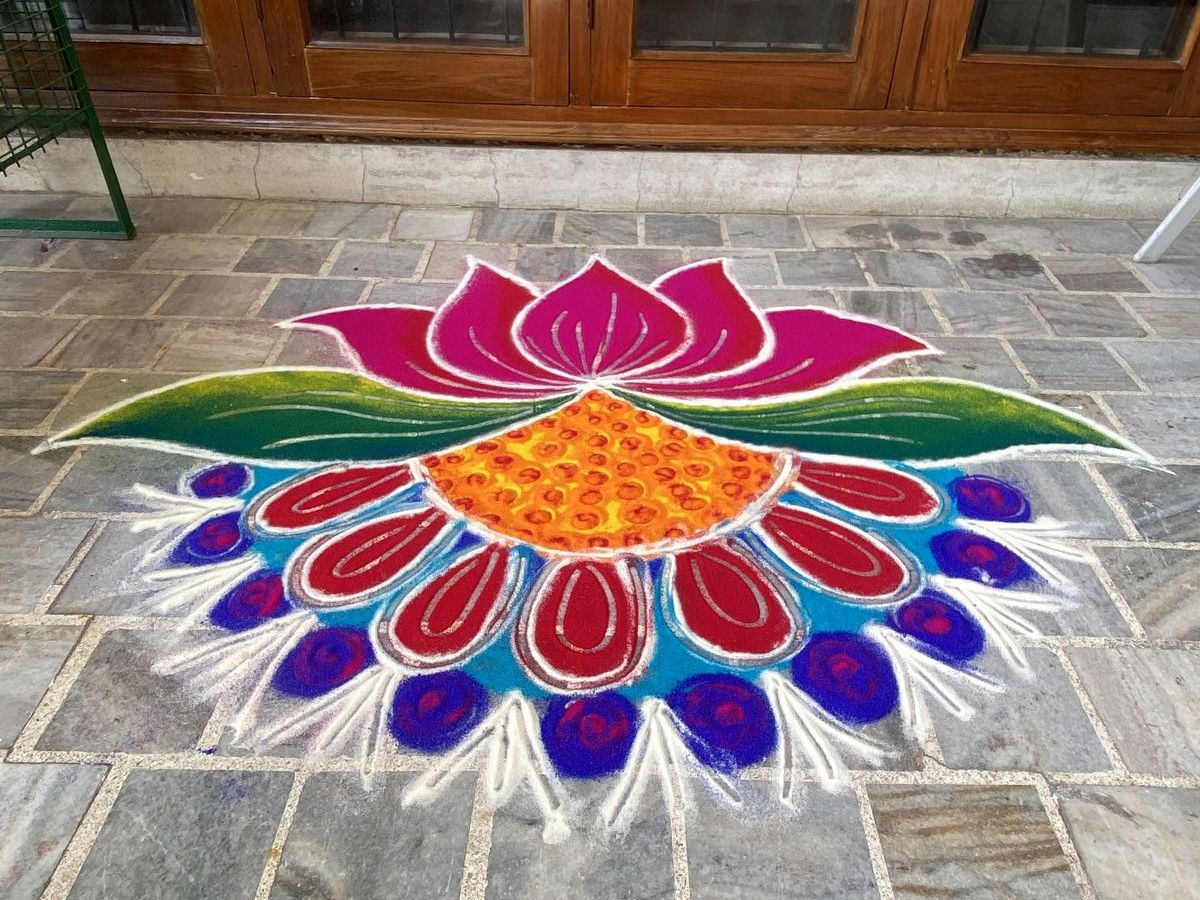
Rangoli
These vibrant floor art patterns, crafted from colored powders or flowers, symbolize welcoming positive energy, prosperity, and good luck into the home. They are intricate invitations to deities and guests alike.
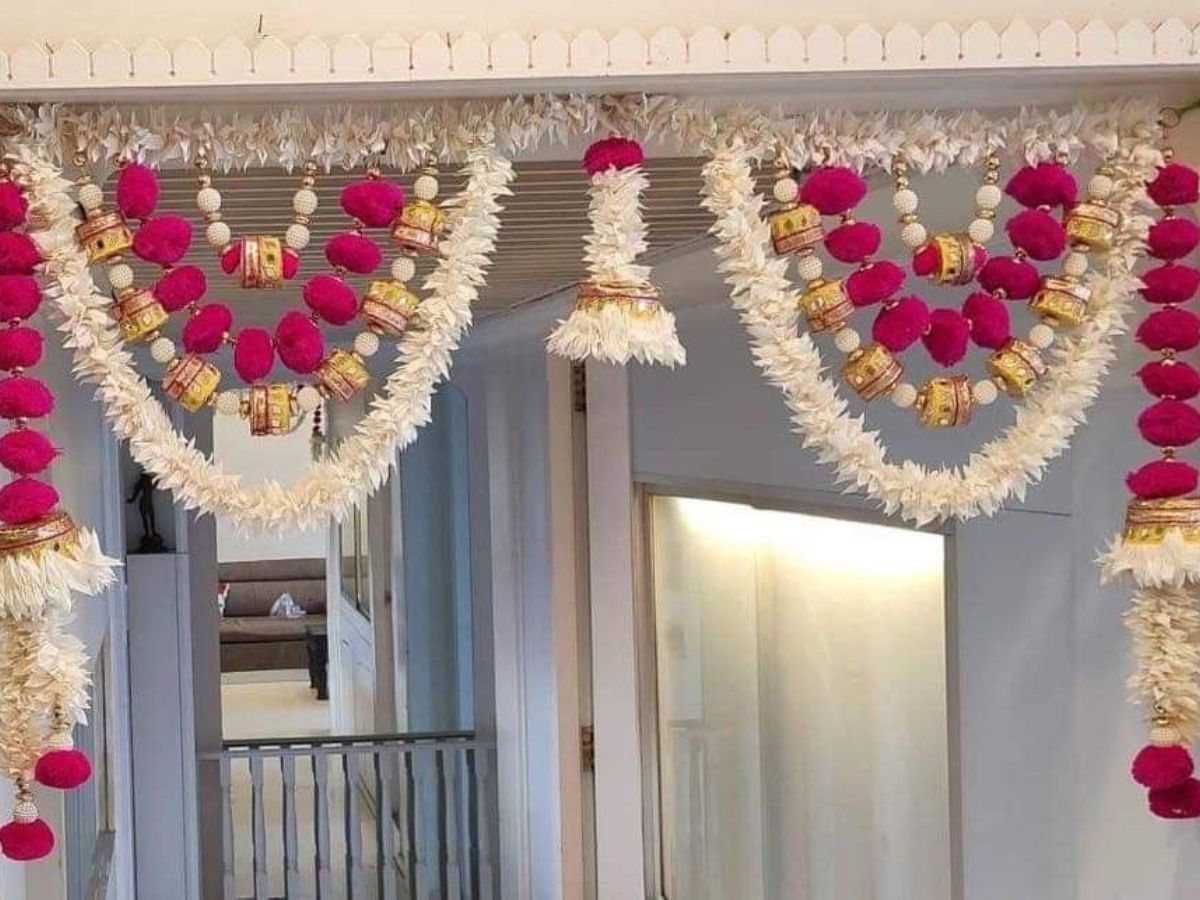
Toran
Decorative door hangings, often made of fabric, beads, or fresh mango leaves and marigolds, are believed to ward off negative energy and attract auspiciousness. They signify celebration and a warm welcome.
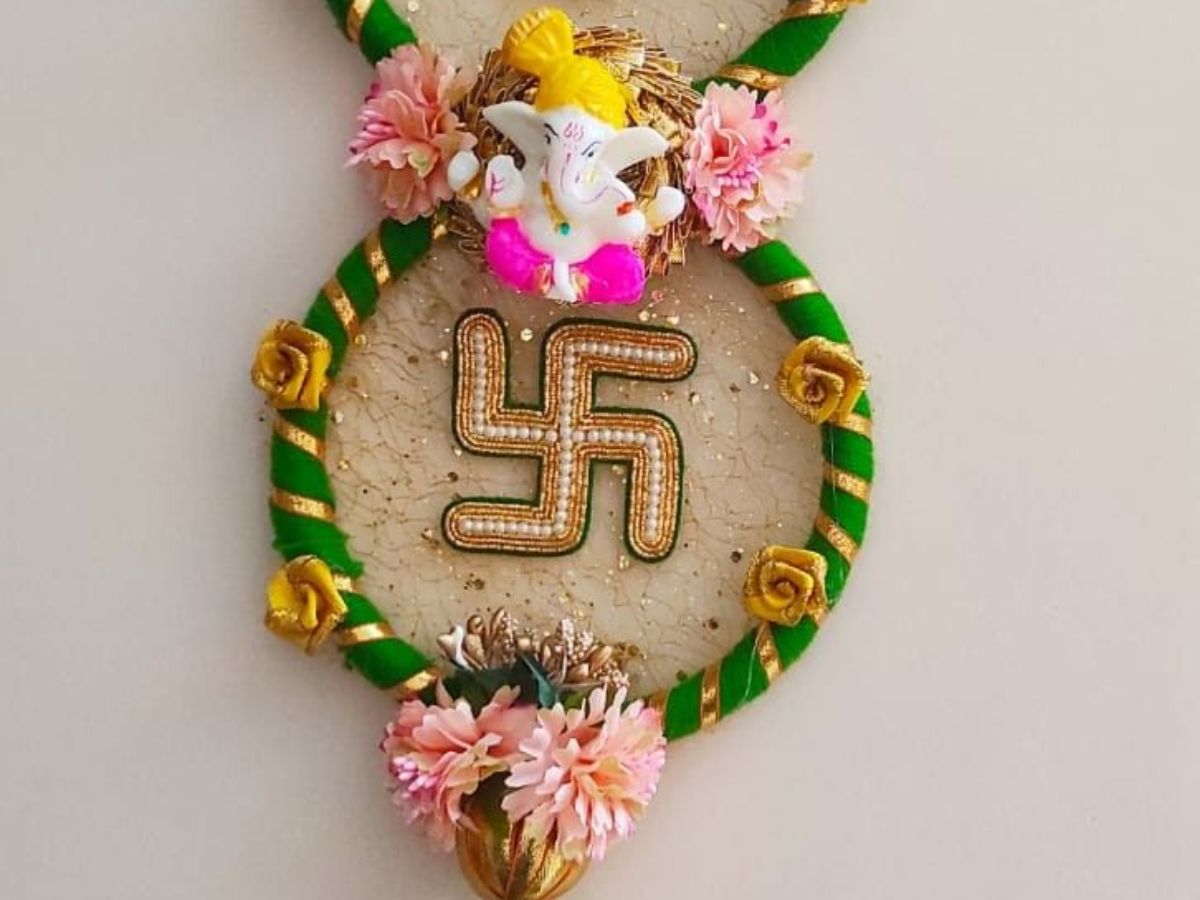
Swastika
An ancient symbol of auspiciousness, prosperity, and well-being, the Swastika represents the flow of positive cosmic energy. Its placement at entrances invites good fortune and dispels obstacles.
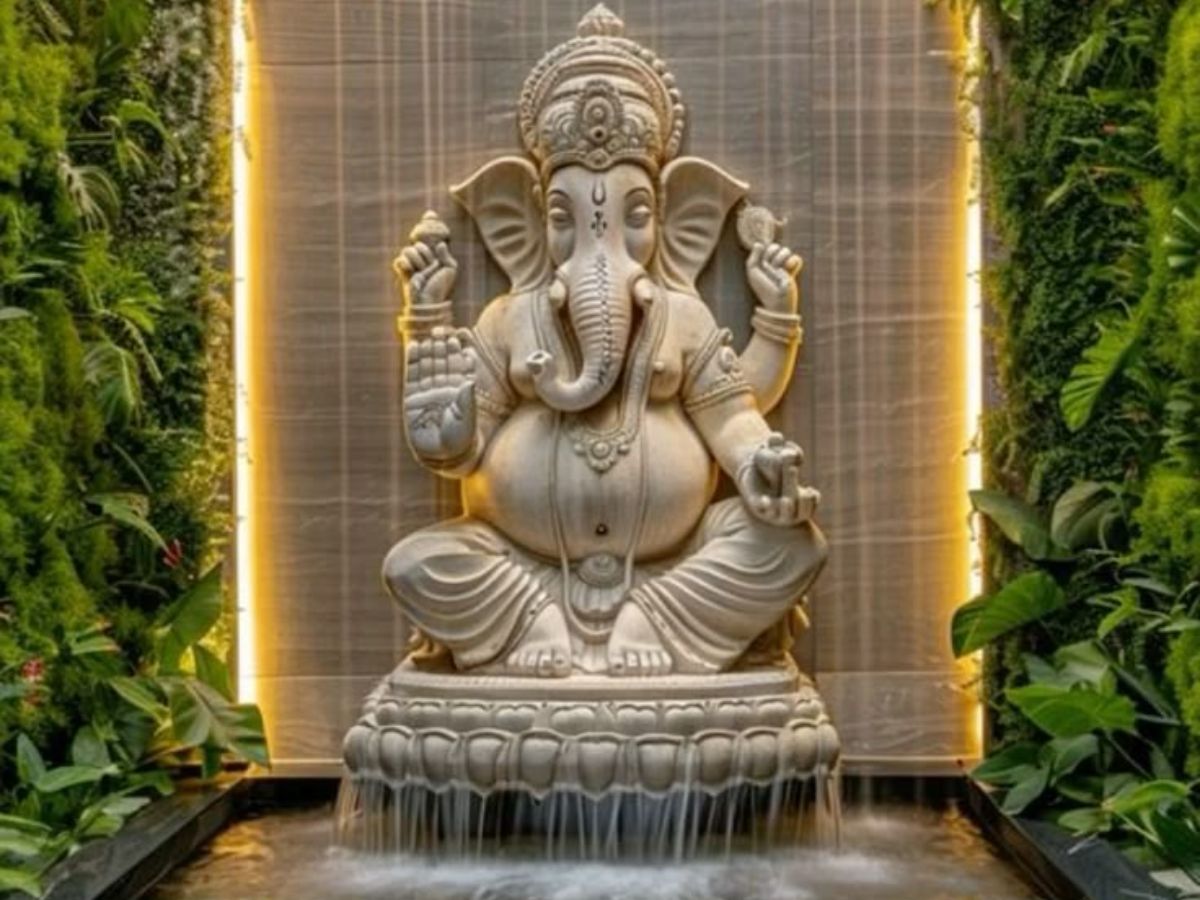
Ganesha Idol
Placing a Ganesha idol at the entrance, often facing inwards or placed on an outer wall, invokes the deity known as the remover of obstacles and the god of wisdom. He is worshipped for smooth beginnings and protection.
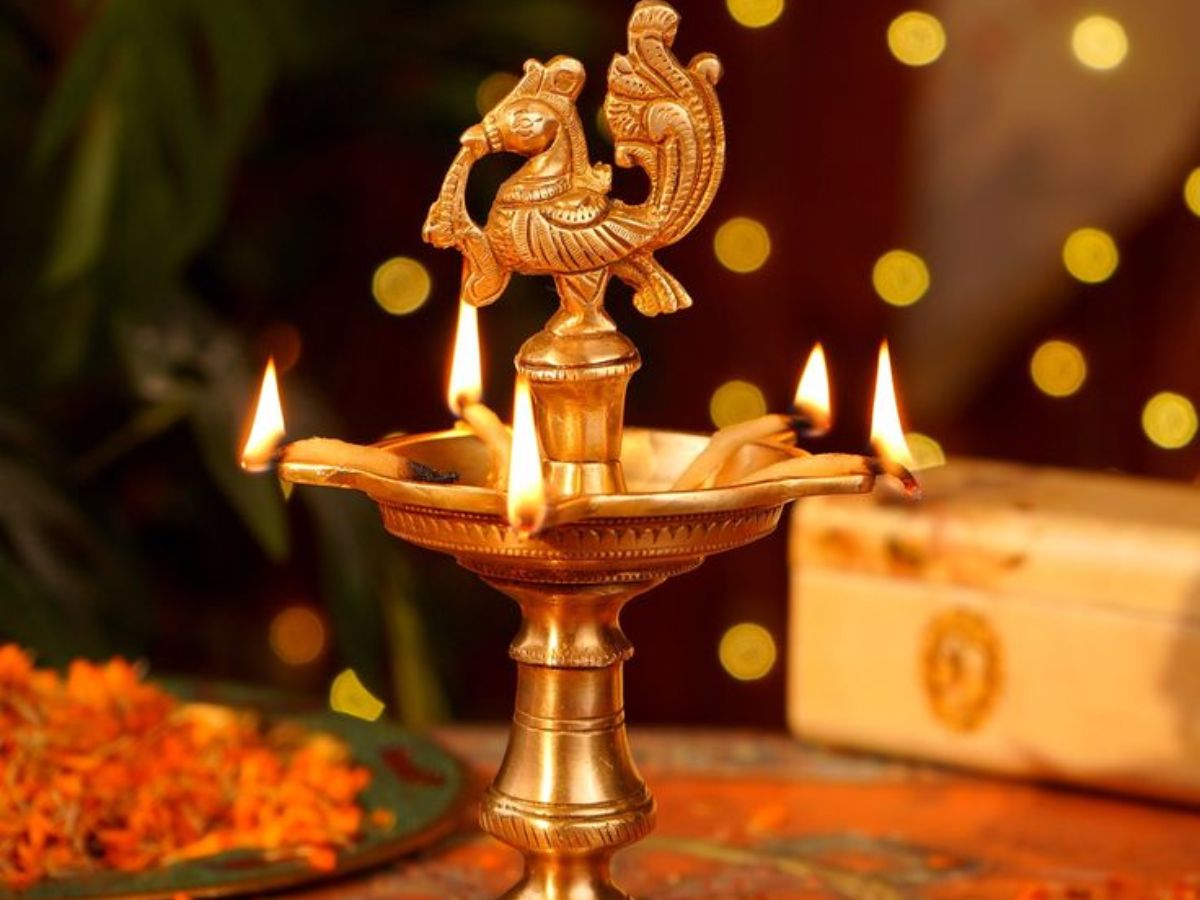
Diya (Oil Lamp)
These small oil lamps symbolize the triumph of light over darkness and knowledge over ignorance. Lit at entrances, diyas invite blessings, purity, and illuminate the path for positive energies to enter.




