
August Kranti Diwas: When India Said ‘Do or Die’ – A Visual Tribute
On 8 August, August Kranti Diwas is celebrated to commemorate the dawn of the historic Quit India Movement, 1942, which marked a turning point in the battle for India’s independence. Mahatma Gandhi delivered his uncompromising cry of Do or Die, on 11th August at Gowalia Tank Maidan, Mumbai, where he incited the nation to take up arms (though non-violently) and fight to the last man to achieve freedom. Such leaders, as Jawaharlal Nehru, Sardar Patel, Aruna Asaf Ali, and many more unnamed heroes, participated in the movement along with women and youth, who could no longer put up with the colonial tyranny. Protests, strikes, and underground fires fired the spirit of resistance across cities, towns, and villages, even though the British were quick to crack down harshly against them. This collection of photographs will guide you through the seldom-seen archival photos and dramatic scenes of the period and portray the bravery, solidarity, and sacrifice that were embodied in August 1942. Every frame becomes an honour to the people who kindled the light of freedom that would later become an independent country, India.
Freedom in Focus
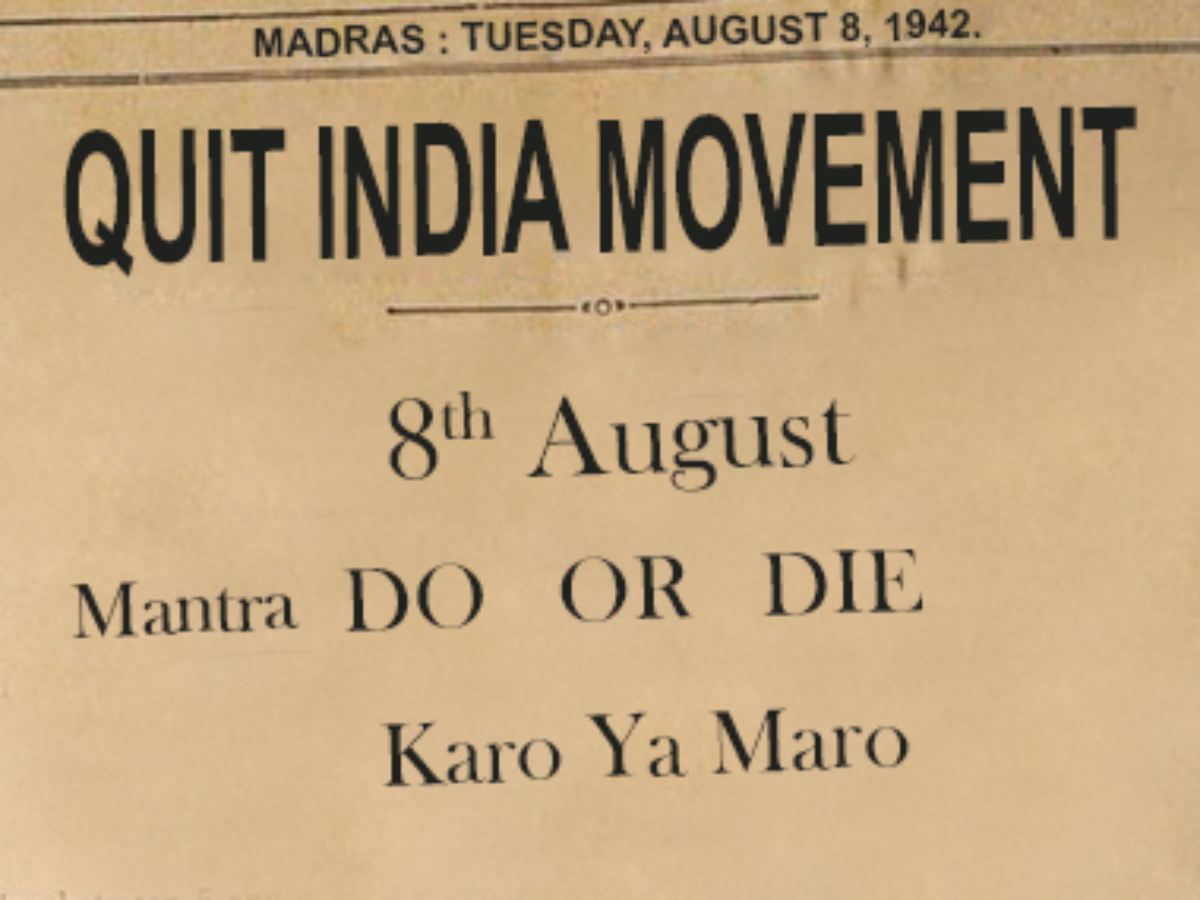
On 8 August 1942, the All India Congress Committee launched the Quit India Movement in Bombay.
This marked one of the most decisive phases in India’s struggle for independence.
The movement aimed at ending British rule through mass civil disobedience.
It remains a symbol of unity, courage, and sacrifice.
Mahatma Gandhi’s Speech at Gowalia Tank Maidan
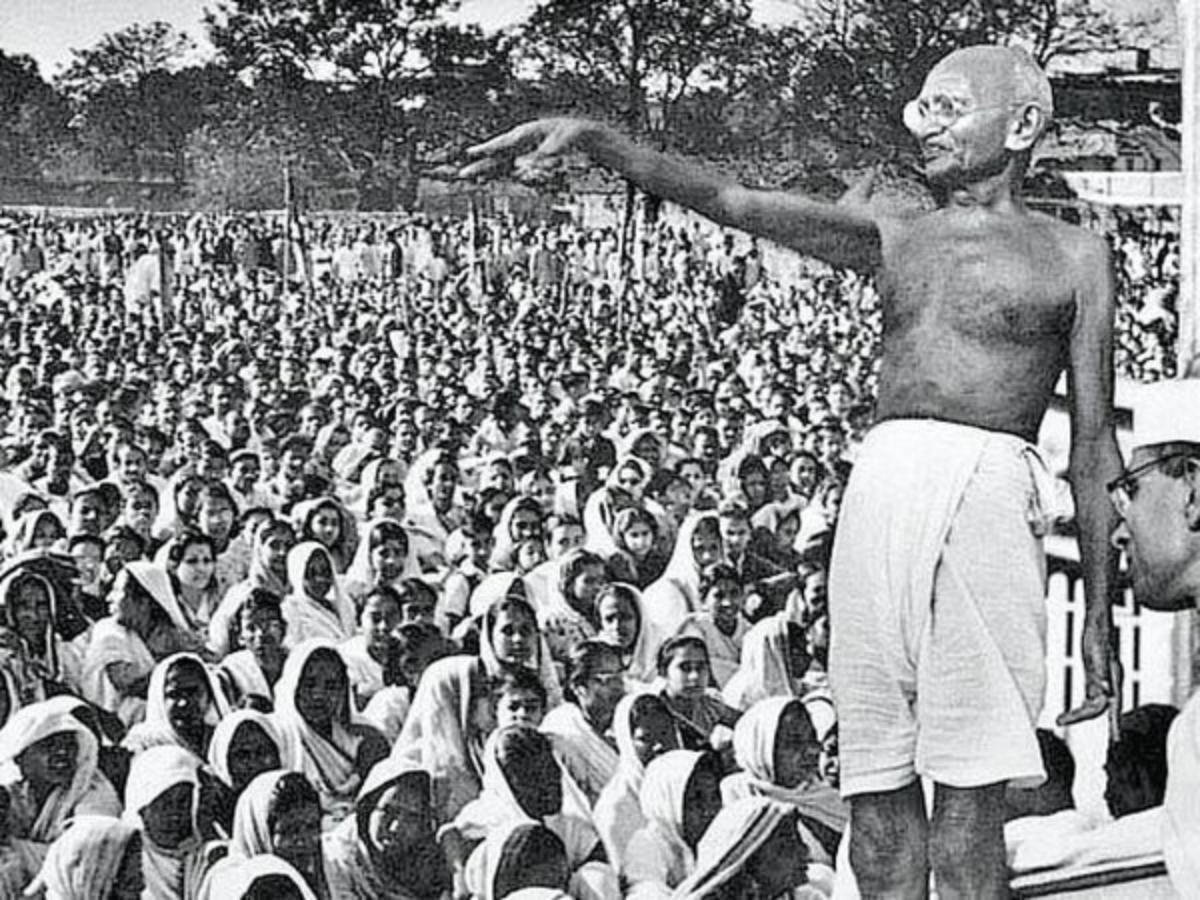
Mahatma Gandhi delivered his famous “Do or Die” speech here.
He urged Indians to fight non-violently but relentlessly until freedom was achieved.
The call resonated across the country, inspiring people from all walks of life.
This speech became the defining voice of the movement.
Key Leaders of the Movement
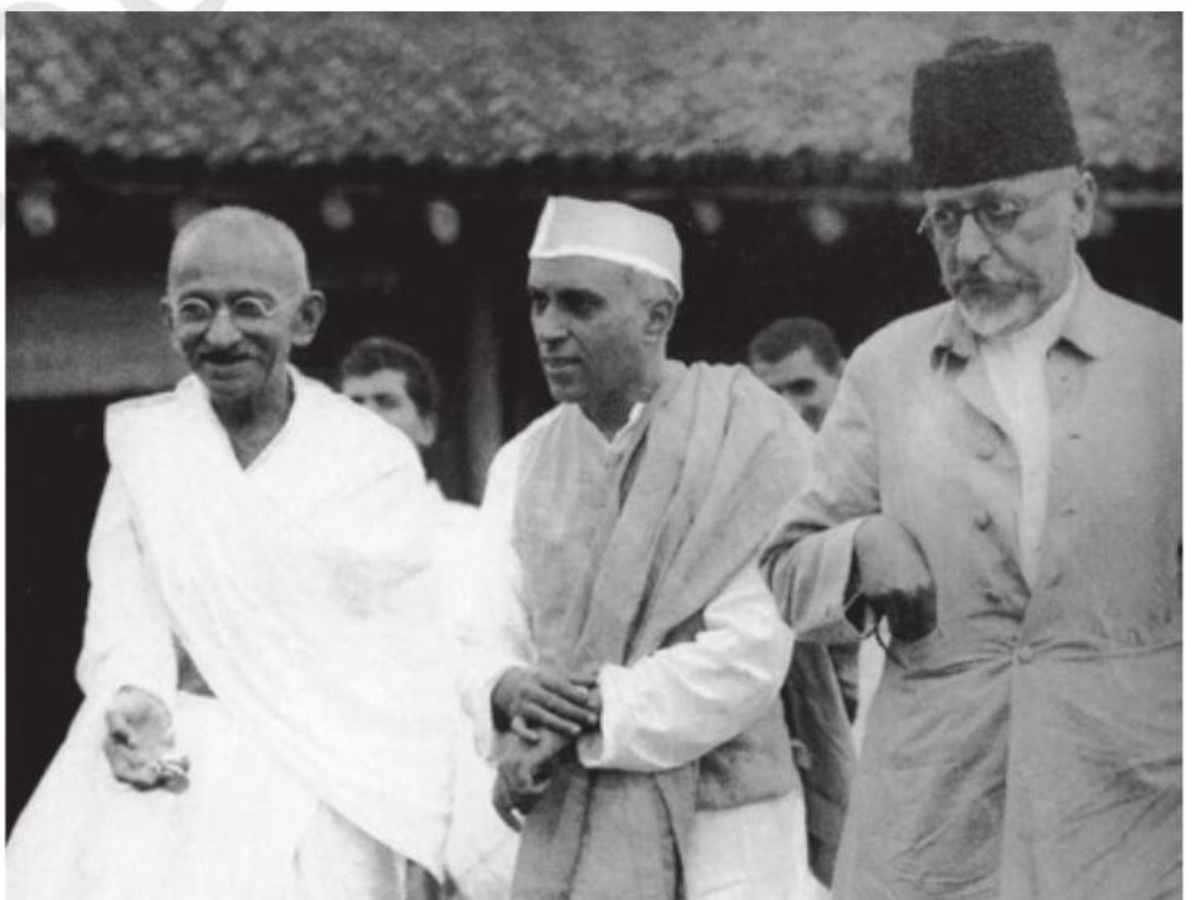
Leaders like Jawaharlal Nehru, Sardar Patel, Maulana Azad, and Aruna Asaf Ali played crucial roles.
They mobilised protests, strikes, and underground activities.
Despite being arrested, their leadership kept the movement alive.
Their vision laid the foundation for India’s independence.
Aruna Asaf Ali Hoists the Flag
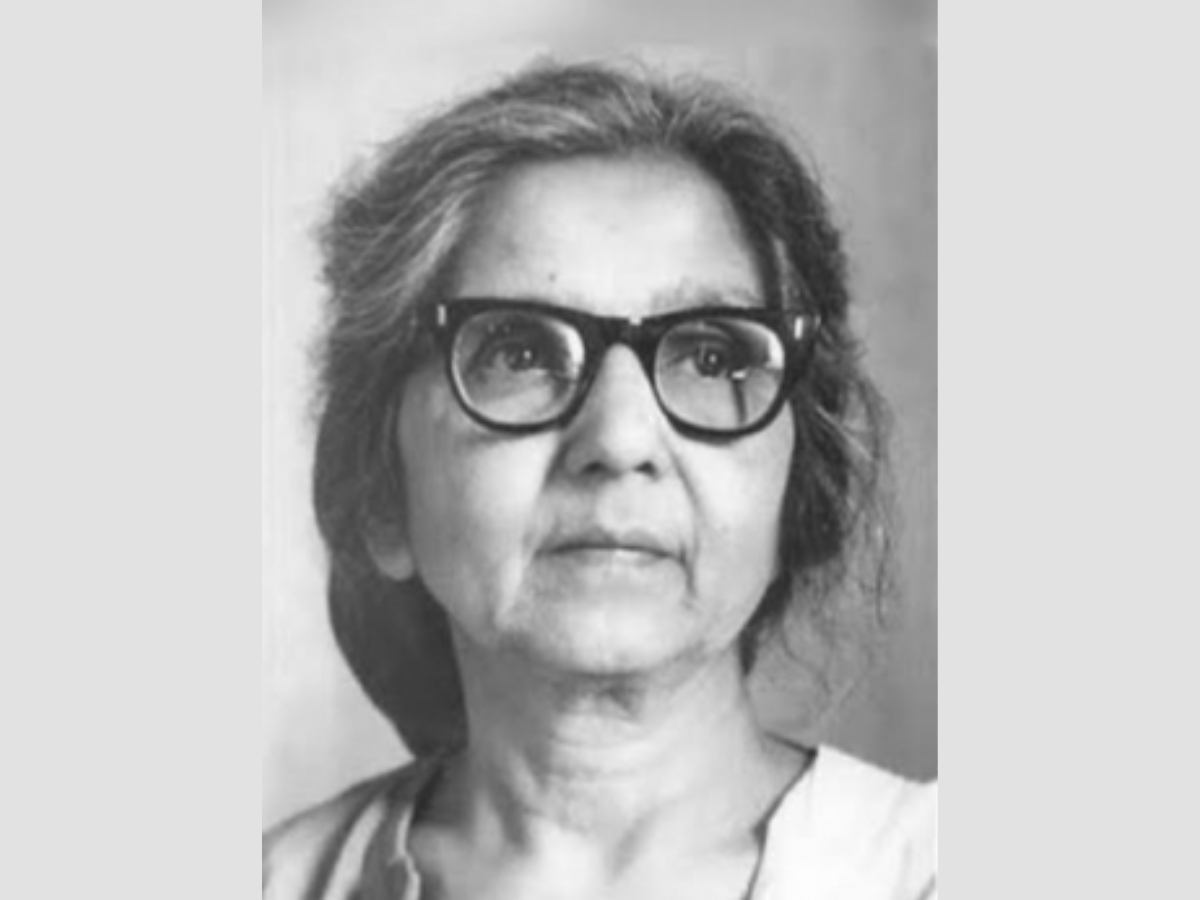
Defying British orders, Aruna Asaf Ali hoisted the tricolour at Gowalia Tank Maidan.
This act became a symbol of defiance against colonial rule.
She inspired thousands, earning the title “Grand Old Lady of the Independence Movement.”
Her courage showed that women were at the forefront, too.
Youth Participation
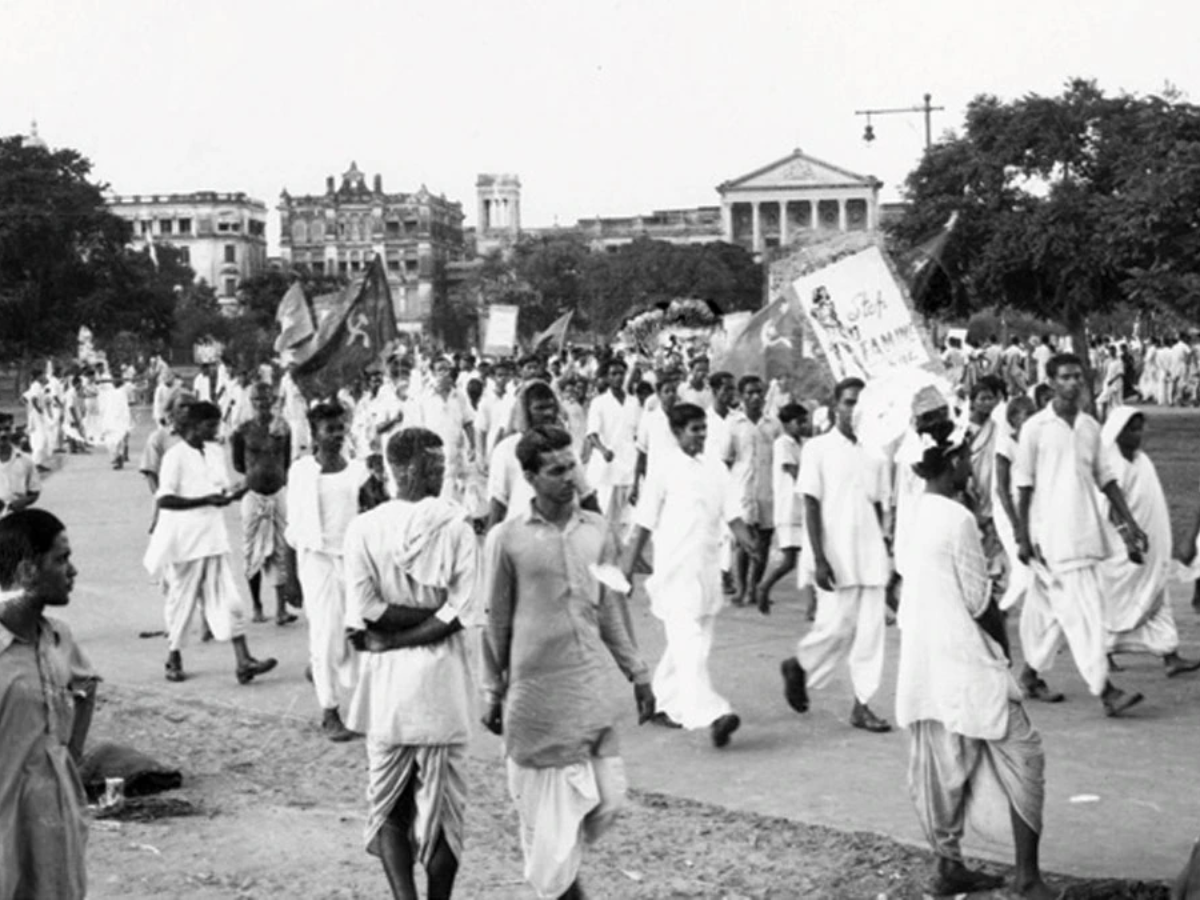
Young students and activists took to the streets in large numbers.
They organised rallies, distributed pamphlets, and faced police lathis.
The energy of youth gave the movement momentum and fearlessness.
Their sacrifice ensured the struggle reached every corner of India.
Women in the Movement
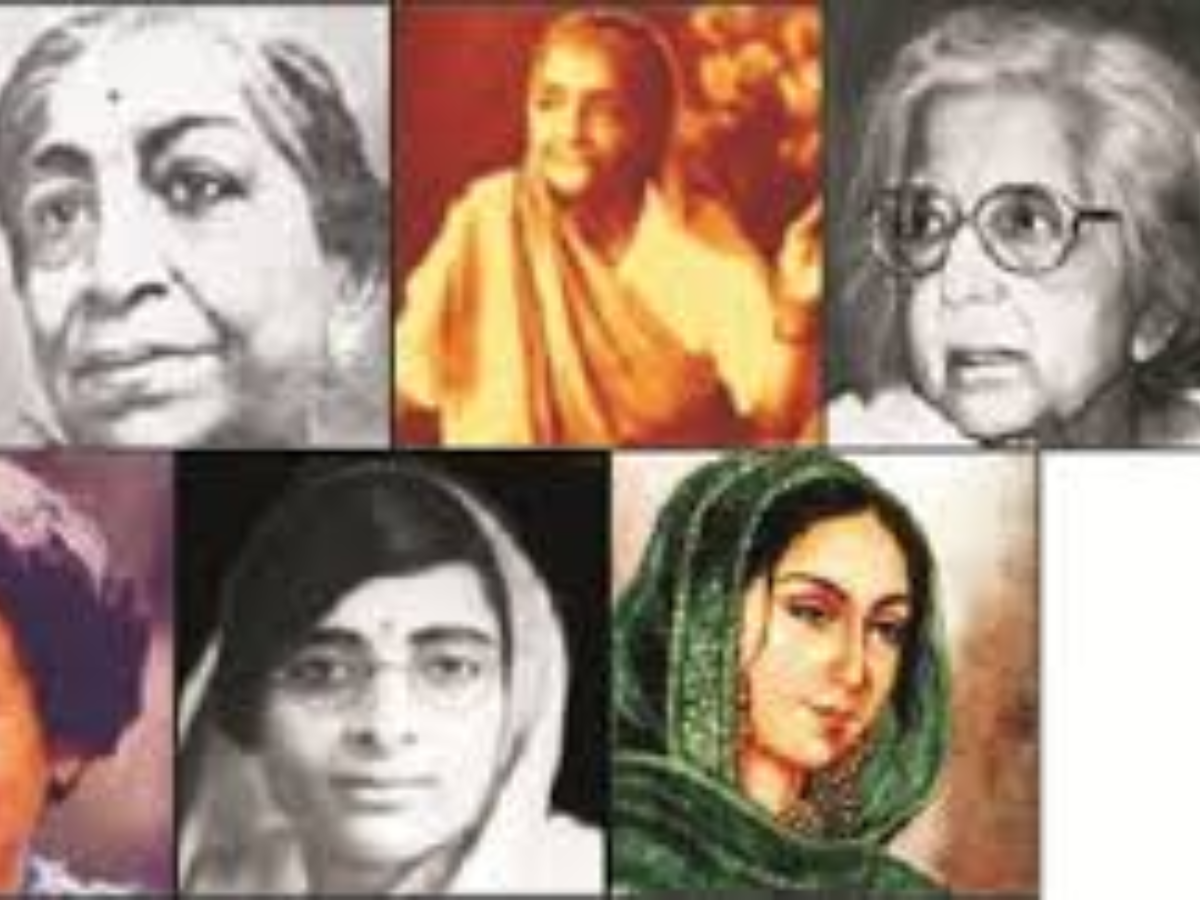
Women like Sarojini Naidu, Usha Mehta, and Kasturba Gandhi played vital roles.
Usha Mehta famously ran the Congress Radio to spread messages.
Their participation broke social barriers and inspired future generations.
Women proved they were equal partners in the fight for freedom.
British Crackdown
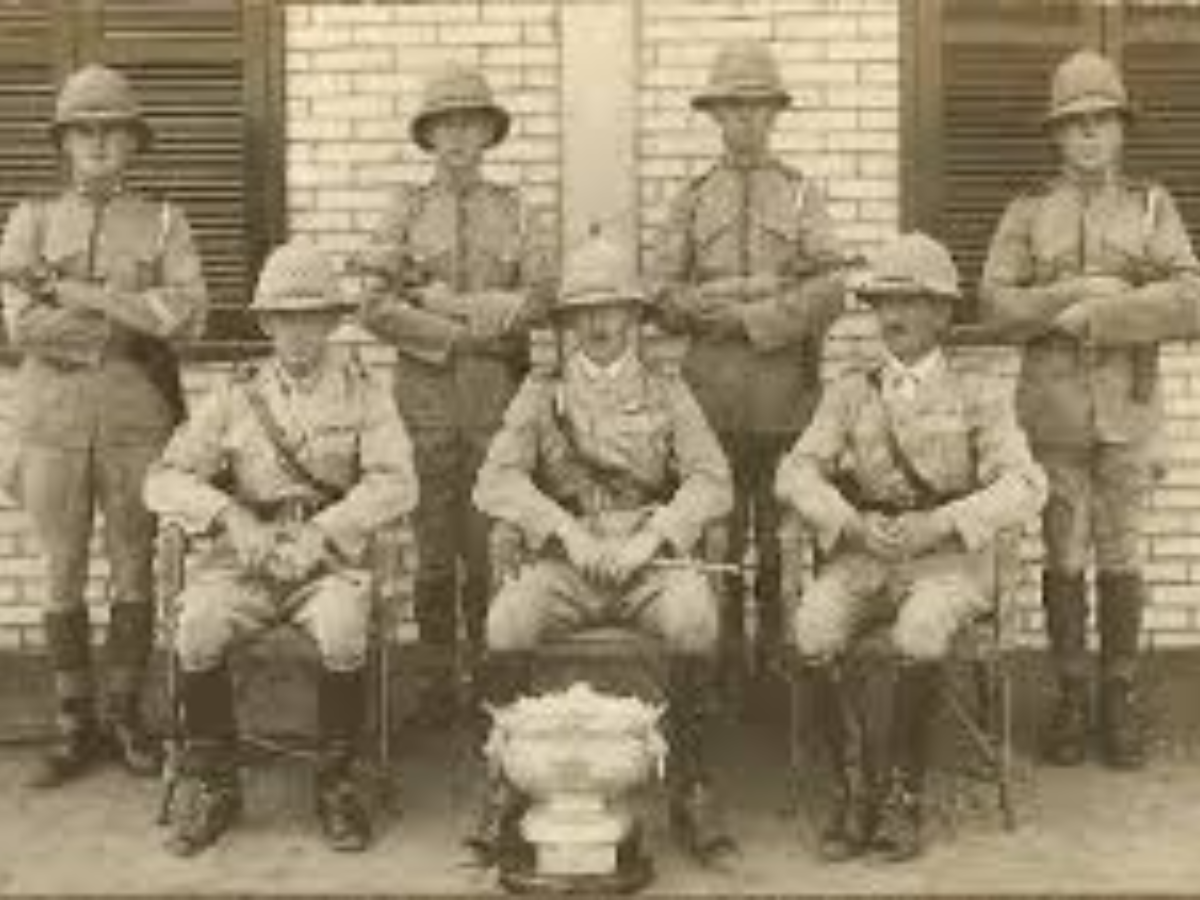
The British arrested most top leaders within hours of the movement’s launch.
Police used force to suppress protests, leading to deaths and injuries.
Public gatherings were banned, and press censorship intensified.
Instead of weakening it, the crackdown made the movement stronger.
Underground Activities
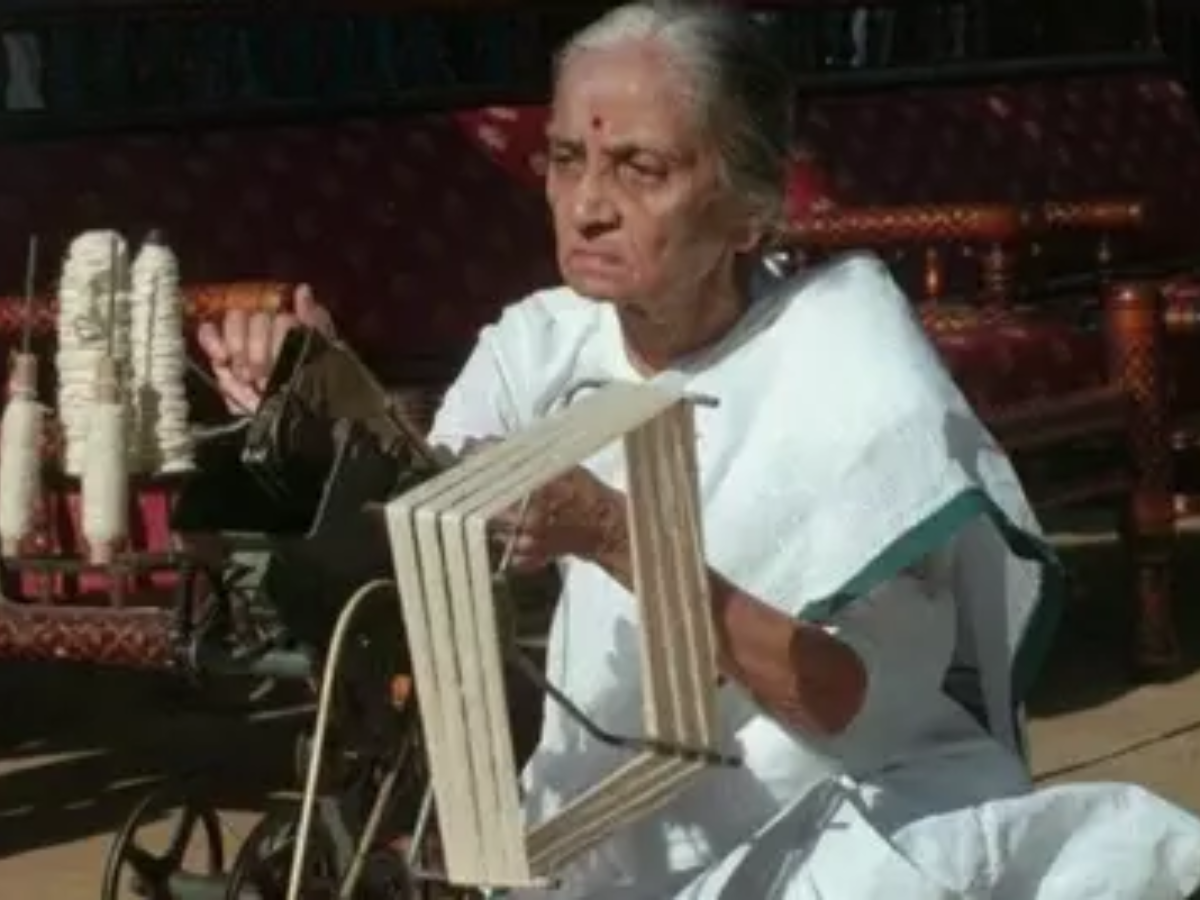
With leaders in jail, underground networks kept the struggle alive.
Secret printing presses published revolutionary pamphlets.
Congress Radio broadcast updates to keep people motivated.
This shadow resistance became the movement’s hidden strength.
Regional Movements
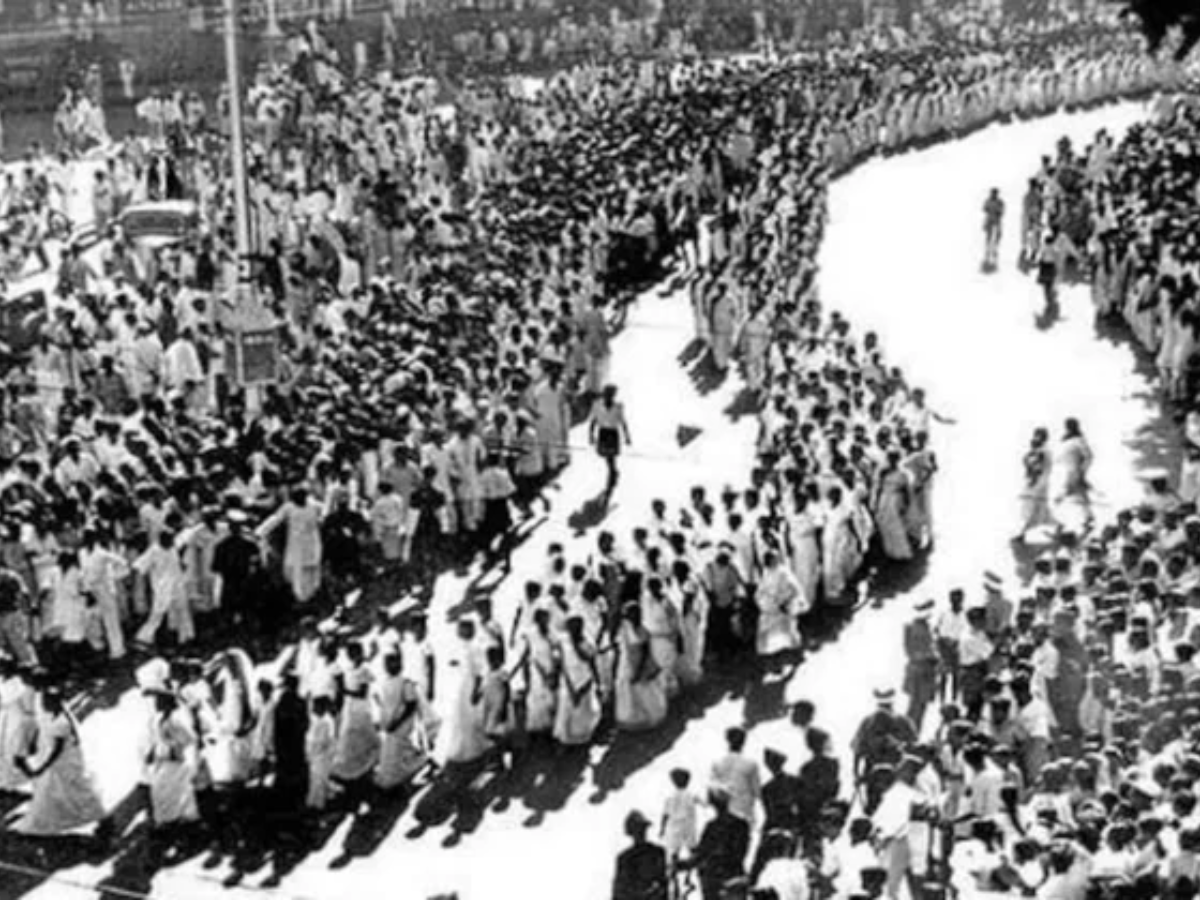
The Quit India Movement spread to villages and towns across India.
Bihar saw fierce protests; Bengal faced railway sabotage incidents.
In Maharashtra, workers went on massive strikes.
Every region contributed its chapter to the resistance.
Legacy of August Kranti Diwas
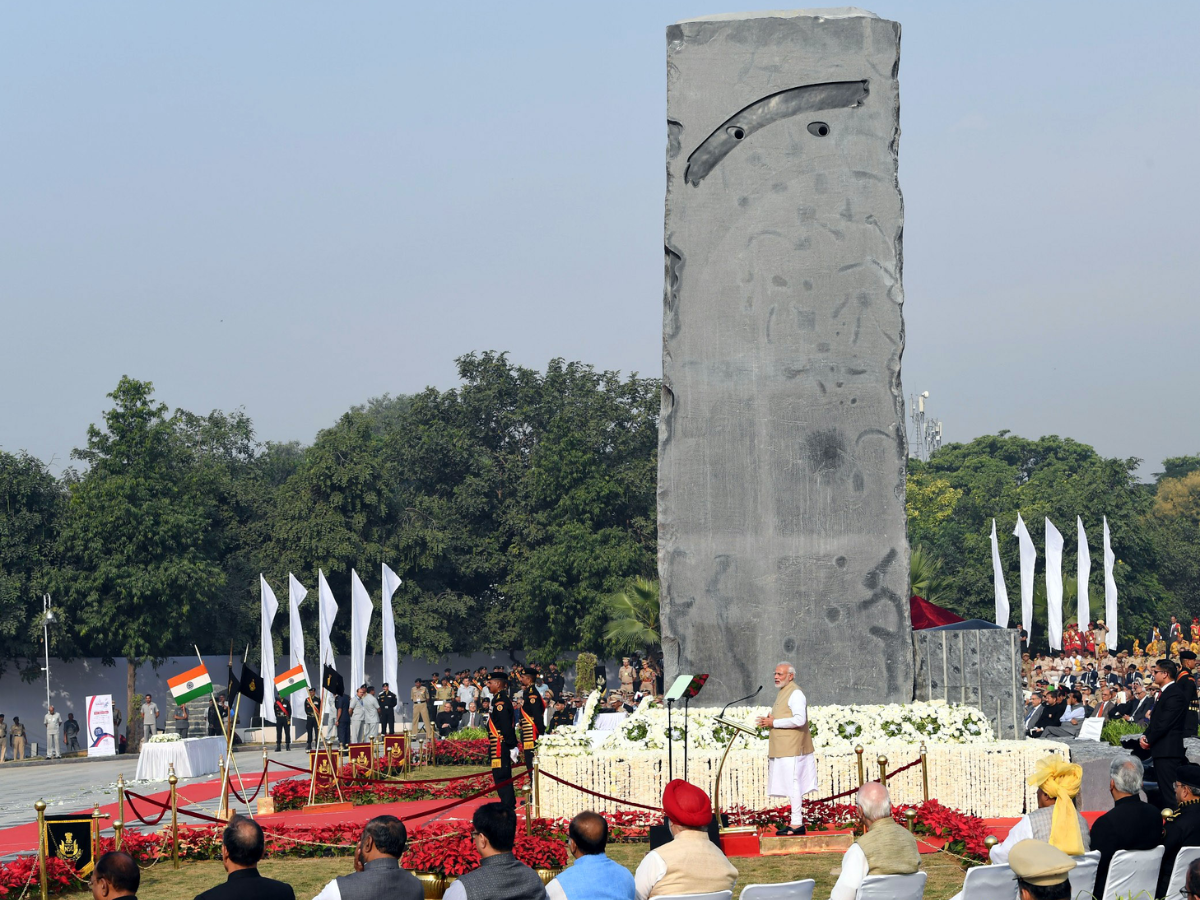
Today, August Kranti Diwas is observed to honour those sacrifices.
It serves as a reminder of India’s collective struggle against colonialism.
Schools, institutions, and leaders commemorate the day nationwide.
The spirit of “Do or Die” still inspires justice movements.




