Celebrating National Handloom Day: A Tapestry of Culture and Tradition
On the 7th of August every year, we celebrate the National Handloom Day, a day to appreciate the richness of the industry of handlooms in India and the handloom weavers who have nurtured the skills of traditional weaving through the years. It is celebrated to commemorate the Swadeshi Movement of 1905, which promoted local goods and handlooms that they referred to as a symbol of self-help and nationalism. An Indian handloom is not the cloth into which it is spun, or rather the art and custom which goes with it: the divergence of culture and craft, the lessons it could convey, the superiority of each. Be that the homely Kanchipuram silks of Tamil Nadu or the intricate Jamdani of Bengal, all weaves are the narration of origins, as well as know-how. It is a means of showing an appreciative nod to such timeless art forms as well as to those whose presence maintains it through skill, diligence, and tradition through the protection offered in the National Handloom Day.
This list introduces you to some of the various and unique handlooms around India.
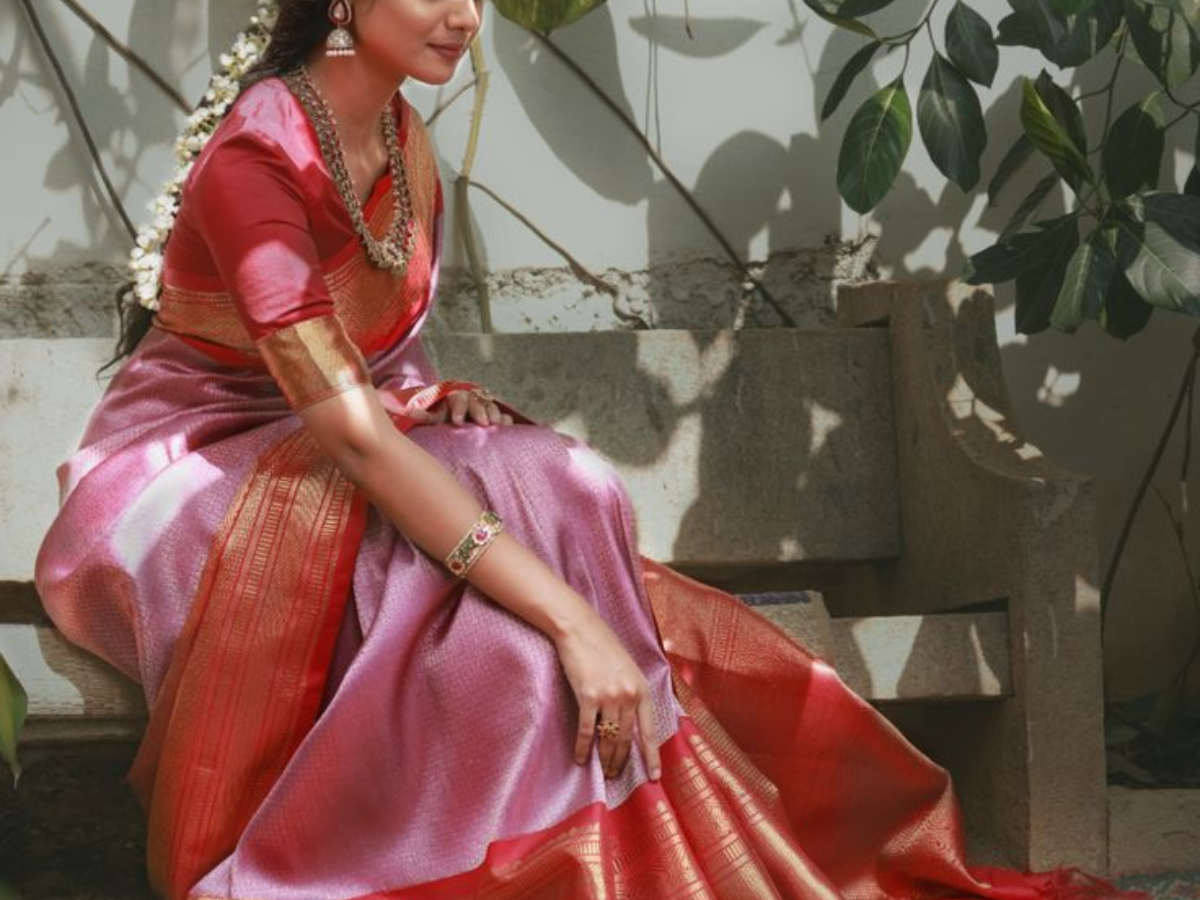
Kanjeevaram Silk Saree
Origin state: Tamil Nadu.
It is one of the costliest hand-woven silks.
The garment is named after the city of Kanchipuram on where the item is produced.
The material is shiny, and the zari work is provided.
The costly sarees are designed using gold threads.

Chanderi Fabric
Origin state: Madhya Pradesh.
It is a conventional saree referred to in numerous Hindu mythological literature.
There are three kinds of Chanderi fabrics: one with silk, one with cotton, and the other with both silk and cotton.
On account of its lightness and gauzy aspect, it is also styled the ‘woven air’.

Muga Silk
Origin home: Assam.
Muga silk is the golden fibre restricted to Assam only.
This silk is strongly durable in texture, very fine, and the colour of this silk is naturally yellow.
This cloth can be washed, and as it is washed, the lustre of the cloth keeps on growing.
Muga would be used in the form of Mekhela-chador, the Assamese women's clothing.

Bandhani
Pathan State of origin: Gujarat.
It is a tie and dye kind of cloth that comes in vivid colours, e.g., yellow, red, blue, black, etc.
The local Khatris of Gujarat produce this cloth.
Another notable characteristic in this fabric is the presence of dots that are liquefied in different patterns and styles in a light colour.

Kosa Silk
Origin state: Chattisgarh.
Desi Tussar silk sarees are referred to as Kosa silk sarees in Sanskrit.
Kosa silk is stronger than raw silk and can be extracted using particular breeds of the silkworm whose cocoon can be extracted from Sal trees and Arjun trees.
One saree can last five days.
Kosa silk is the highest-producing region in Champa and Korba in Chhattisgarh.