
Hiroshima And Nagasaki: 80 Years Later, A Photographic Tribute To Destruction, Survival And Peace
Marking the 80th anniversary of the atomic bombings, this photo gallery offers a powerful visual narrative of Hiroshima and Nagasaki, capturing their journey from vibrant cities to smoldering ruins and, eventually, to global symbols of peace. Through ten thematic sections, the gallery contrasts life before and after the bombings, cityscapes turned to wastelands, schools destroyed, survivors scarred, and nature scorched. Yet it also highlights resilience: rebuilt infrastructure, regrown trees, revived daily life, and enduring memorials. These side-by-side images remind us not only of the horrors of war, but of humanity’s unyielding spirit to heal, remember, and rebuild.
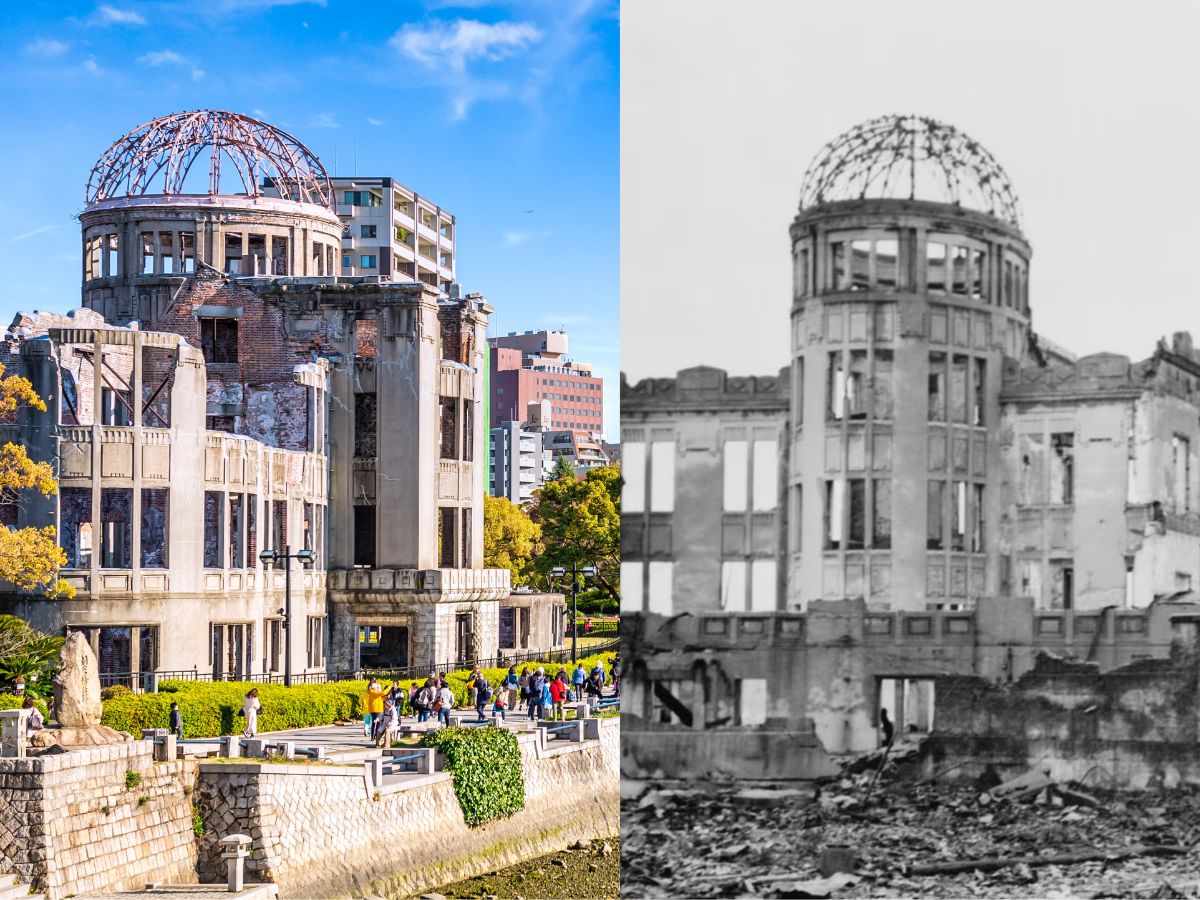
Cityscapes To Ground Zero
Hiroshima and Nagasaki were peaceful cities with houses, schools and shops before the bombs. However, with August 6 and 9, 1945, the same regions turned into large wastelands. Neighborhoods were completely leveled and there was nothing but the skeleton of buildings that was left. The ash and smoke substituted streets and skies. The drastic contrast between the Before and the After frames reveals not only the level of damage but the contrast of the way things have changed in a second: urban reality swept away. These are some of the most compelling visual documents of nuclear annihilation of all time.
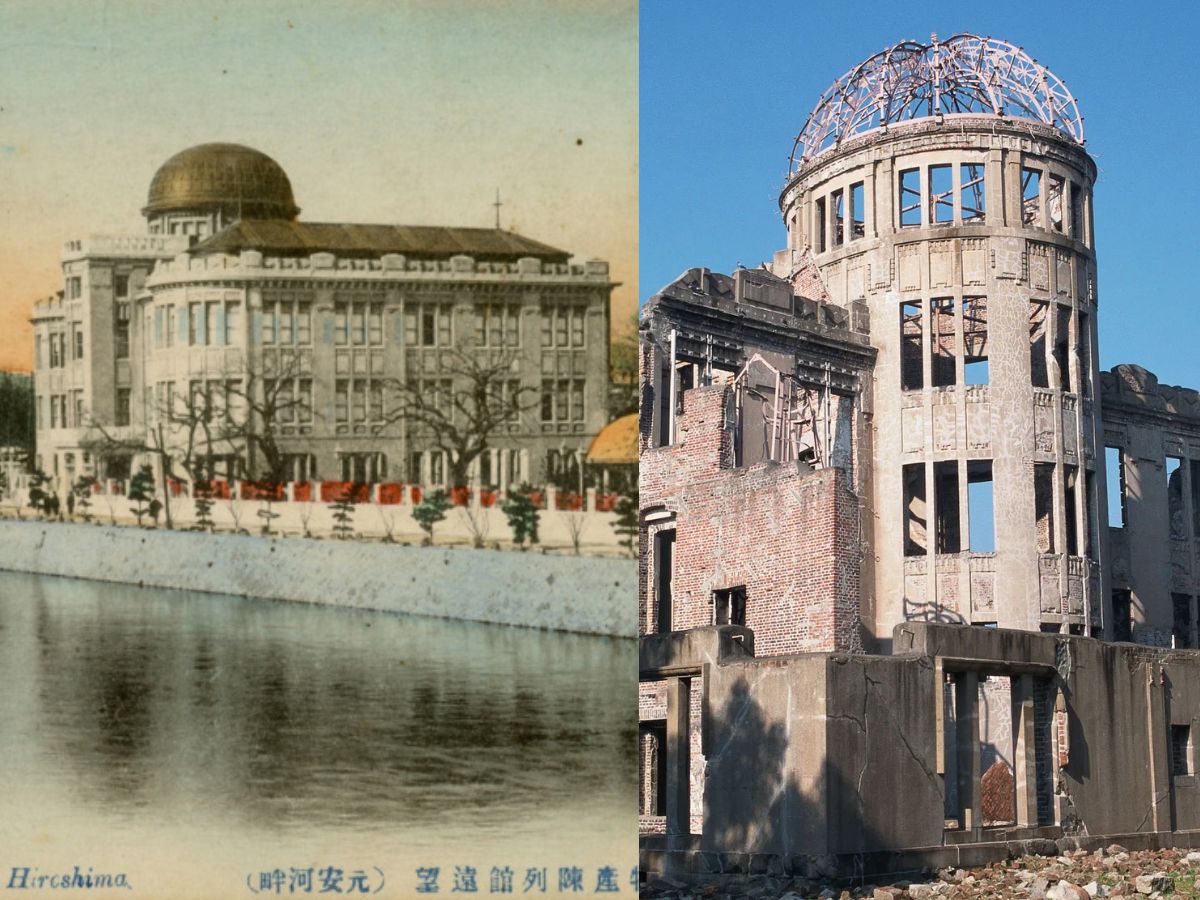
Iconic Landmarks Destroyed
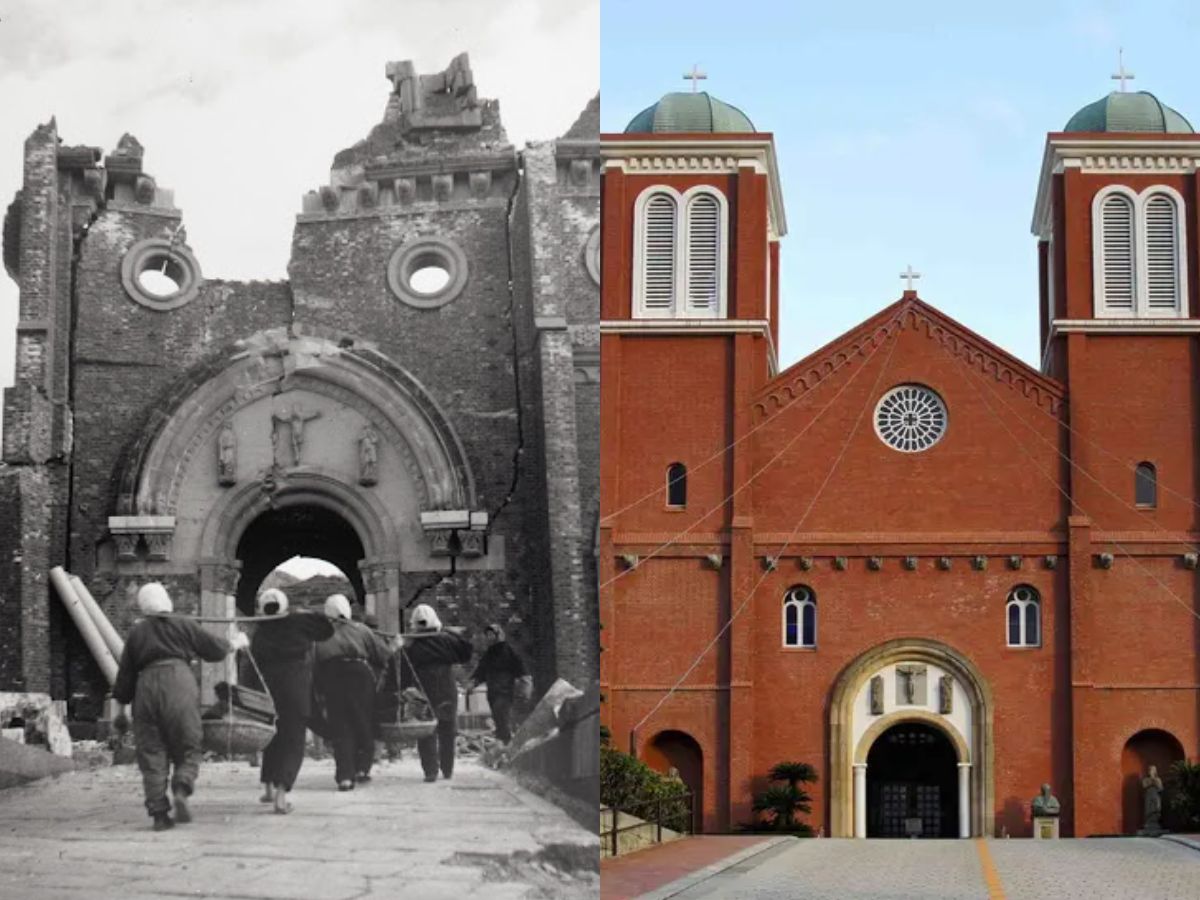
The architectural pride was translated into a state of rubble in the atomic bombings. The Prefectural Industrial Promotion Hall of Hiroshima now known as the Genbaku Dome stood as one of the few incomplete structures left standing and is a ghastly ruin at that. Urakami Cathedral, at one time the biggest Catholic church in Asia was destroyed in Nagasaki. Both the loss of human lives and the memory of history are represented by these landmarks which were photographed before and after the attacks. Their ashes have since formed peace monuments that can be described as a reminder of how devastating war can be on not only life but heritage, religious beliefs and identity instilled in brick and stone.
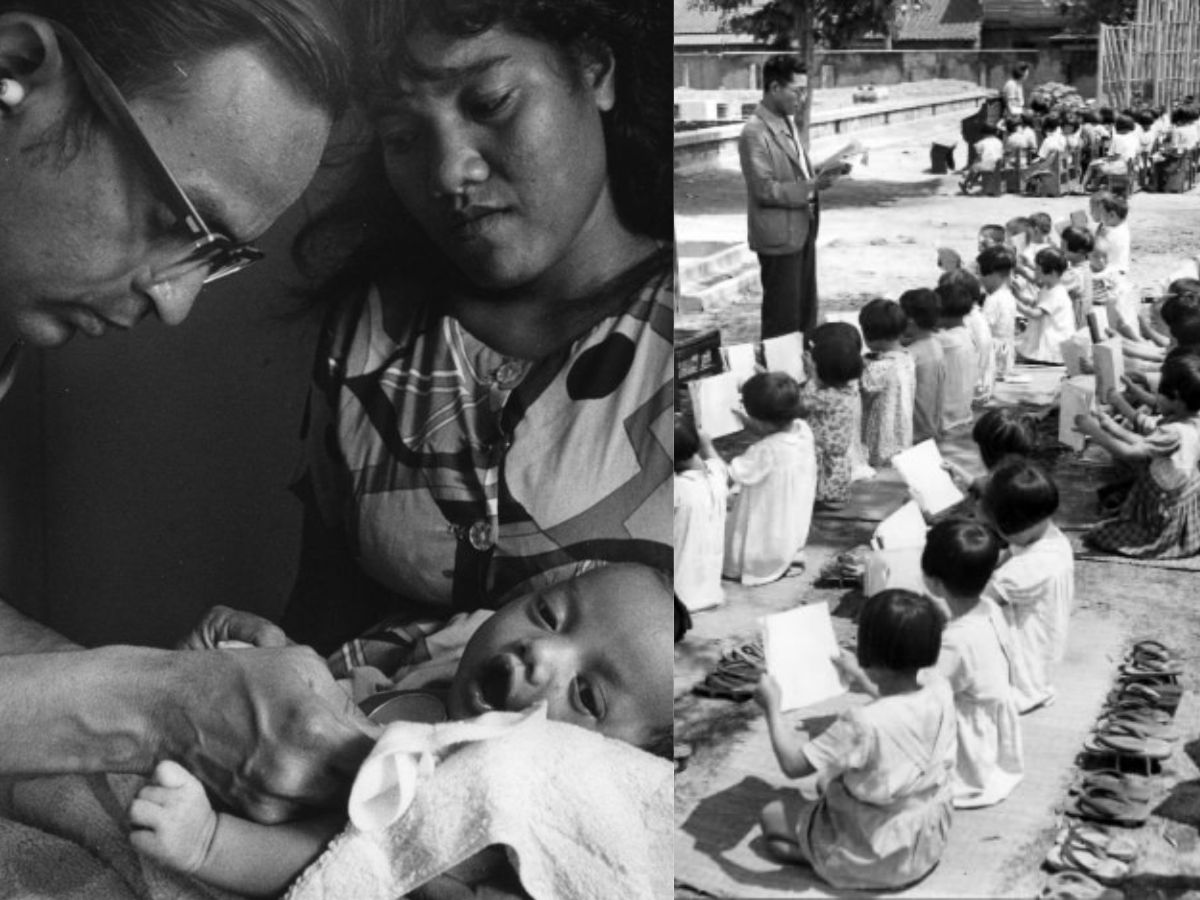
Schools, Children & Lost Futures
The photographs of school buildings prior to the bombings depict such common sight: school uniformed students, blackboard lecturers, and laughing children playing on playgrounds. The ‘after’ pictures have a different story to relate-scorched walls, caved in roofs and tranquility where people used to live. Defenseless children were vaporised or catastrophically mutilated in thousands. Their personal things, lunchboxes, shoes, books, were found among the ruins, and are kept now resting in peace museums as a witness. These juxtaposed photographs not only remind the audiences of physical devastation, but also of the robbed future of an entire generation. They summarize the drama of innocence as riddled by political choices.
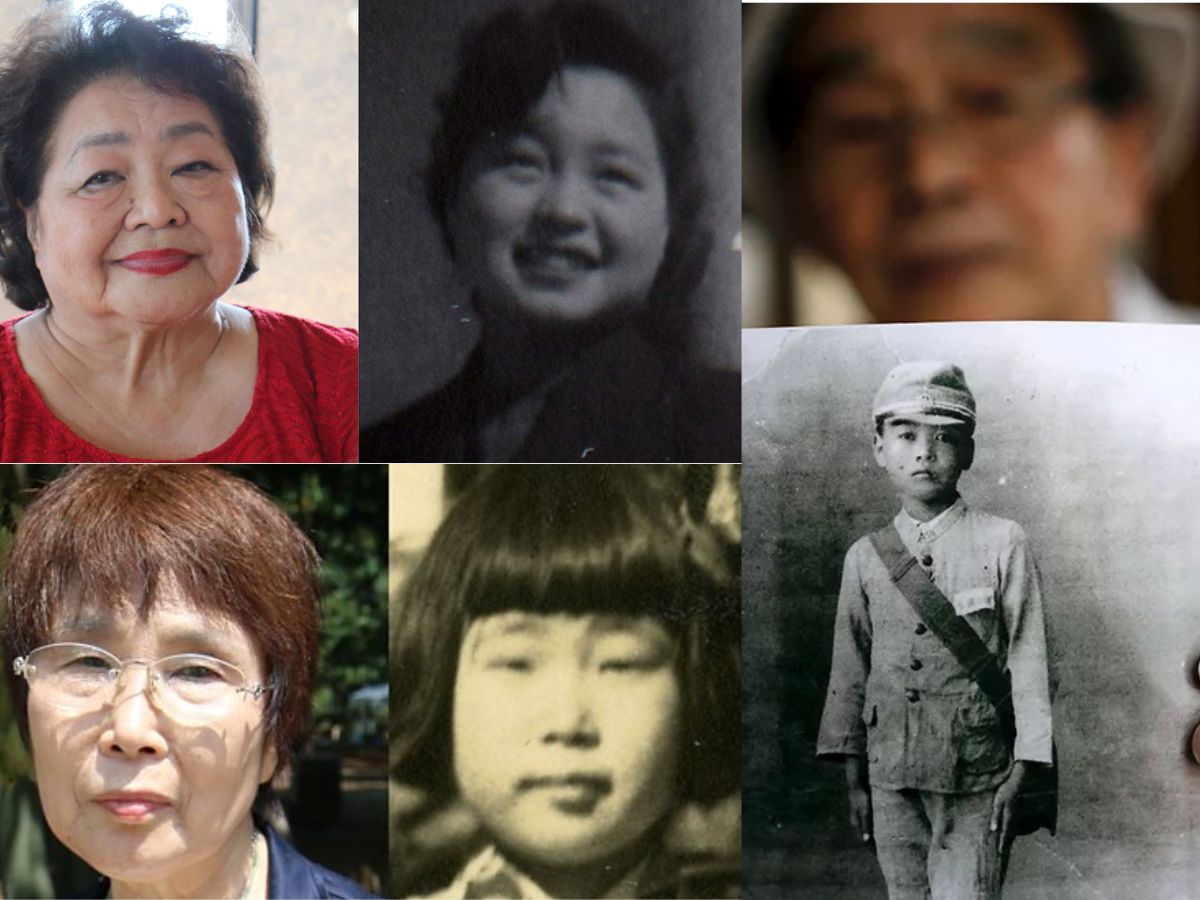
Human Toll: Faces of Survival
Victims: An excruciating example of the human cost of Hiroshima and Nagasaki is in the form of portraits of survivors. Most of them were leading normal lives- people would be students, workers, shopkeepers before the bombings. They were left with keloid scars and radiation sickness as well as psychological trauma afterward. Images of burning skin and haunted eyes trace the suffering Yoshito Matsushige and Joe O;Donnell capture in their photos, and a quiet strength is evident. These faces grew and decades later became strong voices of peace. The then-and-now comparisons reproduce a transformation of the sufferings into criminal activism, individual disaster into historical memory. Such portraits make sure that the cities could maybe reconstruct their buildings but human scars are a somber reminder of the nuclear warfare.
Nature’s Resilience
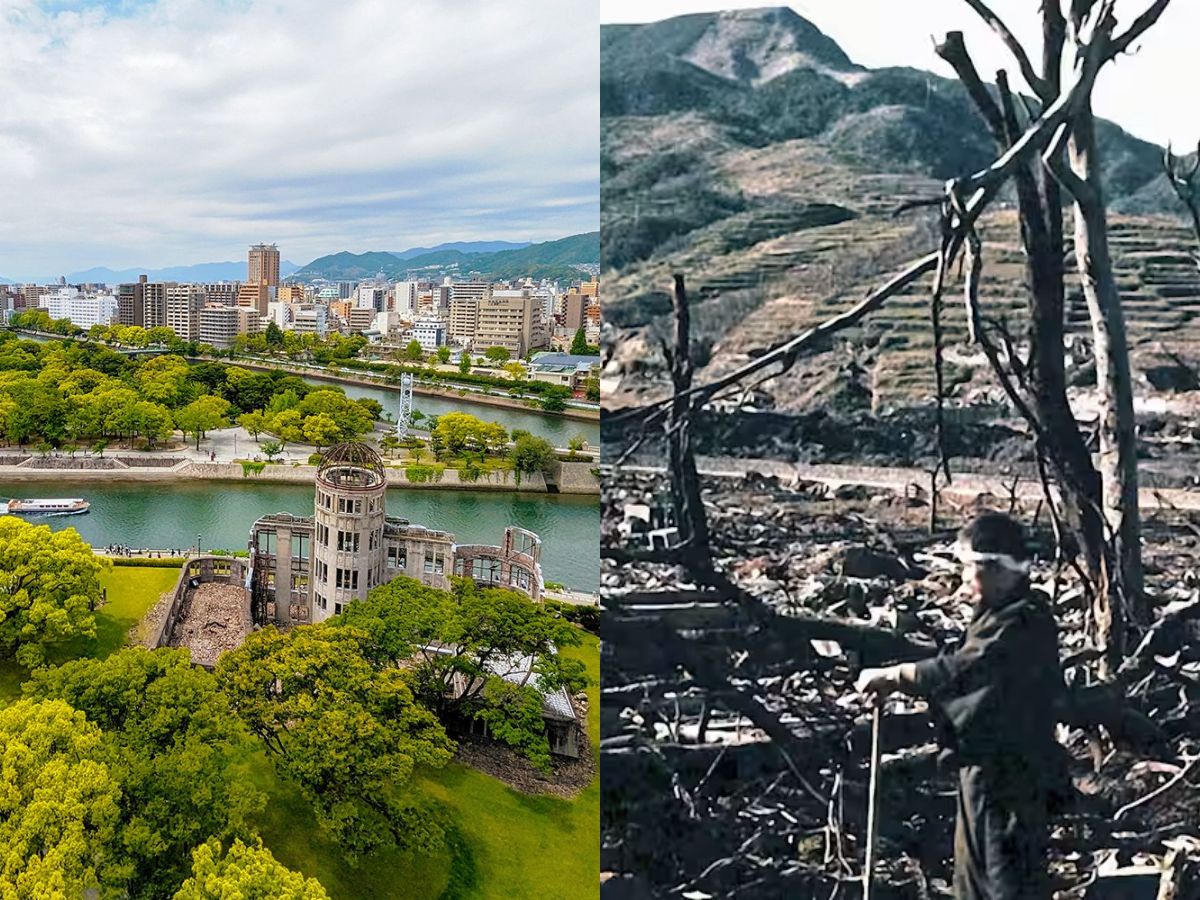
The atomic explosions brought green lands into waste lands. Images of burnt trees, flattened parks and polluted rivers can be seen. However, with the passage of the years, the scorched earth started to be reclaimed back to nature. The cherry blossoms blossomed, grass grew through cracks and trees such as the famous Hiroshima tree, “A-Bomb Tree”, recovered and grew. This renovation can be shown in side-by-side photographs. Life goes on and these natural regrowths become tokens of hope, as despite the devastating destruction in front of our eyes, something grows again as well. Environmental resilience is a visual metaphor representing healing, and it provides a gentle, but subliminally loud foil to the viciousness of human conflict.
Rebuilding from Rubble
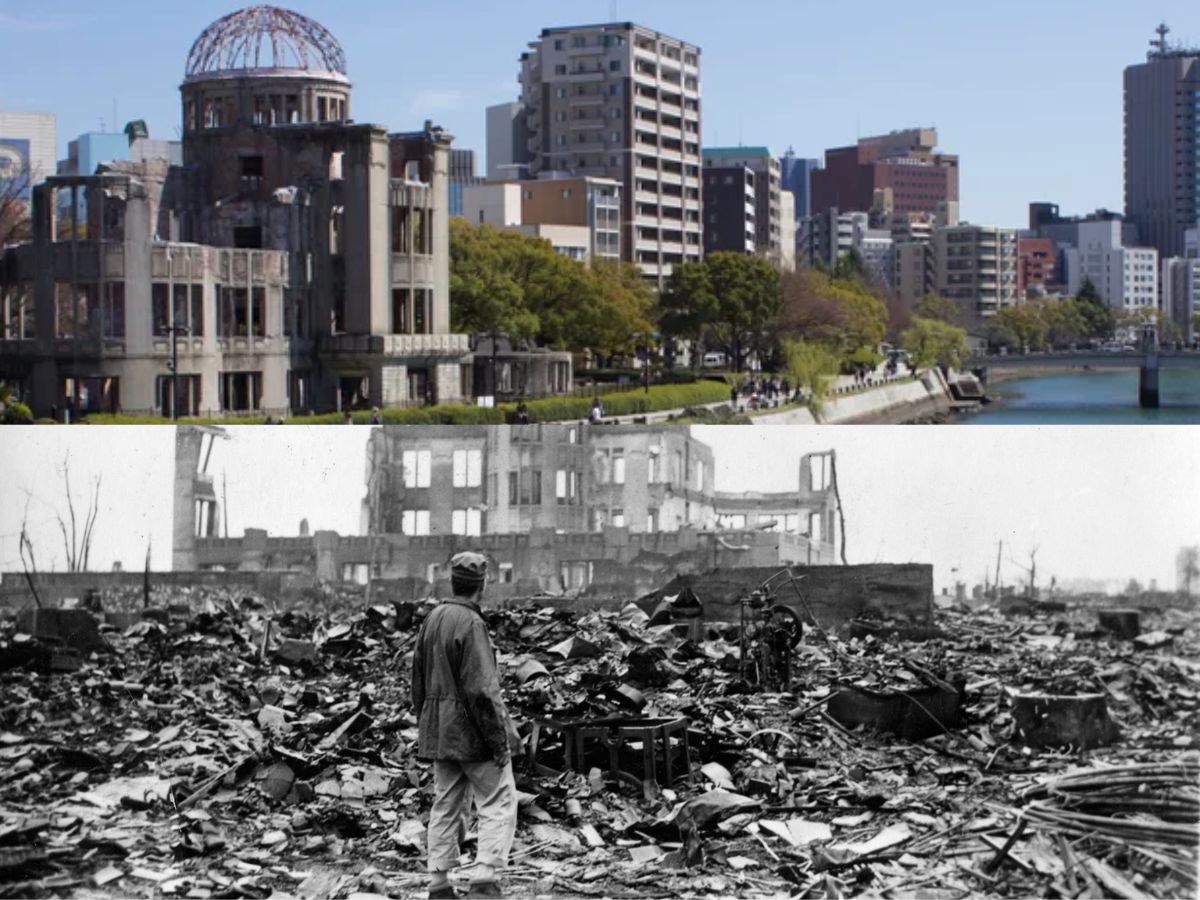
Hiroshima and Nagasaki were almost deleted off the map after the bombs. However, within some years, the reconstruction started. Photos of the rebuilding process of the same locations such as railway stations up to bridges depict the gradual process, although thorough, of reconstruction. The road clean-up was carried out, underpinnings were replaced and houses literally grew out of the ashes. The images that are taken are stunning changes. The once-ground zero looks blithely like a busy city again with schools and shops and civil life. Such pictures are not merely records of how architecture was salvaged, they are a record of national perseverance, spirit, national resolve and how mankind refuses to be forever broken after a tragedy.
Daily Life Interrupted & Restored
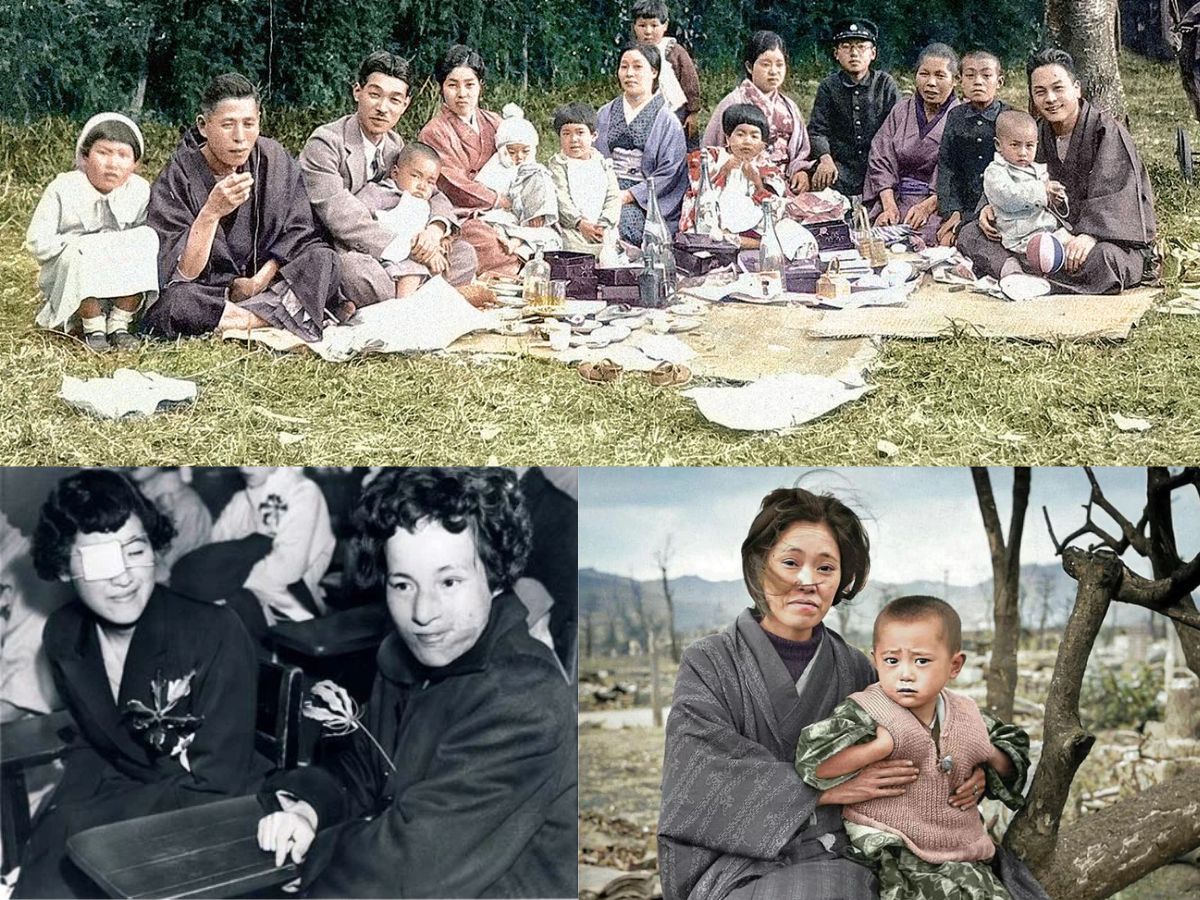
In Hiroshima and Nagasaki, before August 1945, the everyday lives of its inhabitants were essentially the same as anywhere else-there were people shopping, children playing, families in the streets. Images after bombing indicate that that rhythm is totally lost, the streets are littered with debris, people roam around in shock and emergency aid tents take the place of houses. Life slowly came back to life. Markets opened and people went to schools and back to work. The visual contrasts bear pictures capturing the disturbance and the silent strength of waiting. The resurgence of normalcy against the unimaginable horror has become one of the most capturable tales of healing in history through the use of photography.
Memorials & Peace Parks
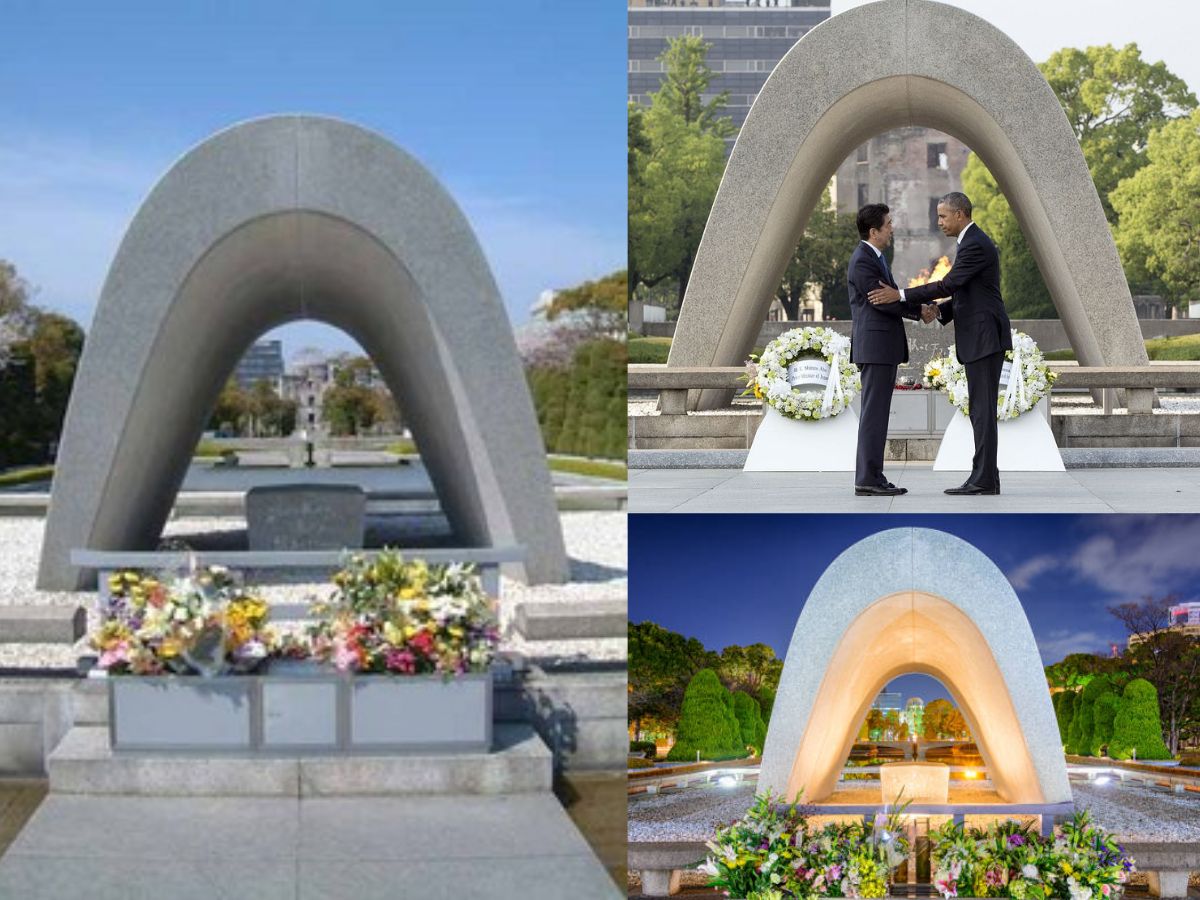
Hiroshima and Nagasaki ruined cities were not only restored--they became symbols of world peace. The archival photography features the building process of the Hiroshima Peace Memorial Park, the Nagasaki Peace Park, and other recollective places, in which people tend to gather every year in order to remember. The before images are destroyed, the after images depict kids ringing peace bells, tourists leaving flowers and there are doves released into the sky. The places are the museums made to live and an interconnection of memory and education. The galleries bring into minds that these cities that once experienced inconceivable destruction have turned into the voices of nuclear disarmament and global remembrance.
Religious Sites in Ruins
The atomic explosions did not spare temples, shrines and churches. Pictures of peaceful places of worship- the places that communities used to meet- are shown before. The images after images depict fallen statues, fallen altars, and burnt prayer scrolls. The burning of the Urakami Cathedral in Nagasaki was very emotional because the Christian religion had been fighting to survive there. These images do not just refer to the loss digitally but the spirit is devastated as well. However, in most of these locations the same interest groups have redeveloped the sites. The photo combinations form the evidence of the fact that the permanent necessity in faith, ritual, and community healing still remains, even after the end of the world.
Then vs Now: A Time-Lapse of 80 Years
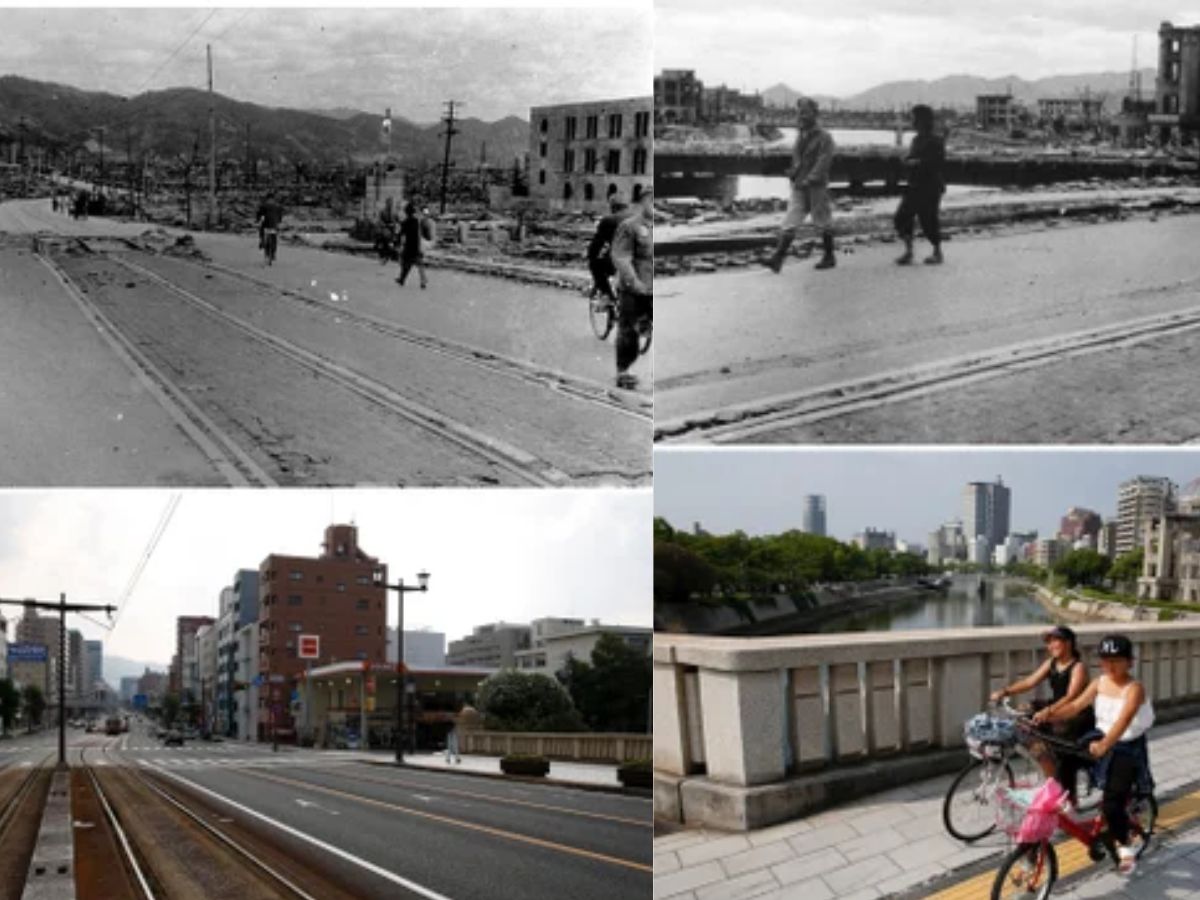
This theme is united by panoramic recreations of certain places that were shot before bombing, after bombing, and nowadays. It is a forceful time-lapse of traumatization, healing and regeneration. Hiroshima and Nagasaki Watch viewers are able to watch sites which were ground zero at the time of strike including Aioi Bridge or the hypocenter and watch that ground zero develop over the decades what was destroyed coming back to life. These sequences emphasise how much has changed, and still, how memory is present in architecture and atmosphere. The juxtapositions enable viewers to understand time passing not only as history but as a transformation experienced by people experiencing those spaces that were once places of death to the temples of peace and international communication.




