
In Pics: 5 National Parks In North East You Should Plan To Visit
The North East of India is a true biodiversity hotspot, blessed with a wide range of altitudes, climates, and ecosystems that support an incredible variety of flora and fauna. From the lush tropical rainforests of Arunachal Pradesh to the grasslands of Assam, the region is home to several rare and endangered species, including the one-horned rhinoceros, red panda, Hoolock gibbon, and clouded leopard. Its national parks are not only scenic and serene but also vital for conservation. The rich tribal culture, pristine landscapes, and low human interference make the North East a treasure trove for wildlife enthusiasts and eco-tourists alike.
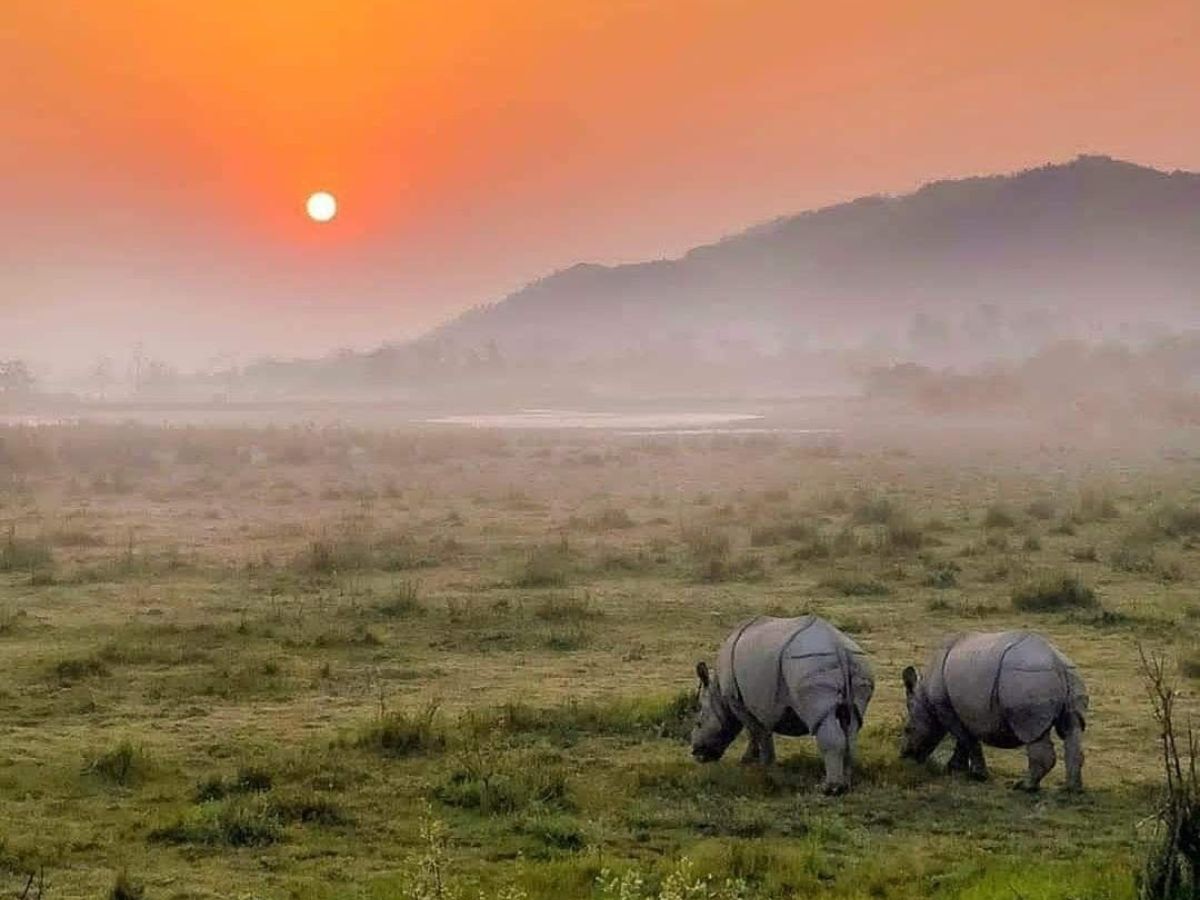
Kaziranga National Park, Assam
A UNESCO World Heritage Site, Kaziranga hosts the world’s largest population of one-horned rhinoceroses. Located in the Brahmaputra floodplains, it also shelters tigers, elephants, swamp deer, and 450+ bird species. Its diverse landscape of grasslands and wetlands makes it a premier destination for wildlife lovers and conservation enthusiasts.
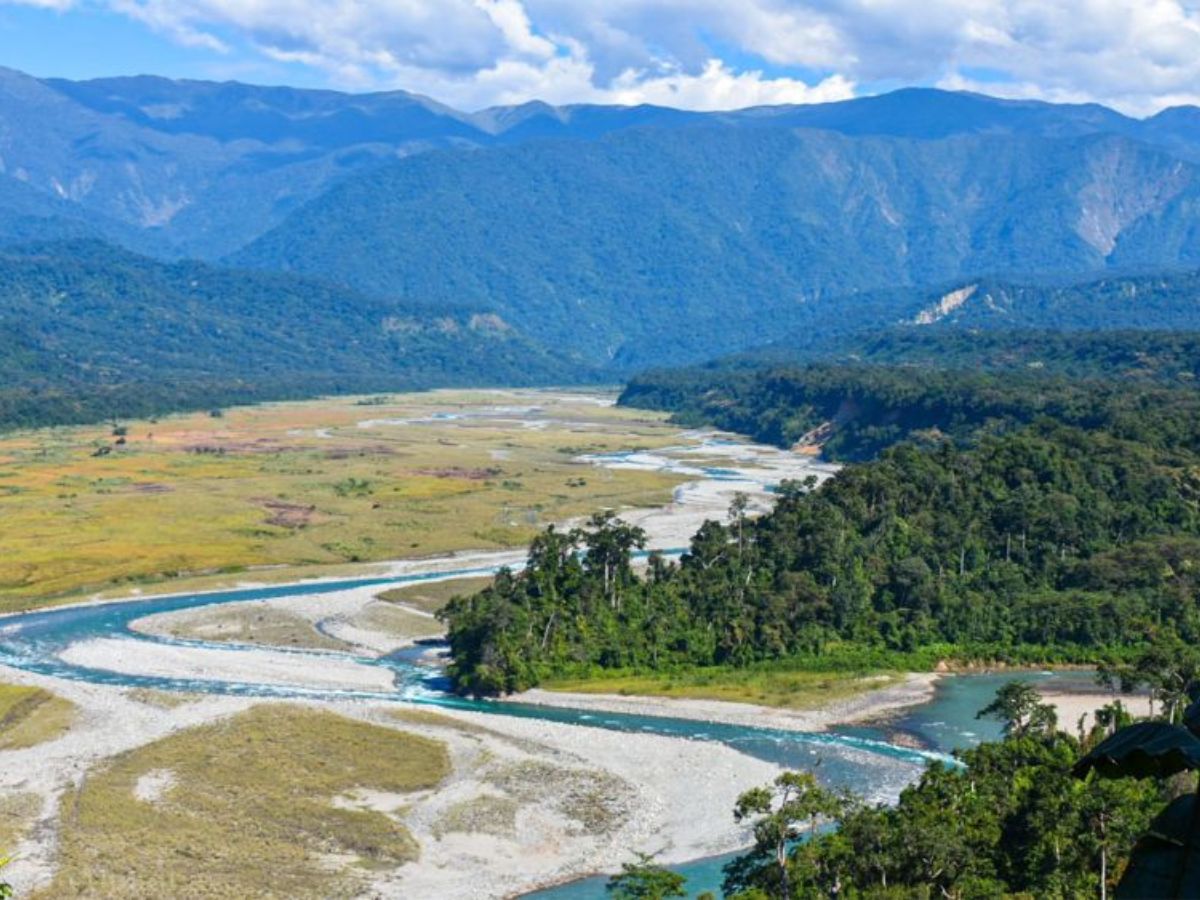
Namdapha National Park, Arunachal Pradesh
India’s easternmost and third-largest national park, Namdapha is a biodiversity hotspot. It is the only park in the world where all four big cats—tiger, leopard, snow leopard, and clouded leopard—are found together. Located in the Eastern Himalayas, its terrain ranges from tropical forests to alpine meadows. The park is a haven for botanists, bird watchers, and trekkers, offering raw, untouched wilderness that few other parks can match.
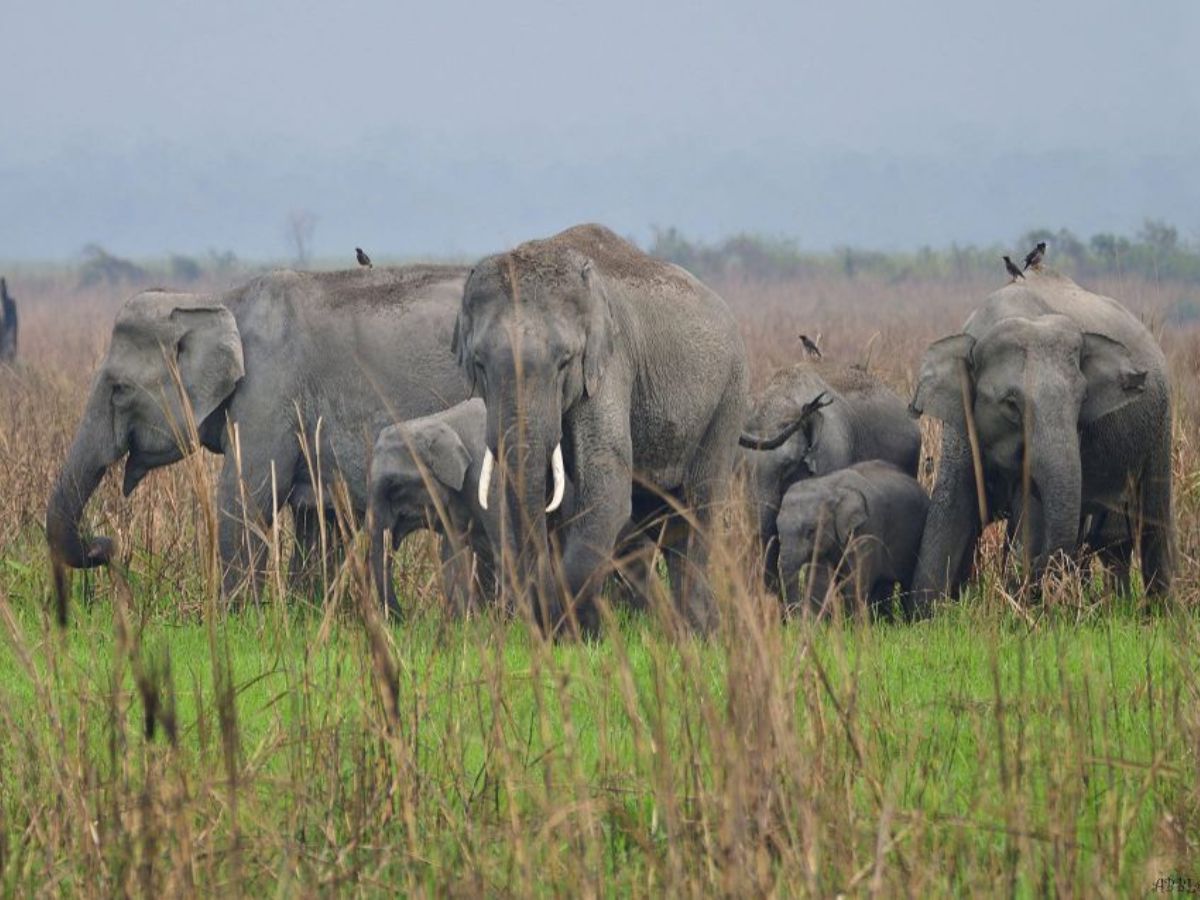
Manas National Park, Assam
Manas is a UNESCO World Heritage Site, a Project Tiger Reserve, an Elephant Reserve, and a Biosphere Reserve, all in one. It’s known for its rare and endangered species like the golden langur, pygmy hog, and hispid hare. Nestled at the base of the Bhutanese Himalayas, the park features a unique blend of grasslands and forests, offering scenic landscapes and rich biodiversity.

Keibul Lamjao National Park, Manipur
This is the only floating national park in the world, located on Loktak Lake. It is the last natural refuge of the Sangai deer, also called the "dancing deer", which is critically endangered and deeply symbolic to Manipur's cultural identity. The park’s floating biomass, called phumdi, creates a surreal, otherworldly ecosystem unlike any other in India. It is both a conservation marvel and a symbol of how traditional communities can live in harmony with nature.
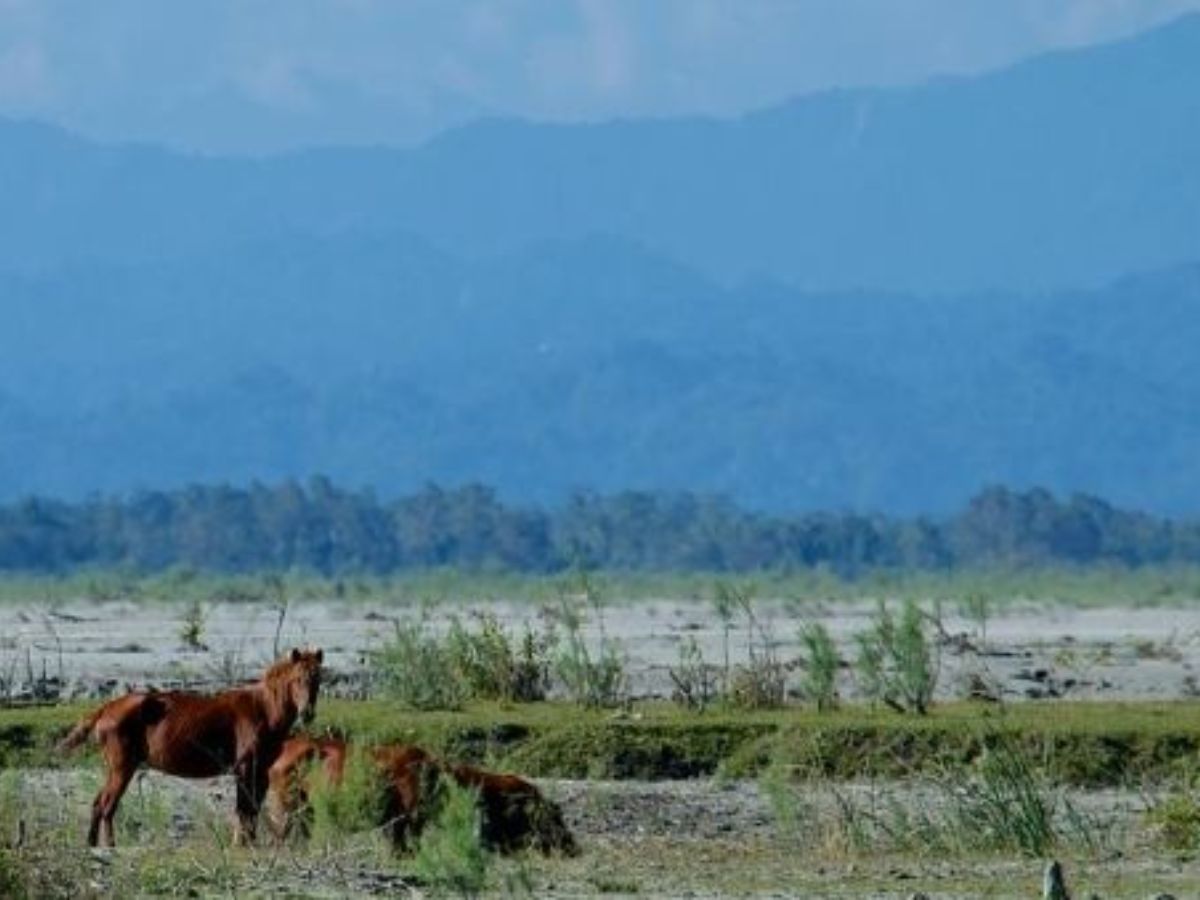
Dibru-Saikhowa National Park, Assam
Dibru-Saikhowa stands out for its riverine and wetland ecosystem, making it one of the best places in India to spot river dolphins. It’s also a BirdLife International Important Bird Area (IBA), attracting migratory and endemic birds, including the white-winged wood duck and Bengal florican. The park supports unique swamp and grassland habitats and is perfect for quiet boat safaris, eco-camping, and birdwatching away from the tourist rush.




