
Once Glorious, Now Gone: 7 Lost Indian Cities That Vanished Without A Trace.
India’s past is filled with the echoes of magnificent cities that have faded into obscurity. From the mythical submerged city of Dwarka to the sophisticated Indus Valley settlements of Lothal and Kalibangan, these seven lost cities were once thriving hubs of commerce, spirituality, and power. Cities like Vijayanagara and Fatehpur Sikri declined due to invasions and environmental shifts, while Poompuhar and Taxila were swept away by floods and conflict. Today, their silent ruins continue to captivate historians, archaeologists, and curious travelers with stories of ancient splendor.

Dwarka
Known as the "City of Lord Krishna," Dwarka is a legendary lost city in India mentioned in ancient Hindu texts, particularly the Mahabharata, as a grand city submerged after Krishna's death. Underwater excavations off Gujarat's coast have uncovered structures, stone anchors, and walls, indicating an advanced ancient settlement. While it's uncertain if this is the mythological Dwarka, the findings suggest sophisticated urban planning.

Fatehpur Sikri
Established by Mughal Emperor Akbar in the 16th century as his capital, this city showcases a remarkable fusion of Persian, Indian, and Islamic architecture. However, it was abandoned after just 14 years due to severe water shortages. Today, its preserved palaces, mosques, and courtyards remain as a ghost city, frozen in time.

Lothal
A prominent city of the Indus Valley Civilization around 2400 BCE, it featured one of the world's earliest dockyards and served as a major trading hub for beads, gems, and ornaments across Mesopotamia. With advanced drainage systems, warehouses, and paved streets, the city eventually declined due to shifting river courses and floods. Today, only ruins exist, providing valuable insights into early urban planning.

Taxila
Rephrased Text:
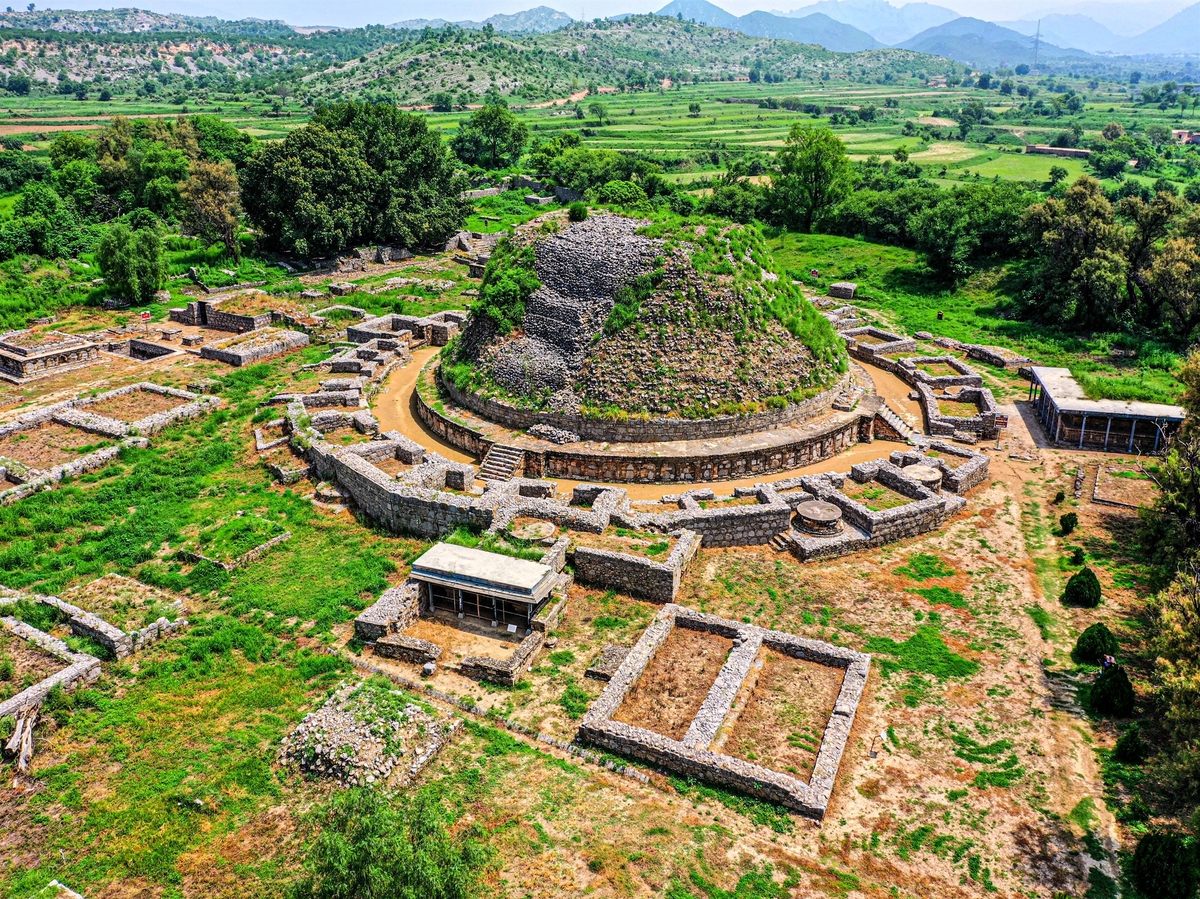
An ancient city that served as a hub of learning, trade, and Buddhist scholarship from around the 5th century BCE, it was home to one of the world’s earliest universities, attracting scholars globally. Although it thrived under various empires, it was ultimately destroyed by invasions, including those by the Huns in the 5th century CE. Today, it stands in ruins as a UNESCO World Heritage site, featuring significant archaeological remains.
Vijayanagara
Once the glorious capital of the Vijayanagara Empire in the 14th century, Hampi is renowned for its magnificent temples, palaces, markets, and advanced irrigation systems. After the Battle of Talikota in 1565, it was devastated by the Deccan Sultanates, leaving it in ruins. Today, Hampi is a UNESCO World Heritage Site, with much of its former splendor hidden beneath the sands of time.

Kalibangan
An important city of the Indus Valley Civilization, this site is located along the now-dry Ghaggar River and is recognized for its distinctive fire altars and early agricultural practices. It likely disappeared due to severe floods or changes in river systems, leaving behind excavation sites that hint at its former splendor.




