
Why India Is Blocking US Dairy Imports Over Non-Vegetarian Cow Milk?
India opposes US dairy imports due to cultural and religious beliefs against “non-vegetarian milk” from animal-fed cows, demanding strict certification amid ongoing trade negotiations.
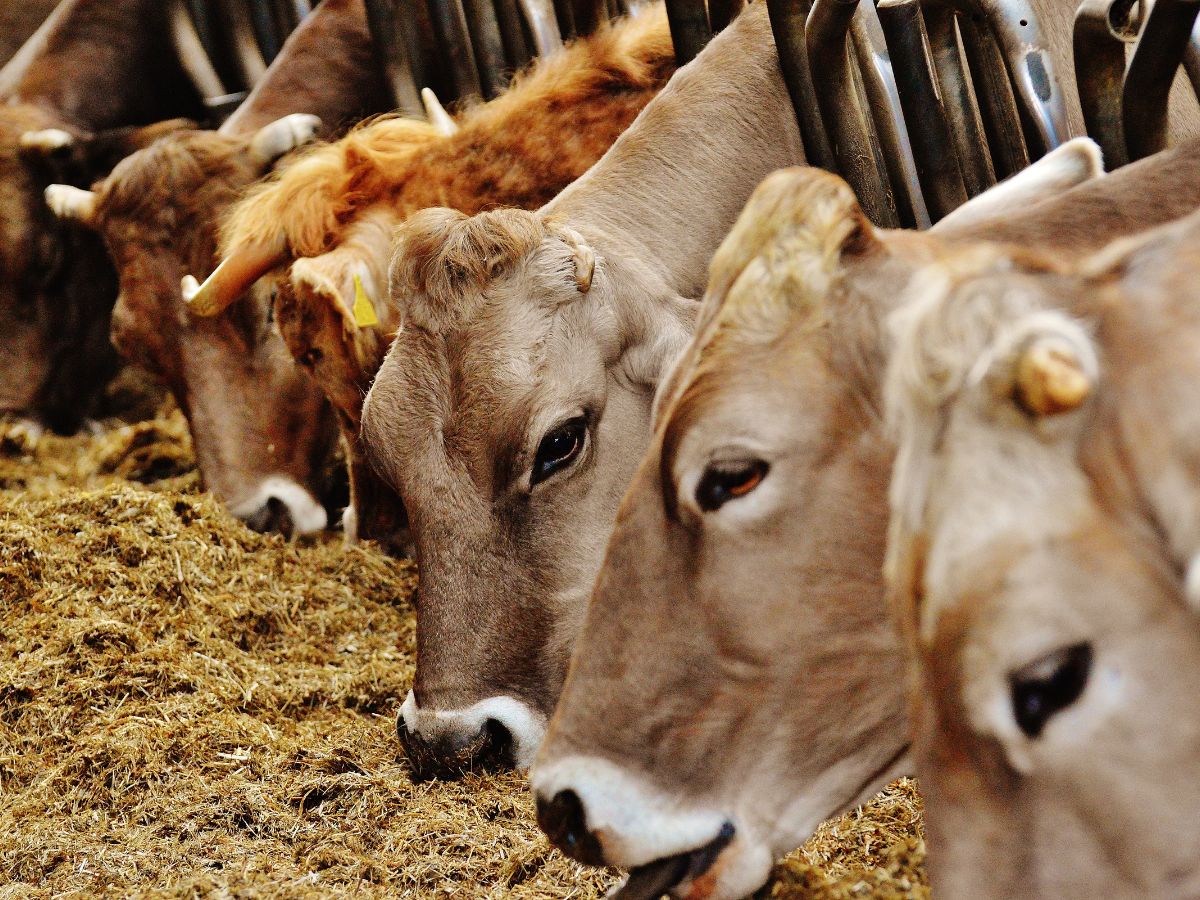
India’s Cultural Stand Against Non-Vegetarian Milk
In India, it is forbidden to bring in milk from cows fed animal products such as meat or blood due to a cultural and religious taboo. Such milk is deemed unfit for consumption, especially for rituals.
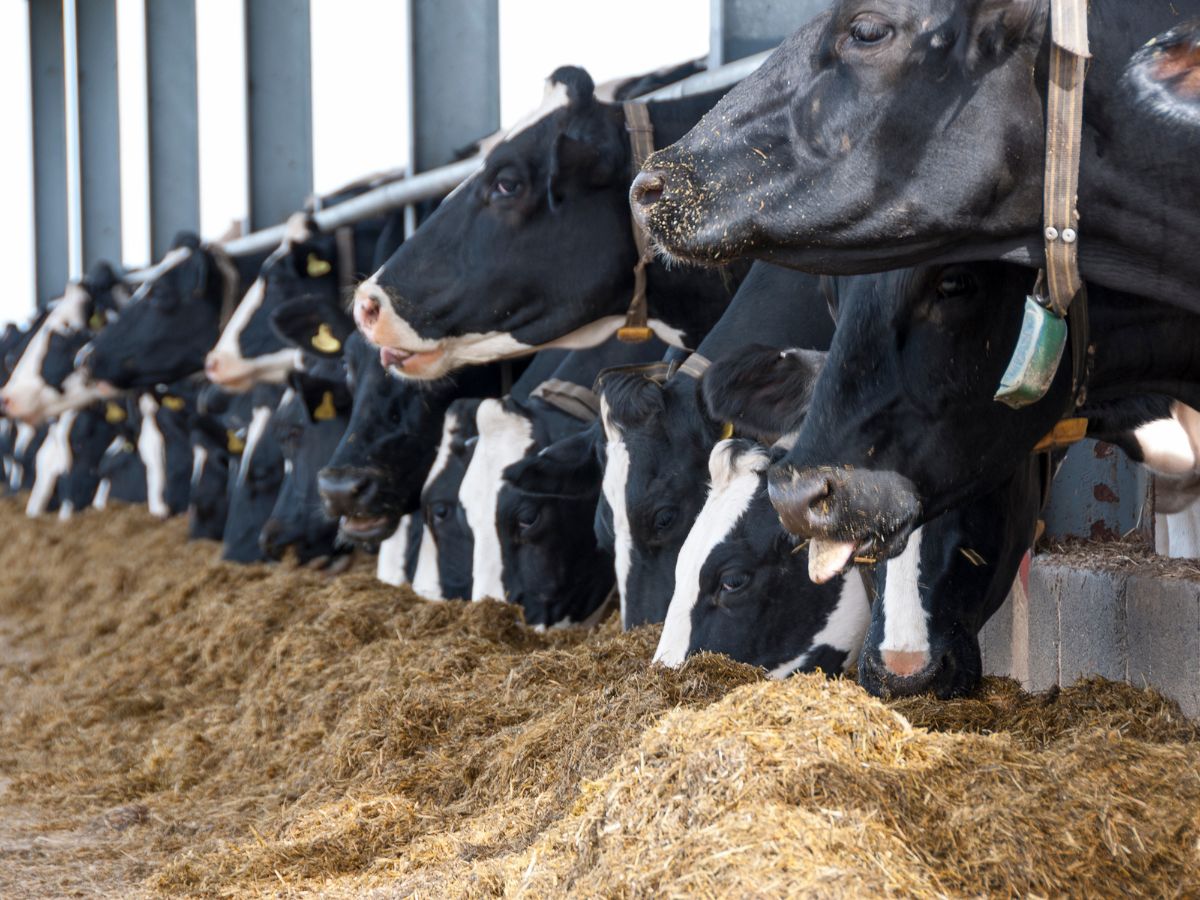
Strict Certification Is India’s Red Line
India also mandates certification that the imported dairy comes only from cows not fed with any non-vegetarian feed. This is an absolute non-negotiable and is considered by India as the proverbial “Laxman Rekha” in trade talks.
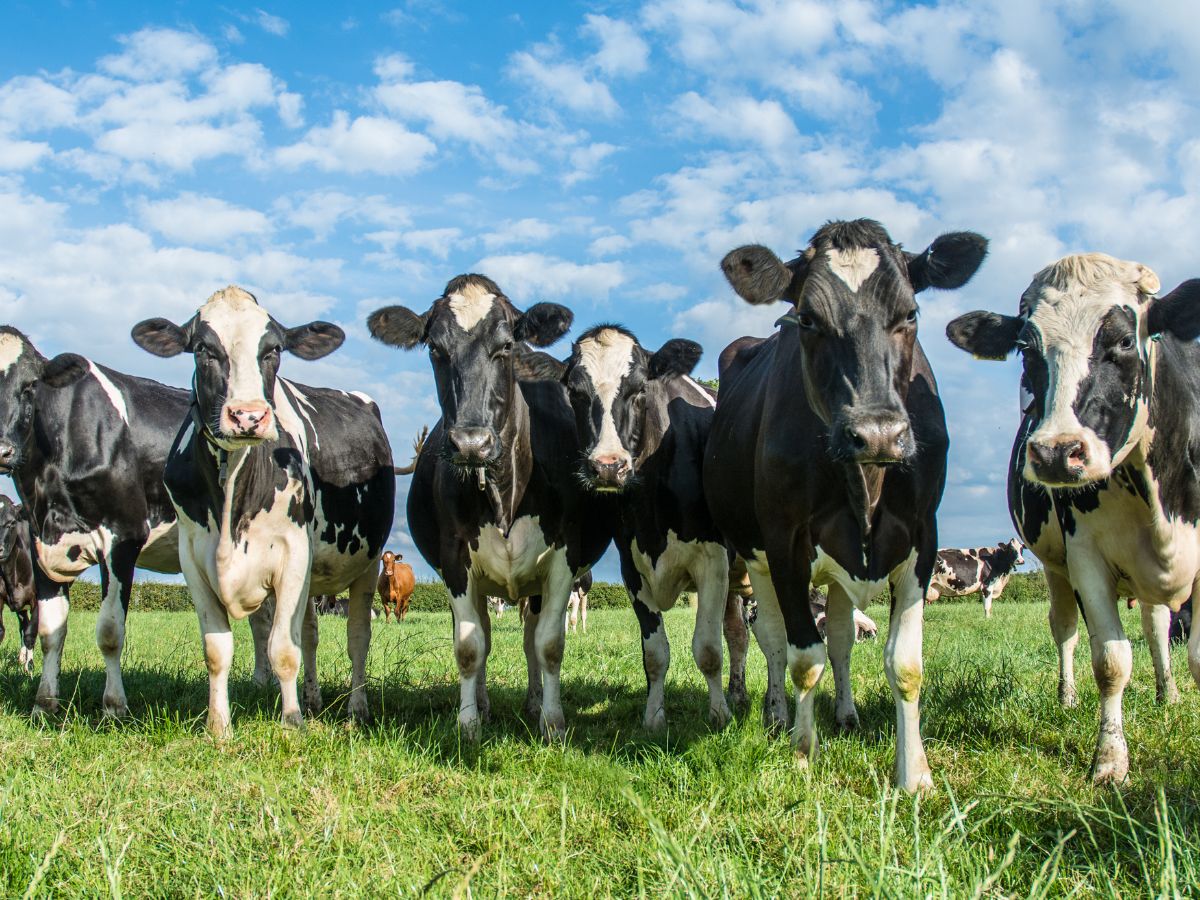
Massive Impact on Indian Dairy Farmers
India’s dairy industry has an estimated production worth ₹7.5–9Lakh crore and supports over 80 million people. This opening of the markets for US dairy may flood the markets with cheaper products, thereby adversely affecting the small farmers.
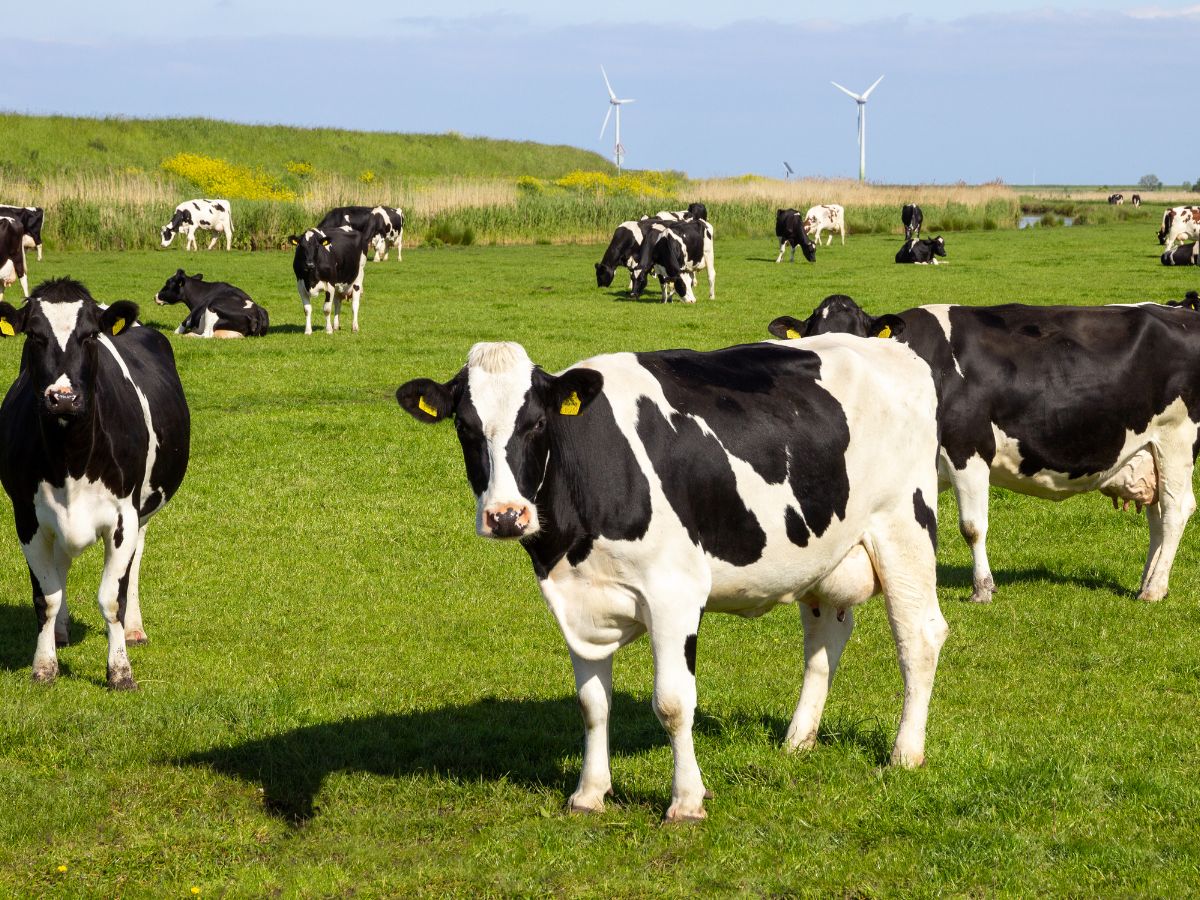
Behind Religious and Dietary Sensitivities
For many Indians, dairy products are not mere food but are used for spiritual rituals. The use of milk from cows fed on meat is a violation of dietary concerns and deep-rooted cultural sentiments.
High Duties and Safety Regulations in Place
The US contends that India is raising an unprecedented barrier to trade, while India maintains the stance that such protection should be accorded to its farmers and culture, even if it delays reaching the $500 billion mark in trade targets.

Disclaimer
This is for informational purposes only. It is based on publicly available sources and reflects cultural and policy perspectives involved in ongoing trade discussions. It does not represent any official government stance.




