
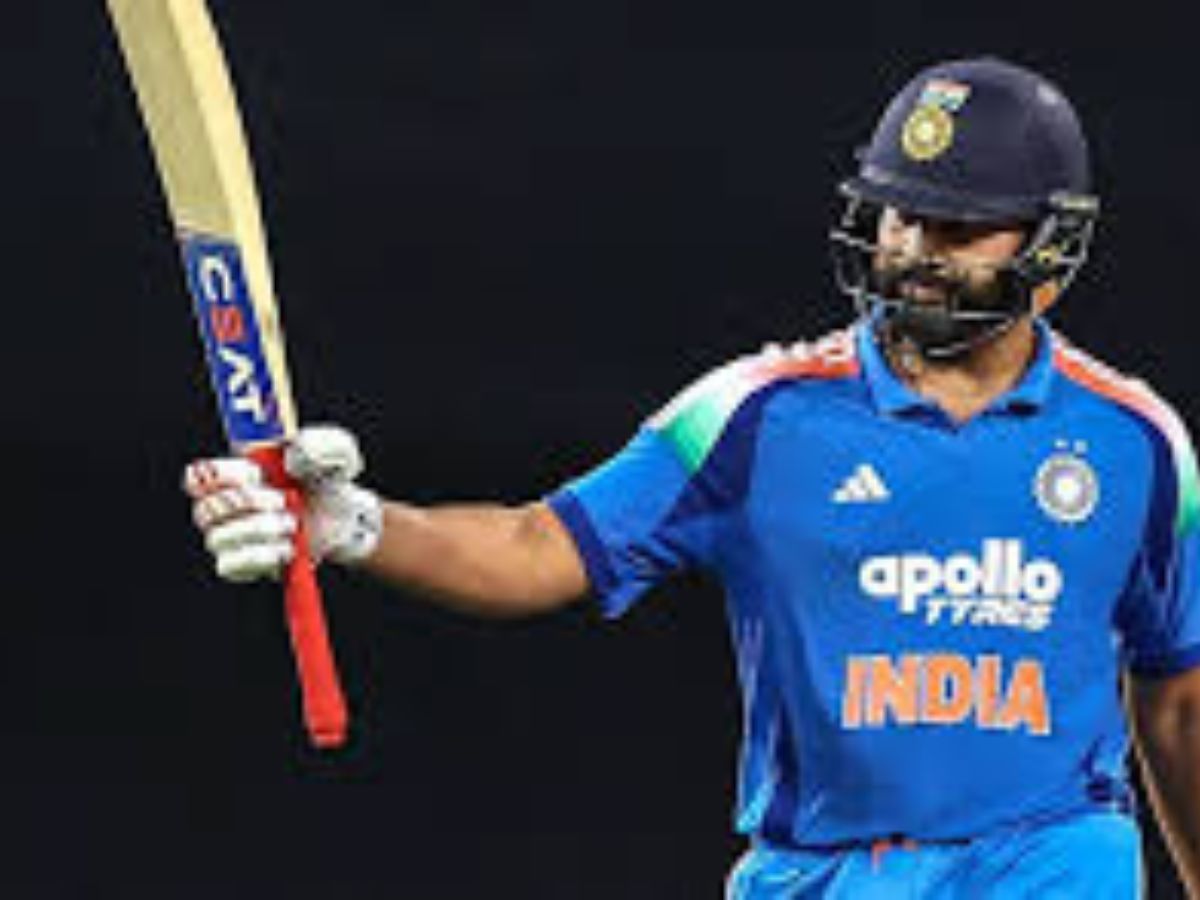

In One Day International cricket, the record for the maximum number of batters getting out via LBW in a single innings is quite a staggering number, which is nothing but a testament to the accuracy of the bowlers on the slow-turning pitches or seaming ones.
Top Instances
India is the team that has the worst record in this case, as six batters from the Indian side were declared out LBW in the innings of 2013 match against Pakistan, which totaled 20 LBW dismissals, including both sides. Similarly, New Zealand lost 6 to LBW in one innings during an overall 19 LBW decisions in a match against Sri Lanka. These matches are evidence of how conditions can be in favor of either spinners or swing bowlers that are bringing batsmen plumb in front.
Key Players Involved
Team records overshadow individual bowlers, but Waqar Younis and Rashid Khan are the two bowlers who have reached the top with 119 and high counts respectively, leading the career LBW hauls in ODIs. However, the specifics of single-innings ties are tied to those team collapses. Batsmen’s names from these innings, such as Pakistan’s lineup against India, are still there in people’s minds for making DRS reviews or being static defense. No single innings has surpassed the number of 6 LBW victims confirmed across the stat reported.
Context and Impact
Such collapses not only add to the match drama, but they also happen to be the case in the games of the Champions Trophy, where clusters of LBW shaped the results. The introduction of the modern DRS had a bit of an impact as it lessened the numbers, but the records still exist from the pre-tech eras. The aspiring journalists keep a note of these for their analytical pieces on the trends of dismissals.
Shubhi is a seasoned content writer with 6 years of experience in digital media. Specializing in news, lifestyle, health, sports, space, optical illusions, and trending topics, she crafts engaging, SEO-friendly content that informs and captivates readers. Passionate about storytelling, Shubhi blends accuracy with creativity to deliver impactful articles across diverse domains.




