
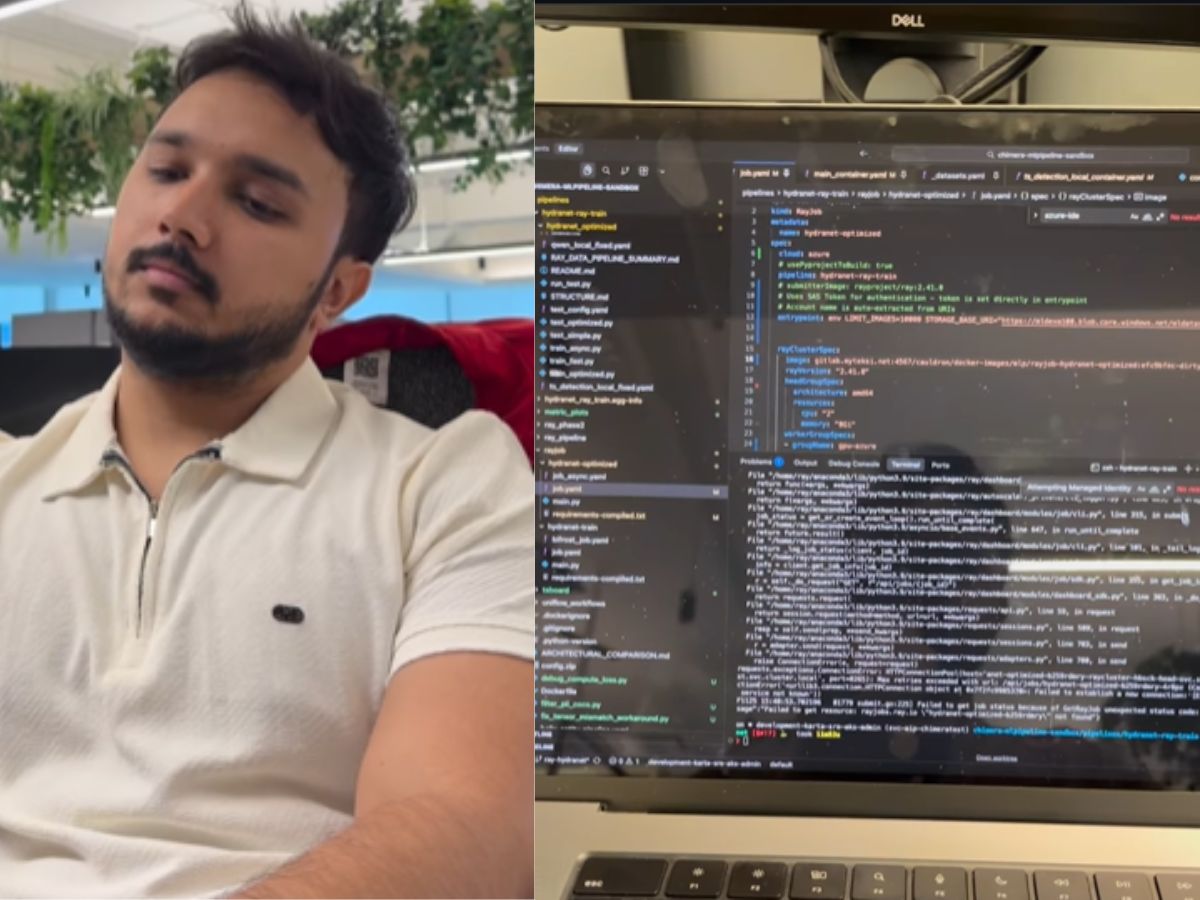

An Indian Employee, who recently started living in Singapore, has highlighted the differences between workplace culture in his home country and in the country of his new job by way of a video he shared online. The employee said that, “When you ask for time off, in India you’ll feel like you’re begging”. In comparison, in Singapore, taking time off is a very simple process. You notify your employer and you’re not expected to provide an excuse, if requested.
Leave Culture in India vs Singapore
According to the employee, who goes by “Aman”, Indian employees frequently have to justify their time off by giving specific reasons such as family emergencies or illnesses, however, they feel ashamed when asking for time off, and worry about being criticised or losing face. In contrast, in Singapore, when you ask for time off, you’re treated with respect — you provide an honest notification and are not made to feel guilty or pressured.
Work-Life Balance and Boundaries
Aman also spoke about how, in Singapore, once the clock hits 6 pm, employees have the right to not be contacted by work. In contrast, in India, working late and having your phone ring after hours often is seen as part of what it means to work hard.
Why It Struck a Chord
The video was relatable to a lot of Indians who have an issue with rigid office rules such as long working hours, constantly receiving calls after work hours, and the uncomfortable situation of asking for leave. The video has opened up discussions about topics like work-life balance, mental health, and the need for employee-friendly policies in India.
What Employees Can Take Away
Leave and personal time should be communicated in a clear and open way and should not just be something an employee has to ask for or seek permission for. Companies that create a culture where employee boundaries and mental well-being are respected (as many overseas companies do) create a happier, more productive work environment for their employees.
Employees have every right to prioritize their mental health, take time off, and create a work-life balance for themselves.
Disclaimer: The views shared in the video are based on the personal experience of the individual featured. Cultural and corporate practices may vary across companies and regions. This article is for informational purposes only.
Vani Verma is a content writer with over 2 years of experience in lifestyle, entertainment, health and digital media. She has a knack for creating engaging and research-driven content that resonates with readers, blending creativity with clarity. Passionate about media trends, culture, and storytelling, she strives to craft content that informs, inspires, and connects.




