
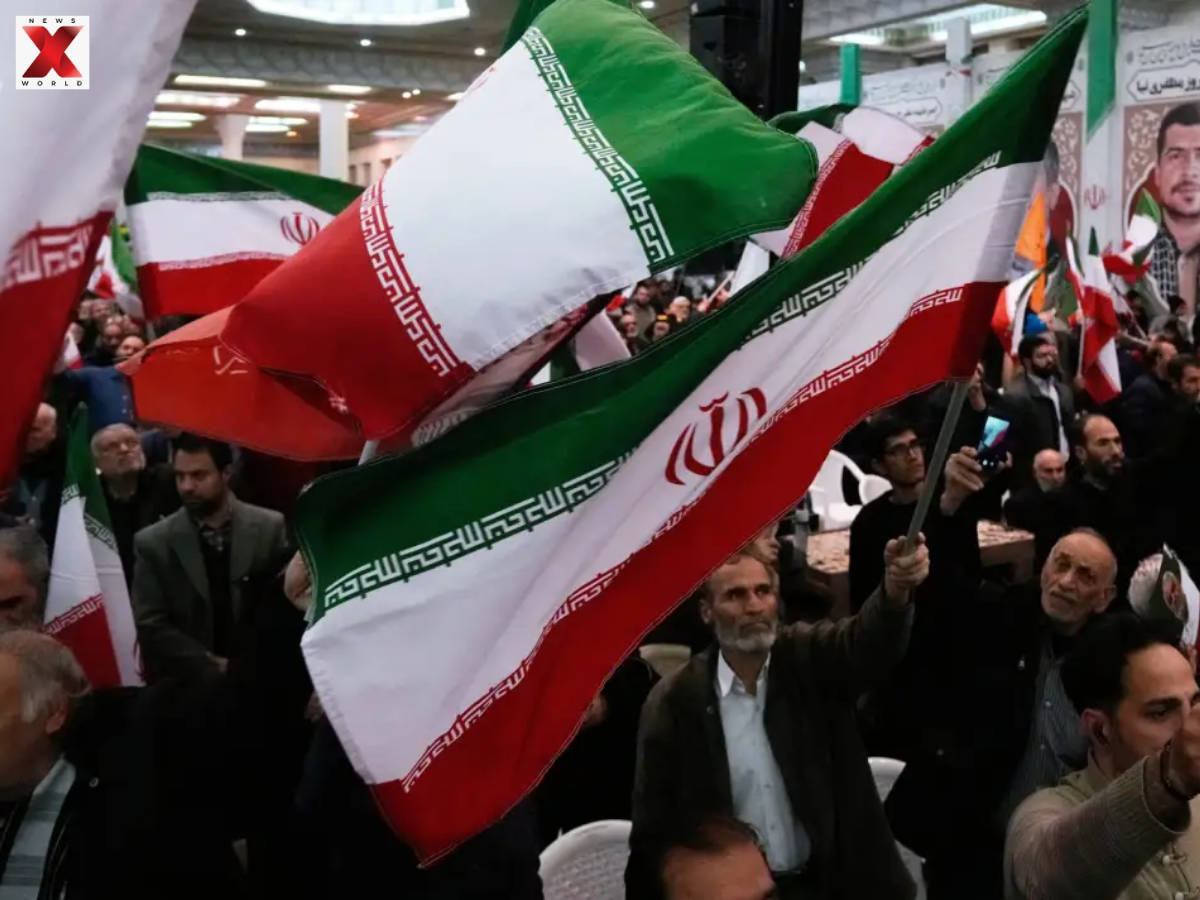

Iran’s government says it’ll hand out about $7 (Rs 631) to 80 million people, hoping this cash will cool off the anger that’s been boiling over across the country. The economy’s in freefall, and people are fed up.
The protests started back on December 28. At first, merchants and traders shut down big markets in Tehran to show their frustration over the Iranian rial crashing against the US dollar.
It didn’t take long for university students to join in, rallying on their campuses as inflation hit a staggering 52.6 percent in December.
Now, the unrest has reached 27 out of Iran’s 31 provinces. By Monday, January 5, the protests had stretched into their ninth day. Social media was flooded with videos from Tehran and Yasuj, showing crowds in the streets, voices raised.
🔶️ Clashes erupted at Tehran’s Bazaar between protestors and security forces who stormed the market and fired tear gas at demonstrators.
This is the 10th consecutive day of protests in Iran. pic.twitter.com/1e2vplatGO— Monika (@Monika_is_His) January 6, 2026
People aren’t just shouting about groceries and rent anymore. In several cities, protesters are openly demanding freedom and calling for the Supreme Leader, Ayatollah Ali Khamenei, to step down. In Yasuj, men and women chanted, “Freedom, freedom, freedom.” Over in Tehran, similar calls echoed on Cheragh Barq street.
Sunday night, demonstrations spread even further people took to the streets in Ilam, Arak, Hamedan, Amol, Lahijan, Kermanshah, Malekshahi, Semnan, and Noorabad.
Iran plans to offer its ctizens $7 monthly
The Iranian government has concluded to pay most of the citizens an amount of roughly 7 dollars each month.
According to the government spokeswoman, Fatameh Mohajerani, the plan is meant to save the purchasing power of households, regulate inflation and to enforce food security.
Last week, Iran has revamped its currency exchange policy. Previously, exchange rate subsidies were the subsidies offered to the imported products of foreign origin.
President Pezeshkian of Iran reported that there were sectors that had been taking advantage of the exchange rate without reducing the prices.
Concerning the reforms, Pezeshkian described them as follows: We are not eliminating subsidies, but are sending them to the end consumers.
His spokesperson, Fatemeh Mohajerani, made the same remarks on Monday, stating that since this will be achieved by abolishing or cutting down the subsidised and preferential official foreign currency exchange rates, the prices of certain items will increase.
In her statement, Mohajerani said that the money that were previously used to subsidise some imports worth billions of US dollars could be used to pay citizens of Iran directly in the amount of billions of US dollars annually.
According to The Telegraph, Iranian authorities announced the transfer of 10 million rial (Rs 21,395) in vouchers to 80 million individuals over four months, by announcing an economic relief plan on Sunday.
The amount is equivalent to the Iranian average salary per day. The plan was announced by Pezeshin during a high-level conference of the Cabinet members and provincial governors.
He has made a promise that he will ensure that any increase in price is fully taken care of to ensure that there is no impact on the purchasing power of the household.
Pezeshinan added that anything wrong or lacking in the society is directly due to action thus, there is need to ensure that the stakeholders and implementers are included in all the facets of making decision.
He has further contended, that personal contact with the people, listening to their grievances and demands and trying to win over the popular mind, are important factors in allaying the psychological and social strains.
The Iranian president also added: “Society can not be pacified and soothed by threats and wrong means.
Those monthly payments would be equivalent to approximately 100 eggs, a kilogramme of red meat or a few kilogrammes of rice or chicken at the present prices in Iran as per The New York Times (NYT). It will be in the form of credit to the qualified Iranians to purchase some goods.
It is among the most ambitious programmes in the money distribution in Iran, which is undergoing extreme sanctions and low sales of oil by other countries.
Will the reforms relieve the economic pressure on Iran?
The monthly stipulated payments will help the poorest in Iran very little but not the middle class who are struggling to make ends meet.
The Iranian regime is perhaps hoping that the combination of policies to appease not only the merchants but also the poorest strata of the Iranian population would be adequate to deflate the central complaints that have caused protests, Esfandyar Batmanghelidj, who is one of the founders of the Bourse and Bazaar Foundation, an economic think tank based in Britain, said in NYT.
Nonetheless, the change in the overall mood of despair among the Iranians regarding the economy and their future is not expected to be brought by the financial support, he said.
Batmanghelidj said it was a small sum among the middle folk and would not significantly raise their living standards but it would certainly make the poorest quintile better off.
He added that it is evident the government believes it can afford to do so. However, their affording capacity does not suffice to reduce the strains that most of the Iranians are undergoing.




