
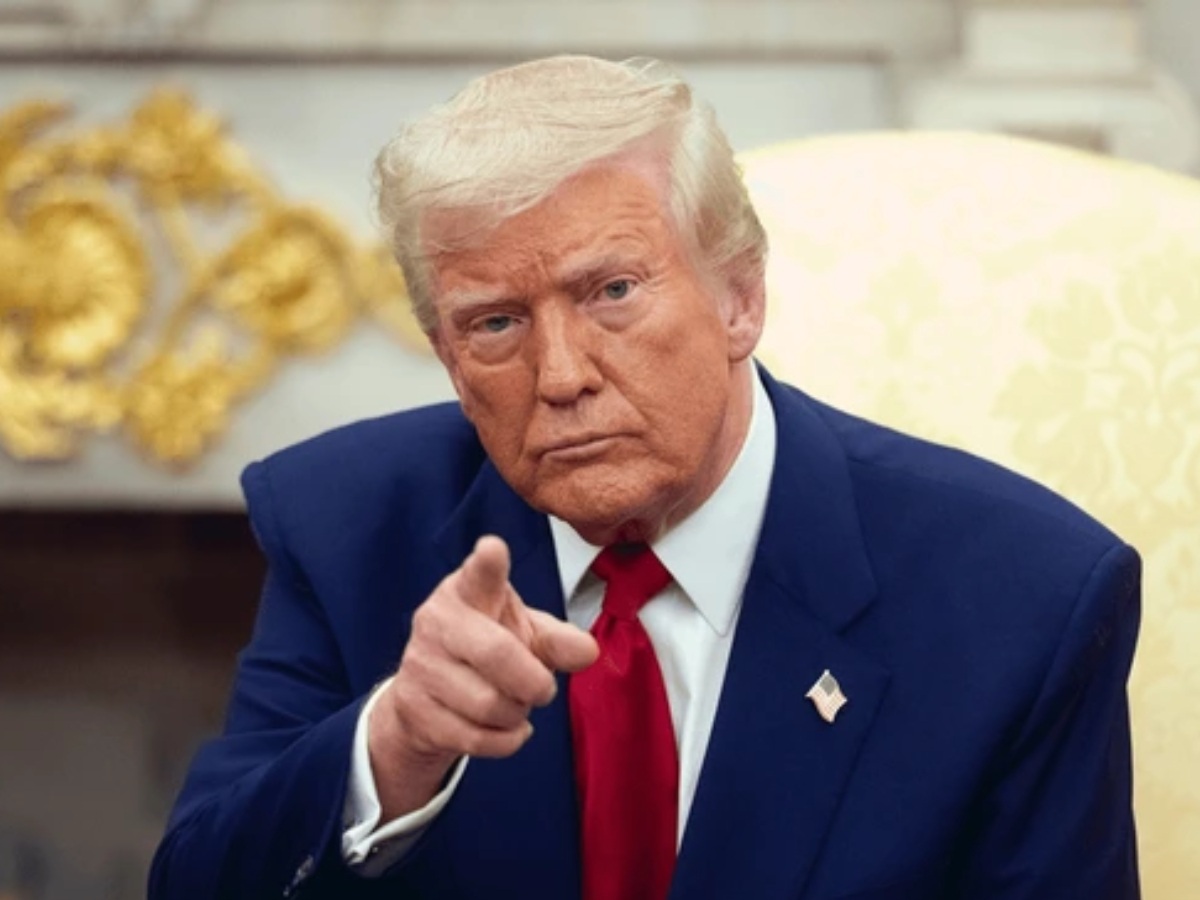

In a bid to isolate Russia economically, US President Donald Trump has imposed additional tariffs on countries that trade with Kremlin. India was the first country to face Trump’s secondary tariffs as Washington doubled the 25% tariffs on Indian imports to 50%.
The move is part of a broader strategy aimed at cutting off Russia’s access to foreign income, particularly from oil and gas exports, which continue to fund its war in Ukraine. The new executive order signed by President Trump states that unless a ceasefire is agreed between Russia and Ukraine by Friday, August 8, any country still trading with Moscow will face 100% tariffs on goods exported to the United States.
“This is about holding nations accountable,” Trump said at a press briefing. “If you support Russia’s war by buying their oil, you will not have access to the American market without paying a heavy price.”
Donald Trump Imposed 50% Tariffs on India and Threatened to Increase it to 100%
India, the second-largest buyer of Russian oil after China, was the first country to be penalized under the new policy. US companies importing Indian goods will now pay an additional 25% duty, bringing the total to 50%. If India does not cease oil purchases from Russia within 21 days, tariffs on its exports to the US could rise to 100%.
Washington hopes the penalties will make Indian goods unaffordable in the US market, thereby pressuring New Delhi to cut energy ties with Moscow. The US administration also believes that broader application of the policy could choke Russia’s ability to sell oil globally, thus weakening its war effort.
Russia remains the world’s third-largest oil producer, behind the US and Saudi Arabia. Analysts warn that a sharp drop in Russian energy exports could again send oil prices soaring — just as they did after the 2022 invasion of Ukraine. Trump, however, has downplayed those concerns, citing record US oil output.
Experts say the impact may be cushioned by Russia’s use of a so-called “shadow fleet” of tankers, which obscures the origin of oil shipments and may help some countries bypass the new rules.
India Slams US Decision to Increase Tariffs
Still, the effects of the tariffs could ripple through global supply chains. US-based Apple, for instance, has moved a significant portion of its iPhone manufacturing to India. Higher tariffs could make these devices more expensive for American consumers, as importers typically pass on added costs.
India has criticized the US move, accusing Washington of hypocrisy. While urging others to cut ties with Russia, the US itself continues limited imports from Moscow — primarily in nuclear fuel and fertilizers. Trade data shows that American imports from Russia stood at just over $3 billion last year, although that is only a fraction of pre-war levels.
Trump’s strategy could face serious challenges if extended to China, the top buyer of Russian oil. US imports from China are five times higher than those from India and include a wide range of consumer goods — from toys and clothing to electronics. Imposing similar tariffs on Chinese goods would likely disrupt the American economy.
Meanwhile, the European Union, once Russia’s biggest export destination, has drastically reduced purchases since 2022 but still imports some Russian goods. Brussels recently agreed to increase energy imports from the US, but further compliance with Trump’s directive remains uncertain.
As the deadline approaches, global markets are bracing for disruption. India’s reaction is expected to shape how other Russian trading partners respond. For now, New Delhi finds itself on the frontlines of a growing economic confrontation.
Also Read: India Hit Hard, China Untouched: GTRI Accuses U.S. of Double Standards Over Russian Trade




