

Nearly three weeks into the US-Israeli war on Iran, Dubai’s real estate market is starting to show early indications of faltering. Analyst data indicates that transaction volumes are plummeting, and some real estate salespeople are pointing to price reductions.
Is Dubai’s Property Market Heading For A Slowdown Amid US-Israel-Iran War?
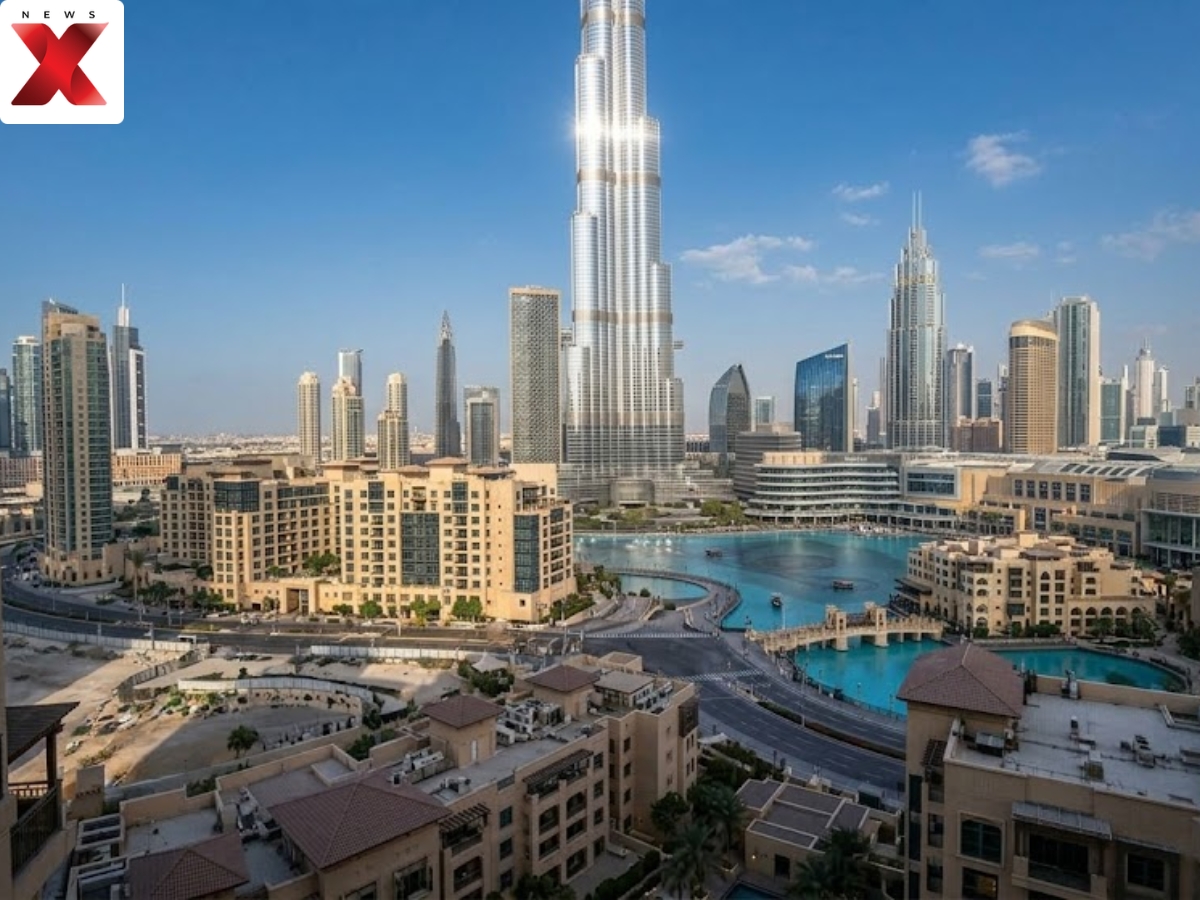
According to a report released this week by Goldman Sachs analysts, real estate transaction volumes in the UAE decreased 49% month over month and 37% year over year in the first 12 days of March. According to certain real estate agents and postings on social media that Reuters examined, some houses are already being sold at significant discounts, with price reductions of 12–15%. For example, an agent published a message stating that a seller was seeking a “quick sale” for a home near the world’s tallest structure, the Burj Khalifa. Due to “the current situation,” the seller was asking for $650,000, a 12% decrease from the earlier asking price of $735,000. Due to the delicate nature of the situation, the agent talked under the condition of anonymity. An off-plan flat in Dubai‘s coveted Palm Jumeirah was also being offered at a 15% discount to its original price to around $2 million, according to a message reviewed by Reuters on a WhatsApp group created a week into the war.
Check Before And After Of Prices In Burj Khalifa, Palm Jumeirah And Key Areas
Dubai’s rise has been mirrored by the UAE’s real estate boom, but after five years of price increases, there were already worries that the market was about to slow down. The war is the market’s greatest test to date. The UAE’s tax free policy attracted wealthy migrants, which drove demand. The Burj Khalifa’s developer, Emaar Properties EMAR.DU, has seen a more than 26% decline in shares on the Dubai exchange since the start of the conflict.
Although the median transaction price was only down 3% from a year ago, Goldman Sachs reported that the total value of completed transactions so far this month was down by half compared with February, a much larger decline than during the 2024 Dubai floods or a previous Iran-Israeli conflict last June. According to Citi analysts, the conflict created “considerable risk” for Dubai’s anticipated future population expansion since it would discourage real estate investors and buyers. In contrast to 4% in previous years, they now project 1% population increase in Dubai this year and 2-2.5% annually between 2027 and 2031. According to their pessimistic assessment of Dubai, real estate values would fall by an average of 7% each year between now and 2028.
Market Ativity Has Not Stopped
Executives on the ground, however, claim that market activity has not ceased and are not in a panic. “I think that people’s perceptions and assessments of risk vary greatly. However, the data presents a very clear picture, don’t you think? “Transactions have continued,” stated Imran Sheikh, chairman and founder of BlackOak, a real estate investment company. “We have one client from Africa who has said, if you see any opportunities over the next month, please go ahead,” she stated.
Former UFC heavyweight champion Francis Ngannou purchased an off-plan unit on the Palm last week for almost $25 million, which developer Arada said “underscores continued investor appetite for branded luxury residences in Dubai”. “Himanshu Khandelwal, CEO of the Dubai-based investment firm Asas Capital, told Reuters that a lot of investors are calling to ask if you have clients who want to sell at distress or anybody who sells at a discount, (and) we’re ready to buy it. He cited Indian family offices and Emirati clients. Mohamed Alabbar, the founder and chair of Emaar Properties, sounded upbeat when he told CNBC last month that “nobody wants to budge” on pricing.
“At present, we are not seeing widespread discounting, as most buyers remain focused on long-term value rather than short-term price fluctuations,” Tauseef Khan, founder and chair at Dugasta Properties, told Reuters. ($1 = 3.6726 UAE dirham)
(With Inputs From Reuters)




