
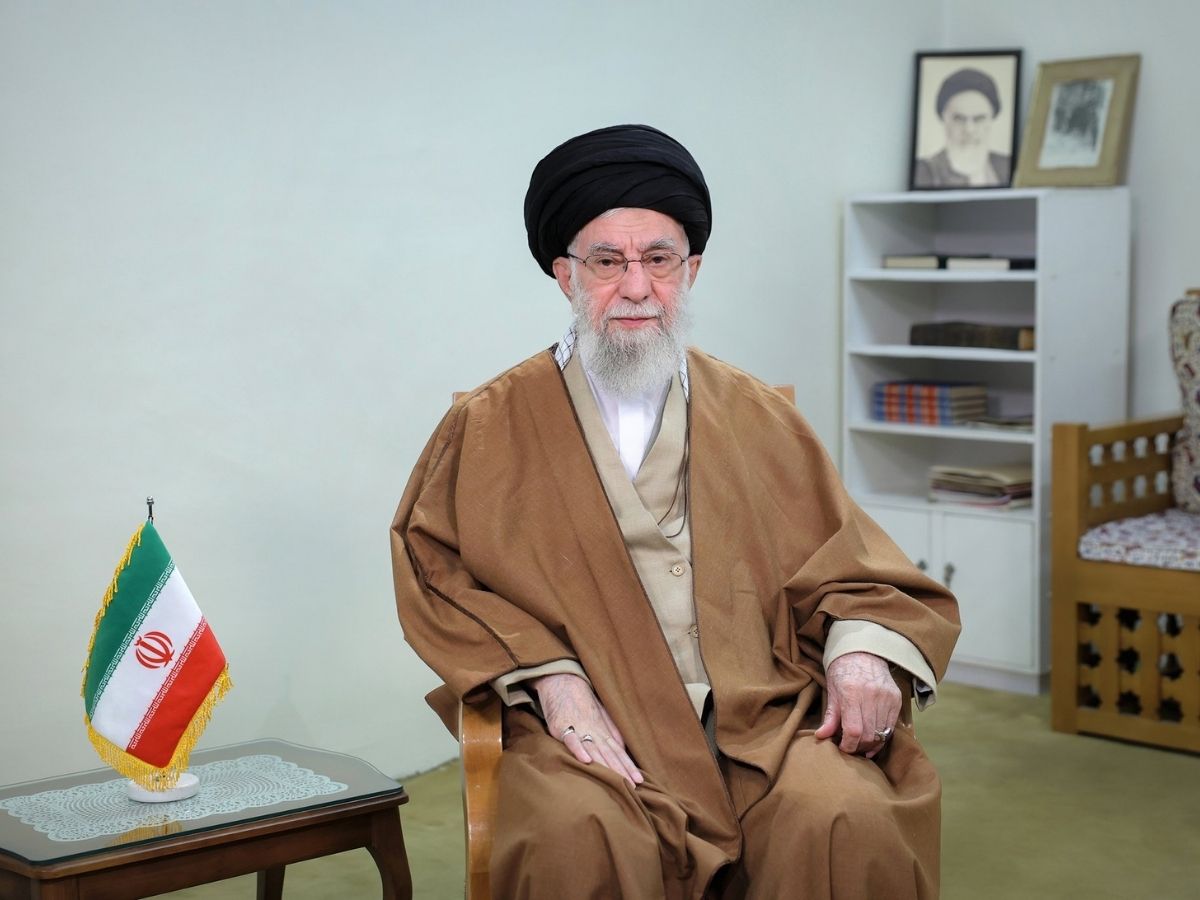

Iran’s Supreme Leader Ayatollah Ali Khamenei said on Sunday that Tehran will not become “obedient” to the United States or bow to pressure for direct talks, Reuters reported. “Those who threaten us to have direct negotiations with the US only see appearances in my opinion … the issue is unsolvable,” Khamenei reportedly said, according to state media.
Rising US Pressure and New Sanctions
The US has ramped up efforts to tighten the noose on Iran amid nuclear talks in Europe. On August 21, Washington announced imposition of fresh sanctions targeting key Iranian companies and vessels involved in oil exports. Treasury Secretary Scott Bessent described the sanctions as a necessary measure to cut off funding for Tehran’s weapons programs and its regional allies.
US President Donald Trump, backed by Israeli Prime Minister Benjamin Netanyahu, warned that Iran could face direct military action if it resumes uranium enrichment at higher levels. Trump expressed frustration over the stalled peace process, saying earlier this week, “I am going to make a decision as to what we do… whether it’s massive sanctions or massive tariffs or both, or we do nothing and say it’s your fight.”
Russia and China Back Iran Against Western Pressure
Meanwhile, Russia and China appear to have aligned themselves with Tehran. Russian envoy Mikhail Ulyanov called European threats of reimposing sanctions “blackmail” and argued that the move lacked legal grounds. China seemingly backed the stance, warning that snapback sanctions would damage trust and derail diplomacy.
Iranian Deputy Foreign Minister Kazem Gharibabadi confirmed discussions with Russian and Chinese officials about joint measures being planned to counter Europe’s pressure, stressing their shared view that the snapback option is “no longer legally valid”. This support complicates Western efforts to isolate Iran and could allow Tehran to advance its nuclear program with fewer international checks.
Iran’s Nuclear Program and Tensions with the IAEA
Iran, for its part, has insisted that the country’s nuclear activities are for peaceful purposes, but its uranium enrichment at 60% purity — far above levels necessary to cater to civilian needs — has raised concerns. Tehran’s relations with the International Atomic Energy Agency (IAEA) have soured, especially after a recent conflict with Israel damaged the country’s key nuclear sites including Fordow. The Iranian parliament passed legislation restricting IAEA inspections, requiring Supreme National Security Council approval for access.
Foreign Minister Araghchi reiterated Iran’s rejection of snapback sanctions, warning they would have “serious consequences”, while also adding that Tehran remains open to engaing in diplomacy while defending its rights.
US Defense Shakeups Amid Iran Tensions
In a related development, US Defense Secretary Pete Hegseth recently fired Lt. Gen. Jeffrey Kruse, head of the Defense Intelligence Agency (DIA), following an intelligence assessment that suggested US strikes only delayed Iran’s nuclear program by months. The preliminary report angered Trump, who had earlier claimed that Iran’s nuclear program was “completely and fully obliterated.”
Hegseth defended the strikes as “historically successful” but has overseen multiple shakeups in US military and intelligence agencies.




