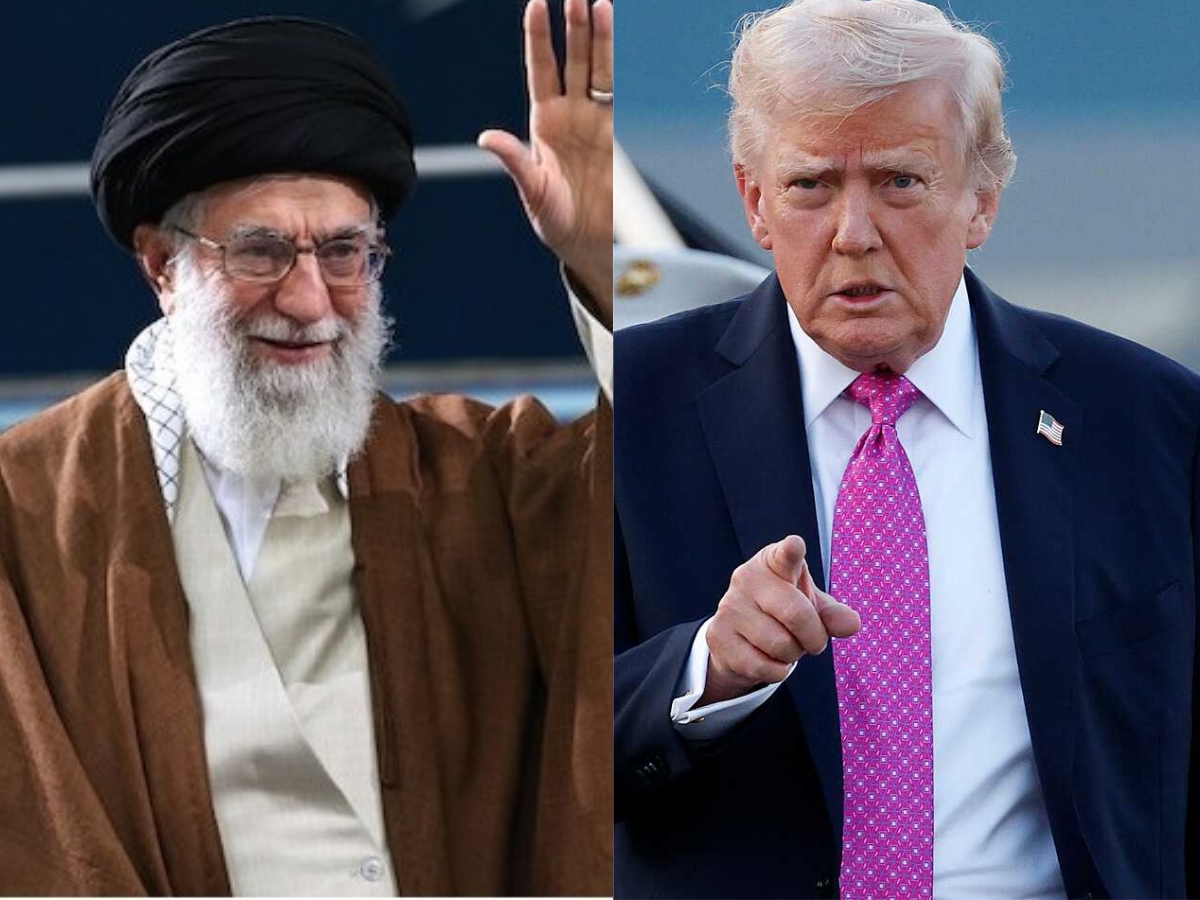

Iran and the United States are moving towards war amid nuclear talks in Oman. US has issued an unusually blunt warning to its citizens in Iran, urging them to leave the country immediately as security concerns, communication restrictions, and travel disruptions continue to intensify across the country.
In an advisory issued by the Virtual US Embassy in Iran, American nationals were told to prepare their own departure plans without relying on assistance from the US government, citing limitations on evacuation and consular support.
“Leave Iran now. Have a plan for departing Iran that does not rely on US government help,” the advisory stated.
Growing Unrest, Disrupted Communications Heighten Risks
Why Has The US Warned Citizens To Leave Iran?
According to the advisory, worsening security conditions, ongoing unrest, restricted communications, and uncertain transport links have created an environment that could compromise the safety of US citizens.
Officials warned that internet blackouts are likely to continue and urged Americans in Iran to plan alternative means of communication with family and friends. Citizens were also advised to monitor local media closely for breaking developments as conditions evolve.
US Says Citizens To Depart By Land
With air travel options uncertain, the advisory recommended that US citizens consider departing Iran by land, if it is safe to do so, through neighbouring countries. Current viable border crossings, according to the alert, include routes into Türkiye and Armenia.
Those unable to leave immediately were advised to shelter in secure locations, either within their residence or another safe building, and to maintain essential supplies such as food, water, and medications.
JUST IN – U.S. Embassy warns citizens to “leave Iran now.” pic.twitter.com/8Kup9sIBKO
— Disclose.tv (@disclosetv) February 6, 2026
Safety Measures for Those Unable to Depart Iran
For Americans who cannot exit Iran at present, the advisory outlined specific precautions, urging them to:
Avoid demonstrations and protests
Keep a low profile and remain alert
Maintain adequate supplies of food, water, and medications
Keep phones charged and stay in contact with loved ones
Monitor local media for updates
What US Warning Said About The Dual Nationals
The advisory placed particular emphasis on risks faced by US-Iranian dual nationals, noting that Iran does not recognise dual nationality.
As a result, dual citizens are required to exit the country using Iranian passports. The warning cautioned that displaying a US passport or showing ties to the United States could result in detention.
“Showing a US passport or demonstrating connections to the United States can be reason enough for Iranian authorities to detain someone,” the advisory said, highlighting the risk of questioning, arrest, and detention.
US citizens without a valid US passport were advised to obtain one at the nearest US embassy or consulate after leaving Iran.
No US Consular Presence, In Iran Swiss Embassy Acts as Intermediary
The advisory underscored the limited ability of the US government to assist its citizens in Iran, as Washington has no diplomatic or consular relations with the Islamic Republic.
Instead, American interests in Iran are represented by the Swiss government, which operates through its embassy in Tehran. Routine consular services are no longer available, further complicating assistance efforts.
Advisory Comes As Nuclear Talks Set to Resume In Oman
The warning comes as diplomatic engagement between Tehran and Washington re-enters the spotlight. US-Iran nuclear talks are scheduled to begin at 10 am Oman time (11.30 pm IST) in Muscat, officials said.
The meeting marks the first formal talks between the two sides in nearly nine months, signalling that diplomatic channels remain open even as security risks escalate.
The high-stakes, face-to-face negotiations in Oman come amid heightened regional tensions, following a fresh US military buildup in the Middle East and Iran’s violent suppression of recent anti-government protests.
The diplomatic initiative nearly collapsed due to uncertainty over the format and location of the talks. However, regional intermediaries intervened to keep communication lines open between Washington and Tehran.
Zubair Amin is a Senior Journalist at NewsX with over seven years of experience in reporting and editorial work. He has written for leading national and international publications, including Foreign Policy Magazine, Al Jazeera, The Economic Times, The Indian Express, The Wire, Article 14, Mongabay, News9, among others. His primary focus is on international affairs, with a strong interest in US politics and policy. He also writes on West Asia, Indian polity, and constitutional issues. Zubair tweets at zubaiyr.amin