
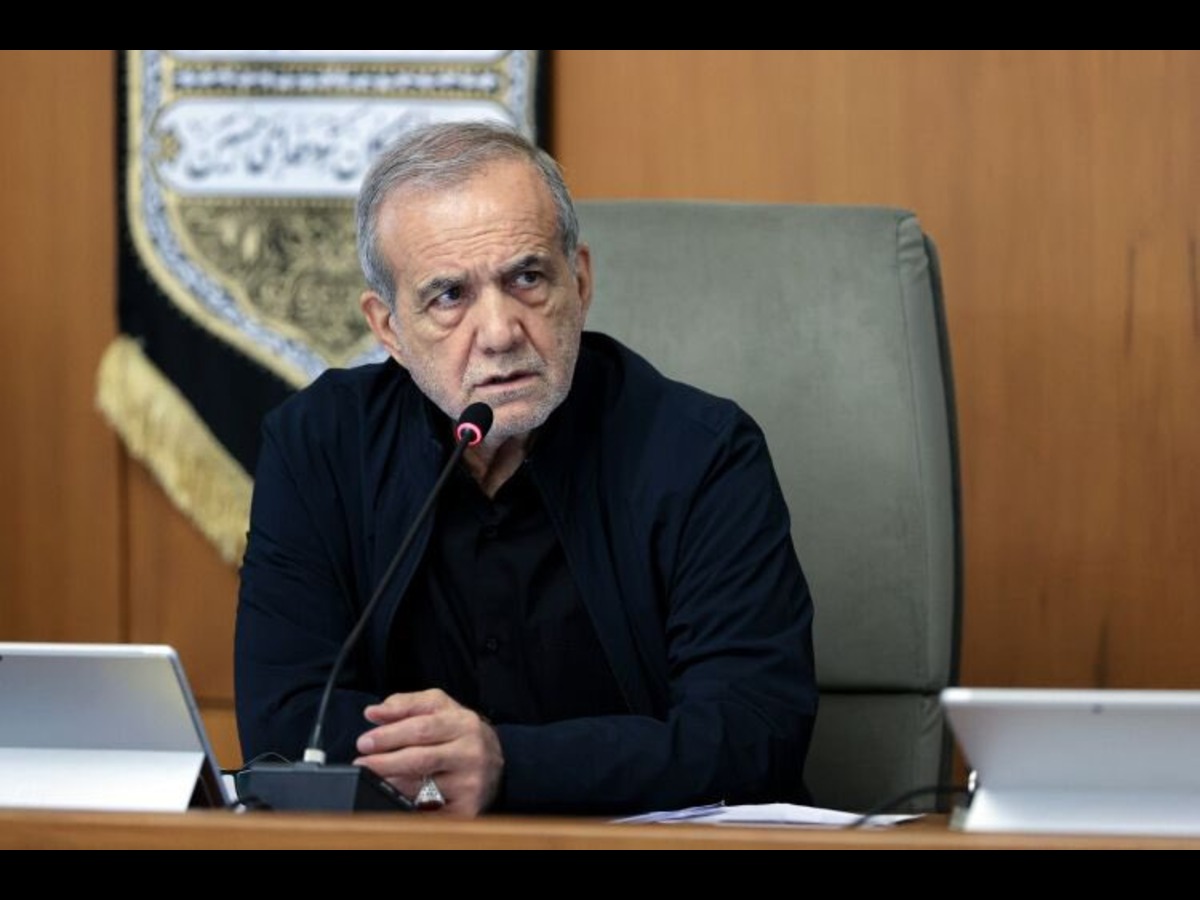

Iranian President Masoud Pezeshkian on Wednesday dismissed Israeli Prime Minister Benjamin Netanyahu’s offer to assist with Iran’s water crisis, calling it insincere. Speaking on X, Pezeshkian criticized Israel for denying Palestinians access to basic necessities. “A regime that deprives people of Gaza of water and food says it will bring water to Iran? A MIRAGE, NOTHING MORE,” he wrote.
During a Cabinet meeting in Tehran, Pezeshkian further condemned Israel’s message as deceptive, saying, “Those with a deceptive appearance are falsely claiming compassion for the people of Iran. First look at the difficult situation of Gaza and their defenseless people, especially children struggling due to hunger, lack of potable water, and medicine under a brutal siege.”
Israeli PM Netanyahu Had Offered Help to Resolve Iran Water Crisis
Netanyahu had addressed Iranians in a video on Tuesday, promising that Israel would help resolve the country’s severe water shortages once Iran is “free” from its current government, according to Israeli media, including The Jerusalem Post.
The exchange highlights a shift from direct military confrontations to political rhetoric. In June, Israel carried out airstrikes on Iran, killing around 1,100 people, including top military commanders and nuclear scientists, while in retaliation, Iranian attacks claimed 28 lives in Israel.
Experts say Iranians Lack Proper Infrastructure to Address Water Crisis
On Sunday, Pezeshkian had underscored the severity of Iran’s water shortage, stating, “We do not have water under our feet and we do not have water behind our dams, so you tell me what do we do? Someone comes and tells me what do I have to do?” He added that the nation is in a “serious and unimaginable crisis” and that the government is consulting experts to find solutions.
Authorities attribute the crisis to years of drought compounded by water mismanagement, which includes low-quality infrastructure and insufficient investment in water conservation technology. Experts say the crisis could hit agriculture, disrupt electricity production, and deteriorate air quality in Iran.
Also Read: Iran Says It Made 21,000 Arrests During War With Israel as Nuclear Talks Remain ‘Complicated’




