
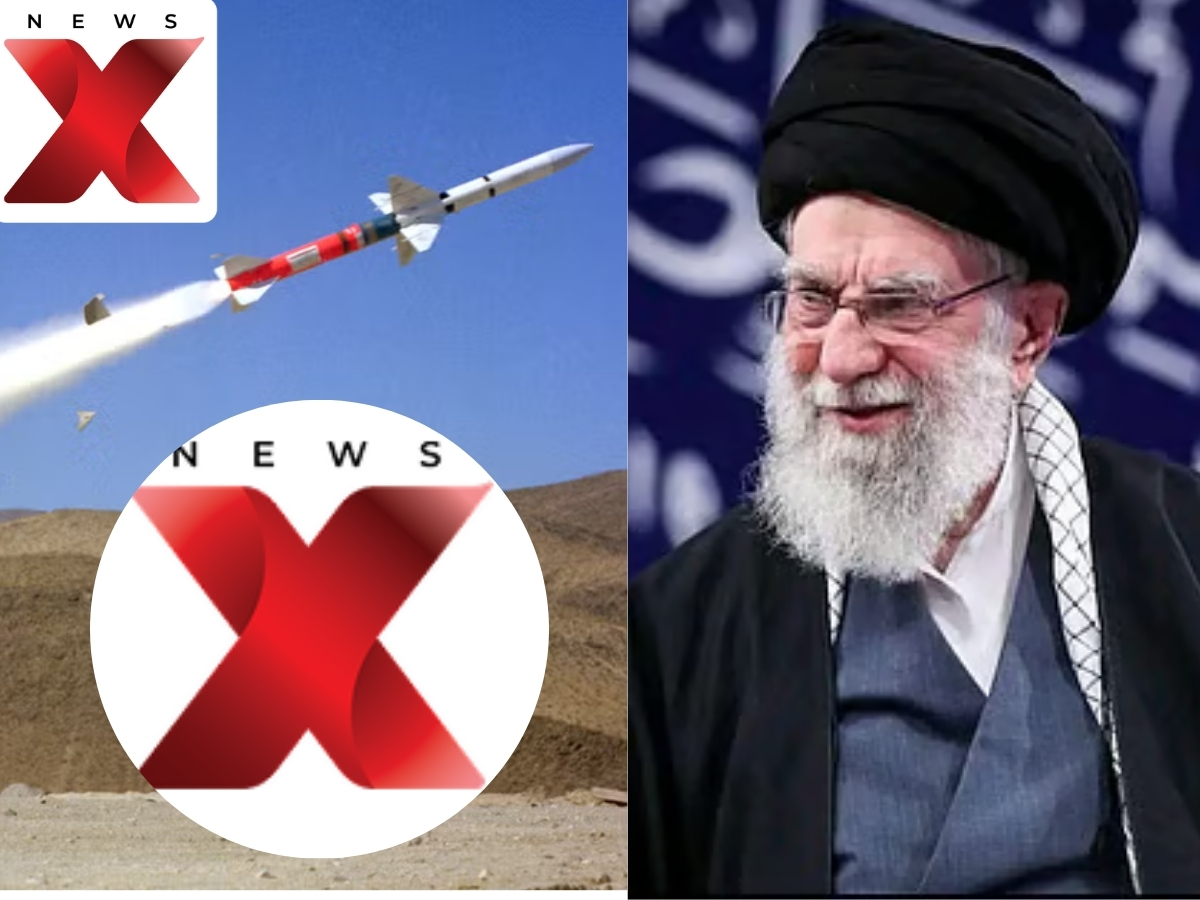

Israel deployed a powerful ballistic missile – Blue Sparrow – capable of reaching the edge of space before descending toward its target during a high-impact operation that reportedly killed Iran’s Supreme Leader Ayatollah Ali Khamenei and dozens of senior officials last Saturday.
The missile was used as part of Operation Epic Fury, an Israeli strike that targeted the compound of the Iranian leader in Tehran. The weapon can travel up to 1,240 miles and briefly exits the Earth’s atmosphere before plunging back toward its target.
According to reports, the force of the strike was so intense that debris from the impact was later discovered in western Iraq.
How The Israel Planned The Ayatollah Ali Khamenei Kill
Israeli military leadership reportedly carried out an elaborate deception to conceal preparations for the attack.
A report by the BBC revealed that Israel released photos and information showing that IDF staff and senior command were going home for Shabbat dinner.
The post created the impression that military activity was winding down for the weekend. However, while senior officials appeared to leave headquarters, they later returned secretly, wearing disguises, to continue planning the operation against Khamenei’s compound.
Why Israel Chose To Kill Ayatollah Ali Khamenei During The Day
Originally scheduled for the night, the strike was later rescheduled to Saturday morning after intelligence suggested that senior Iranian leadership would be meeting at the same time.
The New York Times reported that the timing shift was designed to maximise the presence of Iran’s top officials at a single location.
Before the attack, Khamenei was believed to be spending most evenings in a deep underground bunker.
Reports reveal that Mossad tracked the positions and schedules of the bodyguards protecting the Iranian leadership when they arrived at the compound on Pasteur Street in central Tehran.
The Launch Of Blue Sparrow Missile
The agency had access to detailed information about the guards’ routines and movements. A nearby surveillance camera proved especially important in monitoring the situation.
All intelligence updates were transmitted in real time to Tel Aviv, enabling Israeli officials to identify what they believed was the ideal moment to launch the strike.
At approximately 7:30 a.m. Iran time, Israeli F-15 fighter jets and other aircraft were deployed for the operation.
About two hours later, the aircraft launched around 30 missiles, including Blue Sparrow missiles, targeting the centre of the Ayatollah’s compound.
What Is the Blue Sparrow Missile?
The Blue Sparrow belongs to a family of air-launched missiles originally designed to simulate Soviet-era Scud missiles, similar to those used by Iraq during the Gulf War.
Typically launched from fighter aircraft, the missile uses booster rockets that propel it toward the edge of space before it descends toward its intended target.
Because of their high speed, Blue Sparrow missiles were designed to evade air defence systems. Israel is believed to have used the weapon previously during its 2024 assault on Iran.
Does India Have Blue Sparrow Missiles?
India has already begun exploring similar long-range strike technologies through cooperation with Israeli defence manufacturers.
In April 2024, the Indian Air Force (IAF) successfully test-fired the ROCKS missile from a Sukhoi Su-30MKI fighter aircraft. The test demonstrated the capability to strike targets deep inside enemy territory without crossing national airspace.
The government is currently exploring a larger order of the missile, incorporating India-sourced components, for the IAF as part of the Atmanirbhar initiative aimed at boosting indigenous defence production.
Zubair Amin is a Senior Journalist at NewsX with over seven years of experience in reporting and editorial work. He has written for leading national and international publications, including Foreign Policy Magazine, Al Jazeera, The Economic Times, The Indian Express, The Wire, Article 14, Mongabay, News9, among others. His primary focus is on international affairs, with a strong interest in US politics and policy. He also writes on West Asia, Indian polity, and constitutional issues. Zubair tweets at zubaiyr.amin




