
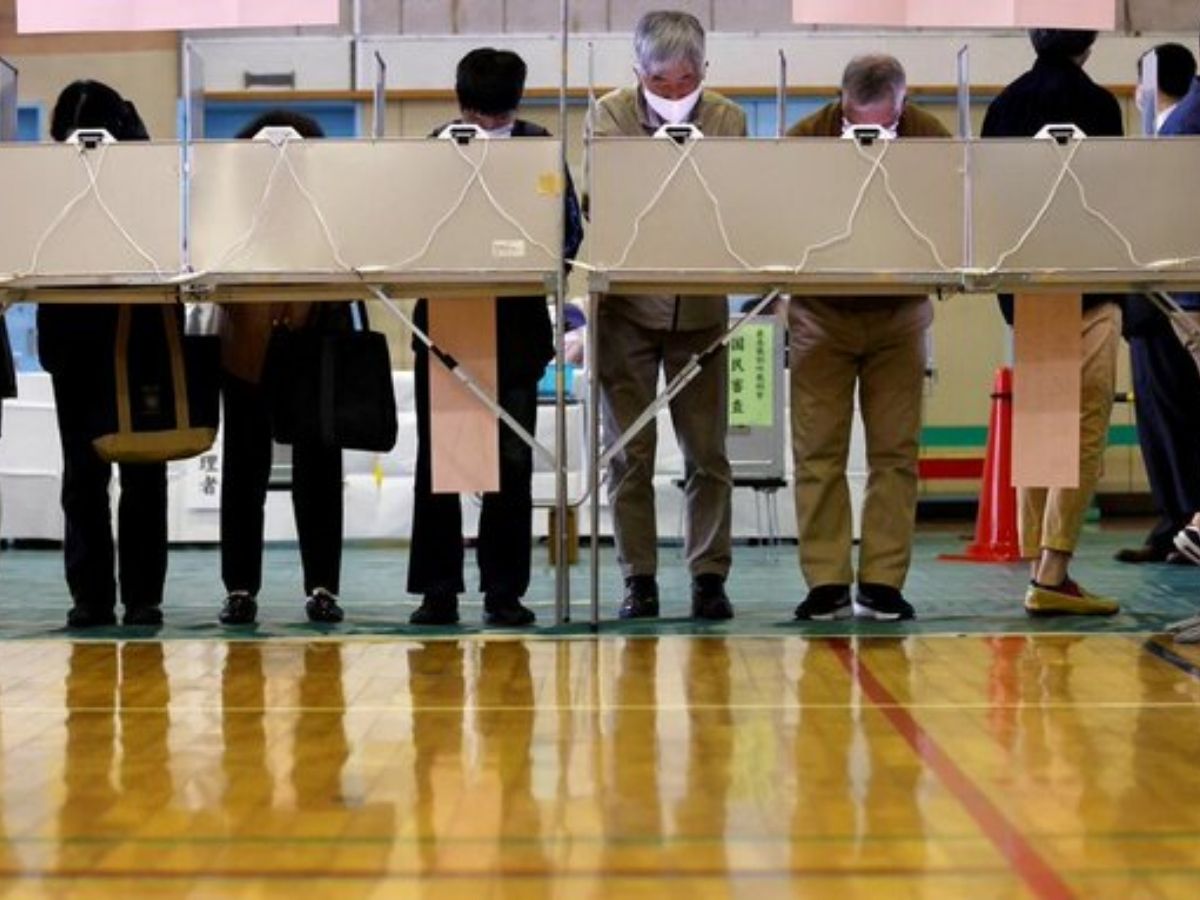

Japan headed to the polls on Sunday in a high-stakes upper house election, with Prime Minister Shigeru Ishiba and his ruling coalition facing the real risk of a significant setback, according to a report published by The Associated Press.
Voters are deciding on half of the 248 seats in the symbolically crucial upper chamber of the Diet.
Ishiba’s Liberal Democratic Party (LDP) and its ally Komeito are aiming for a simple majority of 125 seats. Together, they currently hold 75 and need just 50 more to clear that threshold but that’s down from the 141 seats they had before the election, as reported by the Associated Press
Local media surveys cited by the publication are predicting tough losses for Ishiba’s camp.
Public Frustration Over Economy and Social Policies
Soaring prices, stagnant wages and heavy social security costs have topped voters’ concerns, while stricter measures targetting foreign residents and visitors have also emerged as a key issue, with the right-wing populist party Sanseito seemingly leading an aggressive campaign.
Many voters blame Ishiba’s government for failing to act decisively on economic relief. According to the report, the administration has had to make concessions to opposition parties after losing its majority in the lower house last October. Adding pressure, US President Donald Trump has criticised Japan for sluggish trade progress and a lack of US auto and rice imports, with a 25% tariff looming.
Populists Rise, but Opposition Remains Divided
Sanseito’s “Japanese First” platform has gained traction with its strong anti-foreigner, anti-vaccine and anti-globalist rhetoric.
Meanwhile, traditional opposition parties like the CDPJ and DPP have gained some ground but remain divided and therefore unlikely to mount a unified challenge.
The campaign’s xenophobic rhetoric, reports suggest, has triggered backlash from human rights activists and foreign residents.
Voices from the Ground
At a polling station in Tokyo, 43-year-old consultant Yuko Tsuji told the news agency that she voted for the LDP because “if the ruling party doesn’t govern properly, the conservative base will drift toward extremes.” “So I voted with the hope that the ruling party would tighten things up,” the AP quoted Tsuji as saying.
But others want change. A 57-year-old self-employed voter told the publication she voted for the CDPJ, stressing that she wants to “see progress on those fronts,” referring to more open immigration and modern gender policies.
Early results are expected Sunday night.
ALSO READ: Japan Heads to Polls in Key Test for PM Shigeru Ishiba – All You Need to Know




