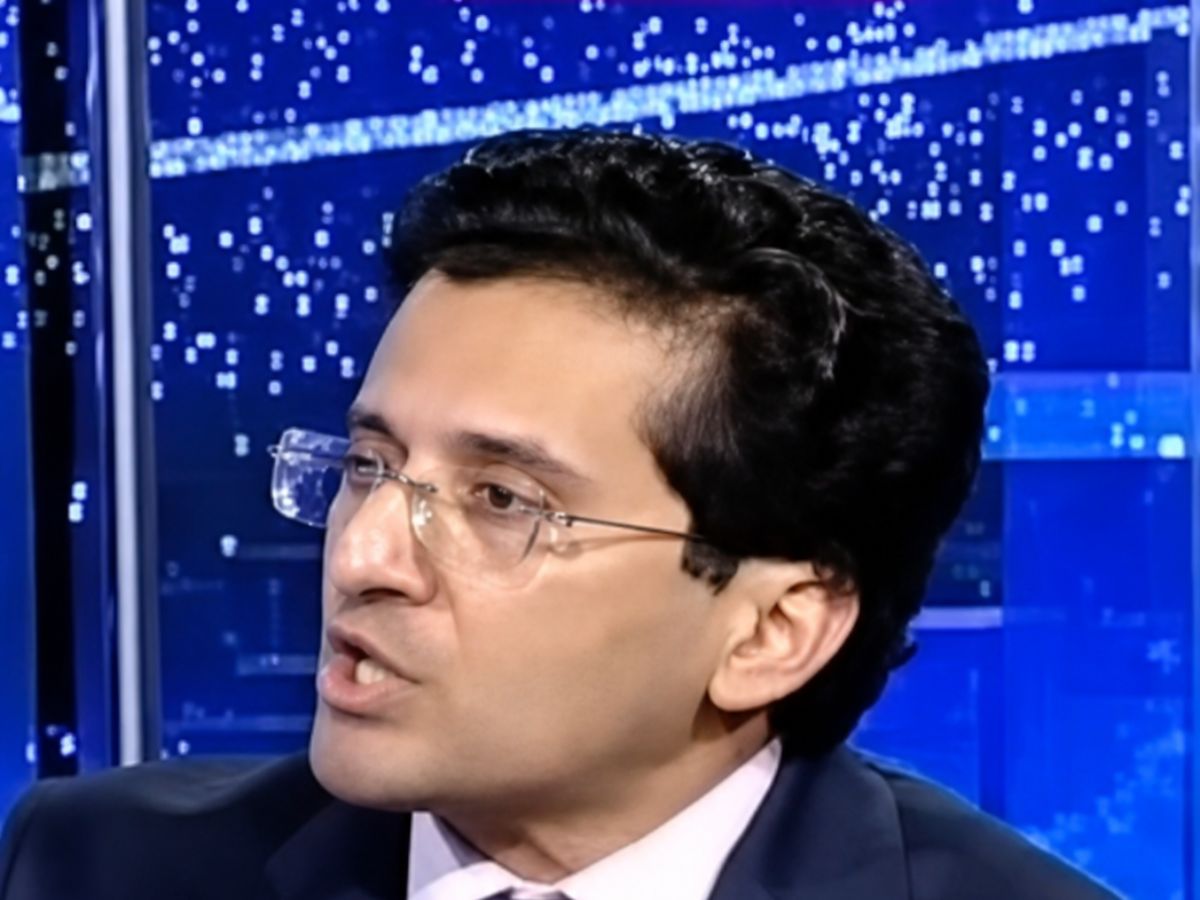

The fact that Pakistan is a bankrupt country is known to all globally. However, when the country itself accepts its reality, it is something revealing. In a new public acknowledgement, Pakistan has admitted that it is vulnerable to the global energy crisis, unlike India. The top-most minister in the government of Pakistan said that with a sharp rise in global crude prices, Pakistan is lacking strategic oil reserves that could help absorb such shocks. In an interview with Samaa TV, Pakistan’s petroleum minister, Ali Pervaiz Malik, made the admission as the crude price increased to $126 per barrel due to the US Naval blockade around the Strait of Hormuz.
“We don’t have any strategic oil reserves. We only have commercial reserves,” Malik said.
He further revealed that Pakistan’s crude stockpile is limited to just “five to seven days,” underscoring the country’s exposure to prolonged supply disruptions.
Pakistani Minister Makes Comparison To India
The minister drew a direct comparison with India, hailing New Delhi’s preparedness. According to Malik, India can access much larger reserves “with just a single signature,” giving it a crucial advantage during global supply shocks.
He estimated that India maintains around 60–70 days of combined strategic and commercial reserves, enabling it to better manage volatility in international markets.
Pakistan’s Petroleum Minister Ali Pervaiz Malik says India has strategic energy reserves for 60-70 days, which Pakistan doesn’t has.pic.twitter.com/2VVbiqjaon
— Sidhant Sibal (@sidhant) May 2, 2026
Pakistan Admits India’s Financial Muscle
Malik also highlighted broader economic differences between the two countries, linking India’s energy resilience to its financial strength.
Also Read: Has Etihad Airways Sacked 15 Pakistanis In UAE? Reports Claim Employees Told To Exit In 48-Hour
“India doesn’t just have 600 Arab dollars worth of reserves, but they also maintain strategic reserves,” he said.
He explained that this combination allows New Delhi to “cushion this crisis,” adding that India has had the fiscal space to respond to rising oil prices, including through tax reductions.
India’s Fuel Stability and Reserve Position
Fuel Prices In India And Pakistan: A Comparison
Fuel prices in India have remained largely stable in comparison to Pakistan due to the war in oil-rich West Asia. India’s Ministry of Petroleum in March assured that the country has an ‘actual stock cover that would cover for around 60 days.’
To strengthen the energy requirement of the country, the ministry said that India holds approximately 800,000 tonnes of LPG.
The fuel prices in India’s capital city, New Delhi, on Saturday were ₹94.77 per litre for petrol and ₹87.67 per litre for diesel.
Comparing these rates to Pakistan, the energy crisis has skyrocketed the petrol and diesel prices, leading to public unrest.
The Pakistani regime recently announced a sharp rise in fuel prices, including a 42.7 per cent increase. The rates were hiked from PKR 321.17 to PKR 458.4.
Although Prime Minister Shehbaz Sharif later reduced petrol prices by PKR 80 to PKR 378 per litre, the move has not fully eased public anger, as supply pressures continue to persist.
Also Read: Iran-US War Set To Resume? Donald Trump Rejects Peace Deal, Tehran Issues Fresh Warning
Zubair Amin is a Senior Journalist at NewsX with over seven years of experience in reporting and editorial work. He has written for leading national and international publications, including Foreign Policy Magazine, Al Jazeera, The Economic Times, The Indian Express, The Wire, Article 14, Mongabay, News9, among others. His primary focus is on international affairs, with a strong interest in US politics and policy. He also writes on West Asia, Indian polity, and constitutional issues. Zubair tweets at zubaiyr.amin