
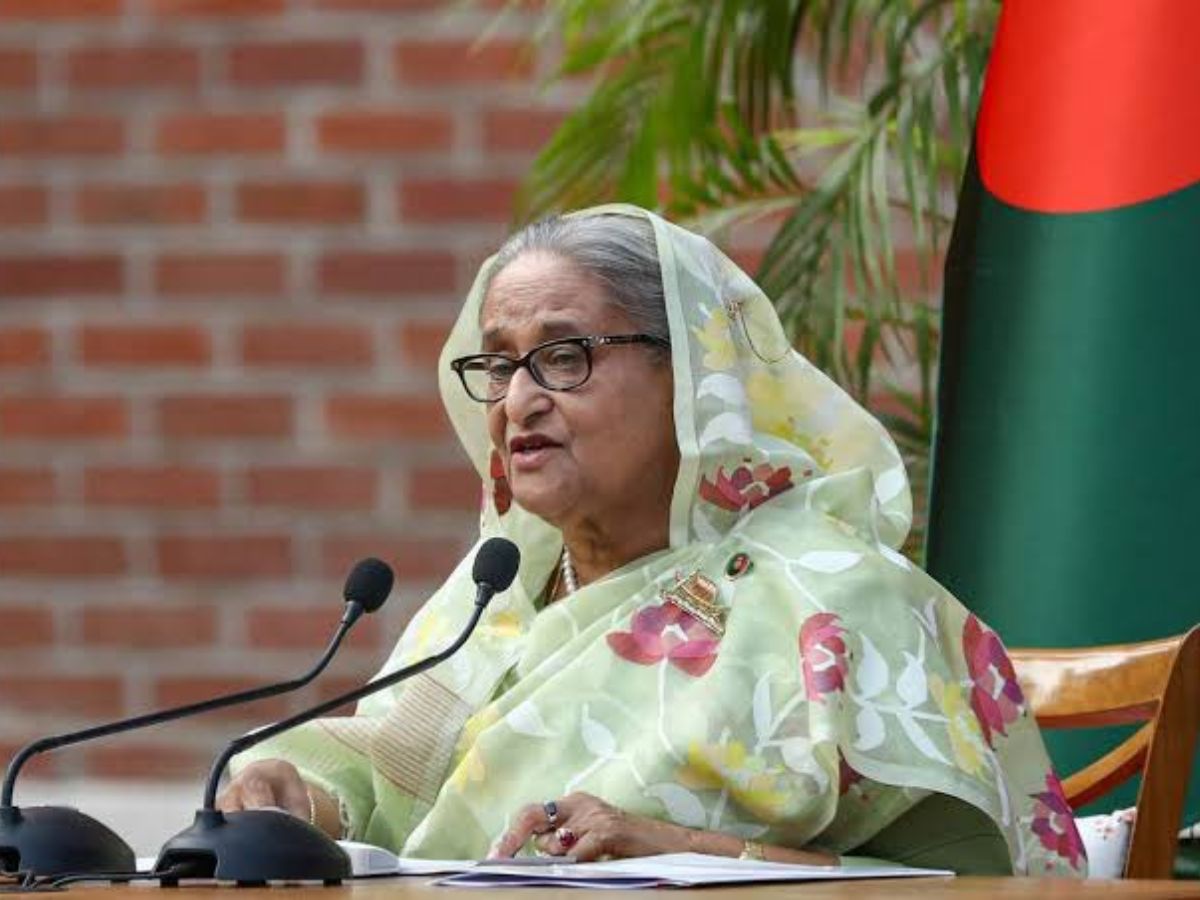

Bangladesh is preparing for a major moment on Monday as the verdict in the “crimes against humanity” case against ousted prime minister Sheikh Hasina is set to be announced. On the eve of the judgment, Hasina sent a message to her supporters, saying that “destroying” her party, the Awami League, is not easy because it grew from “the soil and the people”, not from “the pocket of an illegal power grabber”. She also dismissed all allegations against her as false and accused caretaker chief and Nobel laureate Muhammad Yunus of taking control of the country “illegally and unconstitutionally”.
How Violent Protests In Bangladesh Pushed Sheikh Hasina Out Of Power
The first spark came in early July, 2024, when university students launched peaceful protests demanding the removal of quotas in government jobs. A third of these posts were reserved for relatives of veterans from the 1971 independence war. Students argued the system was unfair, especially when millions of young Bangladeshis were already struggling to find work. Despite Bangladesh’s booming garment industry, which exported around $40 billion worth of clothes each year, factory jobs were not enough to match the country’s rising aspirations. Many believed scrapping quotas would open more opportunities.
Although courts later removed the quotas, the protests did not stop. Instead, they widened into a nationwide anti-government movement. Long-standing frustrations over unemployment, rising prices, corruption and shrinking democratic freedoms all came to the surface. Social media was filled with allegations of corruption involving powerful officials once seen as close to Hasina. Even the former police chief, Benazir Ahmed, came under investigation for allegedly accumulating millions of dollars, charges he denied.
As protests grew, clashes erupted across the country. Several people were killed, with protesters and local media blaming police for excessive force. The government insisted security forces acted only in self-defence. Hasina imposed curfews, shut down internet access in several regions, and called the protesters “terrorists” trying to destabilise Bangladesh. But the demonstrations only intensified.
By late July, Dhaka was overwhelmed by massive crowds demanding her resignation. After weeks of unrest and warnings of more bloodshed, Hasina stepped down and fled the country. Angry crowds then stormed her official residence, leading to scenes of chaos and looting in the capital.
Shivam Verma is a journalist with over three years of experience in digital newsrooms. He currently works at NewsX, having previously worked for Firstpost and DNA India. A postgraduate diploma holder in Integrated Journalism from the Asian College of Journalism, Chennai, Shivam focuses on international affairs, diplomacy, defence, and politics. Beyond the newsroom, he is passionate about football—both playing and watching—and enjoys travelling to explore new places and cuisines.




