
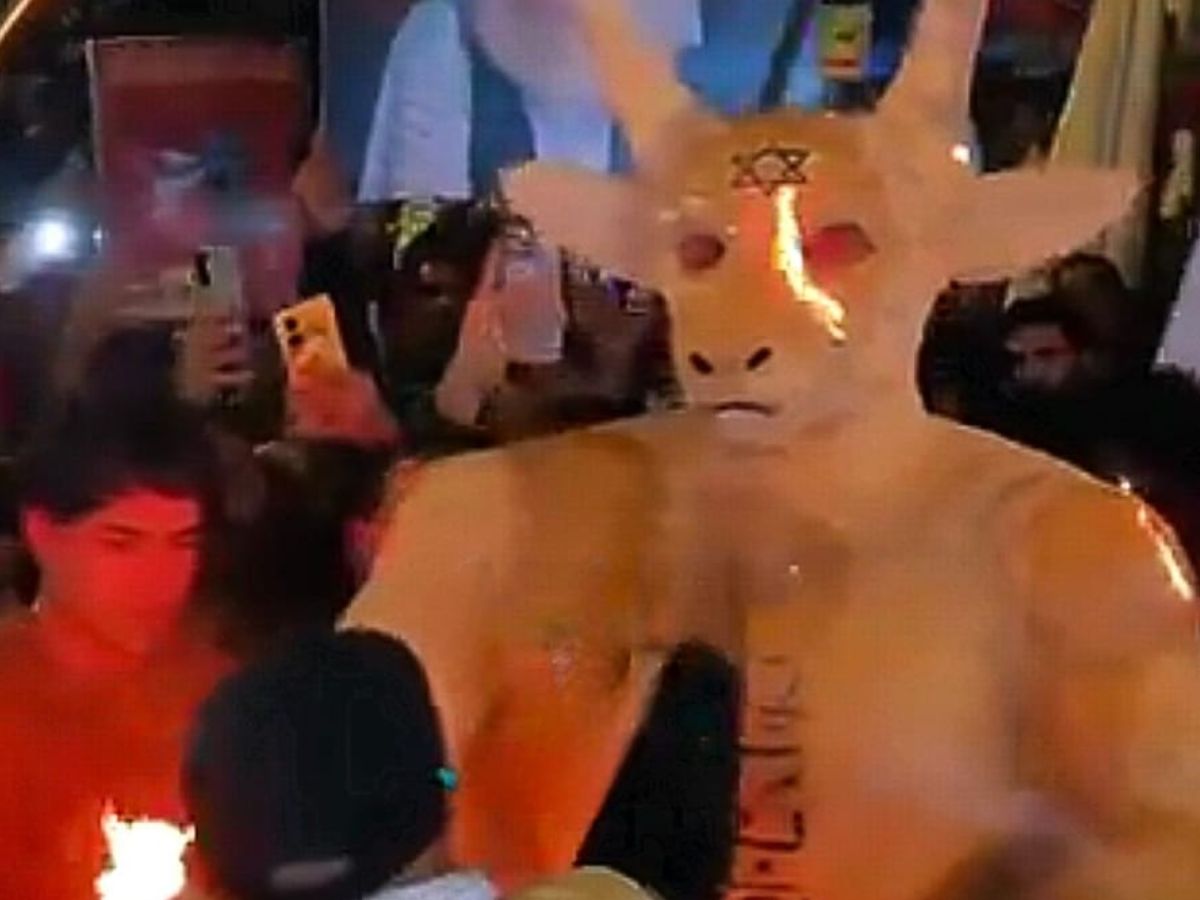

Shi’ite Muslims in Baghdad, Iraq, burned an effigy of Baal adorned with Israeli symbols on March 13, 2026, during a gathering marking al-Quds Day (Jerusalem Day). The event, held on the last Friday of Ramadan, drew participants in solidarity with Palestinians and in opposition to Israel’s control over Jerusalem.
Al-Quds Day: A Historical And Political Context
Al-Quds Day was launched in 1979 by Iran’s Ayatollah Khomeini to express support for Palestinians and protest Israeli authority over Jerusalem. The day is observed globally on the final Friday of Ramadan. During the Baghdad rally, demonstrators carried Palestinian, Iraqi, and Iranian flags and held portraits of Iran’s Supreme Leader Ayatollah Ali Khamenei, framing the act of burning the effigy as a symbolic defiance against Israel and Western influence amid ongoing regional tensions.
Demonstration Amid Regional Strains
The rally coincided with heightened conflicts in the region, including Gaza tensions and recent Israeli strikes on Iranian targets. Organizers emphasized that the protest was symbolic; no violence or arrests were reported during the event. Similar demonstrations took place worldwide, from Tehran to London, showing the international nature of al-Quds Day observances.
🔥🇮🇶 Iraqis are now BURNING BAAL idols in Baghdad pic.twitter.com/ai9Y4ho7Xb
— Jackson Hinkle 🇺🇸 (@jacksonhinklle) March 13, 2026
Global Solidarity And Symbolism
Participants used the event to express solidarity with Palestinians and voice opposition to Israeli policies in Jerusalem, while reiterating the influence of Iran-backed Shi’ite groups in regional political demonstrations. The burning of the effigy and the display of national flags and portraits served as a visual statement of resistance, consistent with the historical traditions of al-Quds Day.




