
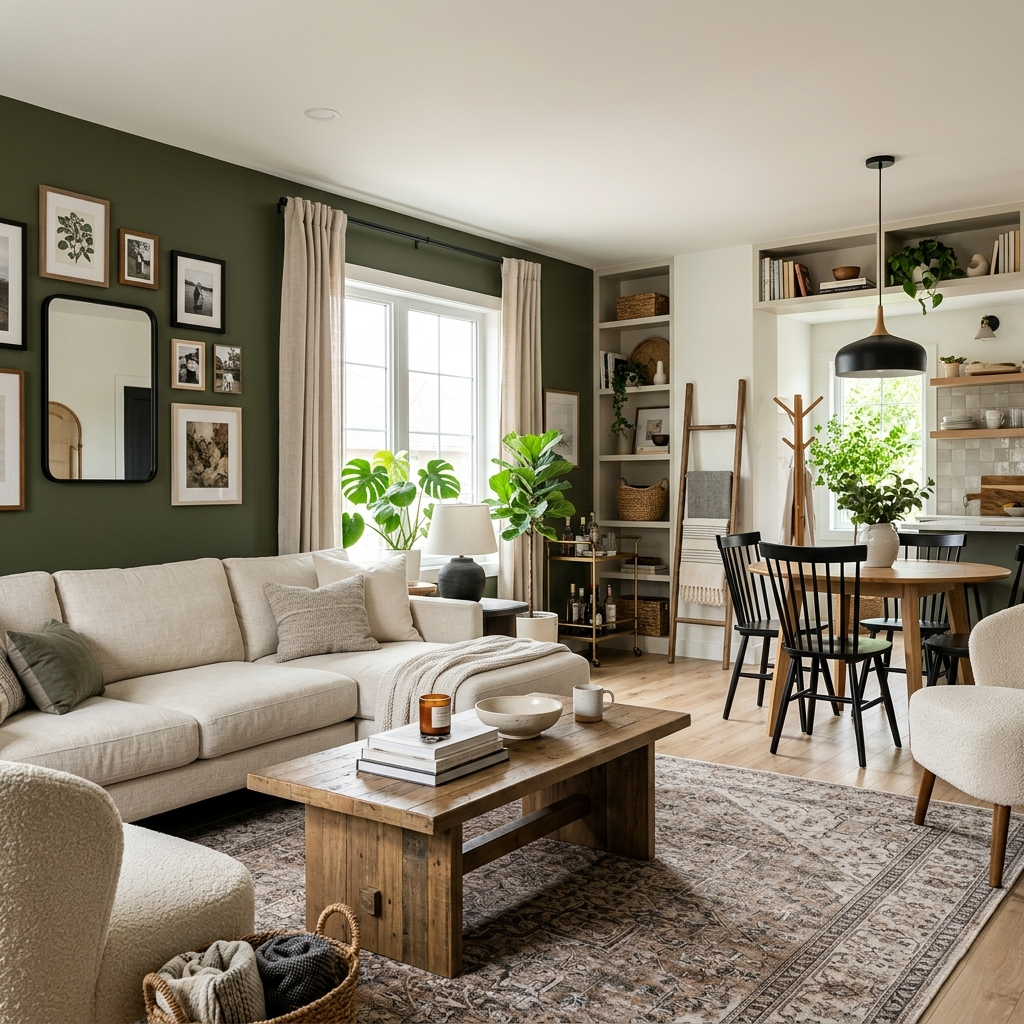
People usually notice when a house looks expensive. But what they remember more is how comfortable it felt to sit there for a while.
Some homes immediately feel easy to live in. You walk in and nothing feels forced. The rooms are not overloaded, furniture placement makes sense, and there is enough open space to move around without constantly adjusting yourself. Other homes may look impressive at first but start feeling tiring after a few minutes because everything feels packed together.
That difference often comes down to planning.
A good home is not only about decoration. It is about making everyday routines easier without making the space feel dull or overly practical. Modern homes especially need that balance now because many people are living in smaller apartments where every room has to do more than one job.
The living room becomes a workspace during the day. Dining areas double up for meetings or study time. Kitchens need to store far more than they used to. Because of this, home design today is less about showing off and more about making spaces feel comfortable long term.
Layout Matters More Than Most People Realise
A badly planned layout affects everything.
You notice it when furniture blocks movement, when there is nowhere comfortable to sit, or when rooms somehow feel crowded even though they are not small.
Open layouts became popular because they make homes feel brighter and less restricted. But open space alone does not automatically make a home comfortable. Without proper arrangement, open homes can start feeling messy very quickly.
The placement of furniture changes how the entire house functions. Large sofas pushed too close together reduce movement. Oversized tables can make rooms feel smaller. Even something as simple as placing chairs awkwardly can affect how natural conversations feel inside the room.
One thing that helps a lot is leaving breathing space around furniture. Not every corner needs to be filled.
Natural light matters too. Homes usually feel more relaxed when daylight moves properly through the space. Heavy furniture near windows can make rooms feel darker without people noticing why.
Smaller homes benefit from simplicity even more. Trying to fit too much furniture into compact rooms usually backfires. The house ends up feeling tighter instead of more useful.
A comfortable layout should feel natural without demanding attention constantly.
Kitchens Need To Feel Easy To Use
A kitchen can look beautiful in photos and still become frustrating during daily life.
That usually happens when storage is poorly planned or movement inside the space feels awkward.
People spend more time in kitchens than they realise. Morning routines, tea breaks, quick meals, family conversations, and constant cleaning all happen there. If the kitchen feels difficult to manage, the stress slowly affects the rest of the house too.
Good storage changes everything.
Daily items should stay easy to reach instead of getting buried behind unnecessary decoration. Simple layouts often work better because movement between the sink, cooking area, and storage feels smoother.
Many homeowners now compare the cost for modular kitchenette setups before renovating because modular layouts usually help organise compact kitchens better. They also make smaller spaces feel cleaner visually since cabinets and storage sections fit together properly.
The kitchen should not feel overloaded with cabinets though. Too much storage packed into a small room can make the space feel boxed in.
Lighting becomes important here as well. Kitchens with only one bright ceiling light often feel harsh, especially at night. Softer layered lighting around counters creates a more comfortable atmosphere while also helping during cooking.
People often focus heavily on finishes and colours, but convenience matters much more after the excitement of renovation disappears.
Clutter Changes The Mood Of The Whole House
One thing that makes homes feel stressful very quickly is visible clutter.
It starts slowly. A few things left outside, extra bags near chairs, random boxes in corners, or shelves collecting too many objects. Eventually the entire house starts feeling visually heavy.
Storage helps prevent that before things become difficult to manage.
Built in cabinets usually work better than adding too many separate furniture pieces later. Hidden storage also keeps rooms looking calmer because fewer things remain visible all the time.
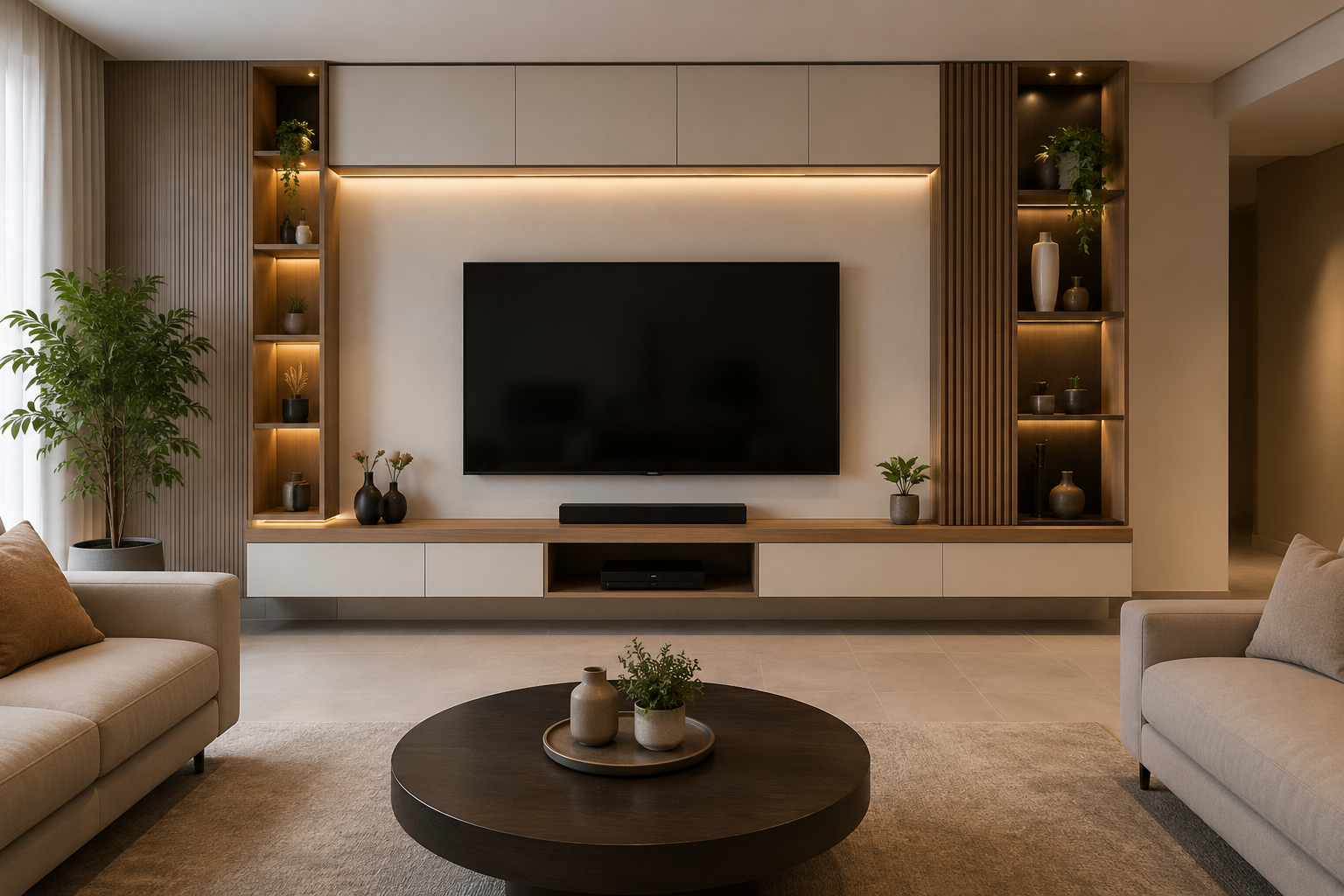
Multi use furniture helps smaller homes a lot. Beds with storage underneath, benches with compartments, and compact cabinets reduce clutter without taking up too much additional space.
Entertainment areas especially become messy fast. Wires, remotes, gaming devices, speakers, and random accessories collect around the television quickly if there is nowhere proper to keep them.
That is why many people now choose a wall mounted tv unit with storage because it helps organise the area while making the room feel less crowded visually.
Open shelves can look attractive initially, but they require constant organisation. Closed storage usually feels easier to maintain during everyday life.
A cleaner space often feels calmer mentally too.
Living Rooms Should Feel Relaxed, Not Stiff
Some living rooms feel too formal to actually enjoy.
Everything looks arranged perfectly, but nobody feels comfortable enough to sit casually or spend long hours there.
A good living room should support real life first.
Seating arrangement affects this more than decoration. Sofas placed too far apart can make the room feel disconnected. Overcrowded furniture creates the opposite problem by making movement awkward.
The television wall naturally becomes the centre of attention in most homes, so furniture placement usually revolves around it. Still, the room should not feel completely dominated by screens.
Soft textures help make living rooms feel warmer. Rugs, cushions, curtains, and wooden furniture soften the space without needing dramatic decoration.
Lighting changes the atmosphere heavily too.
Rooms with only overhead lights sometimes feel flat during evenings. Softer lamps create a calmer feeling that makes people want to stay there longer.
Many homes now try too hard to look perfect all the time. Ironically, the spaces people enjoy most are usually the ones that feel a little more natural and lived in.
Styling Works Better When It Feels Personal
A lot of people confuse styling with filling empty areas.
That usually makes rooms feel crowded instead of beautiful.
Homes tend to look better when decorative pieces are chosen carefully instead of added everywhere. One good lamp or framed piece often creates more impact than shelves packed with accessories.
Colour affects mood quietly as well. Softer shades usually create a calmer environment compared to very sharp contrasts. Natural wood tones also help interiors feel warmer without demanding too much attention.Texture matters more than expensive décor.
Linen curtains, woven baskets, cotton fabrics, stone finishes, and wooden surfaces add depth naturally. Without texture, rooms can sometimes feel flat even when the furniture is expensive.
Plants also help spaces feel more relaxed. Even a few smaller indoor plants can soften corners and make the house feel fresher.
The important thing is avoiding excess. Rooms need empty space too. When every surface feels occupied, the home can start feeling mentally exhausting after a while.
Homes Feel Better When Everything Connects Naturally
One thing comfortable homes usually have in common is consistency. Not matching furniture everywhere, but some kind of quiet connection between rooms. Maybe it is repeated wood tones, similar lighting styles, softer colours, or common textures carried through different spaces. These small details help the house feel balanced without making everything identical. Practical choices matter just as much as appearance.
Furniture should support daily routines instead of creating extra work. Storage should actually solve problems instead of becoming decoration itself.
The homes people continue enjoying for years are rarely the most dramatic ones. Usually they are the homes where movement feels easy, rooms stay manageable, and nothing feels unnecessarily complicated. That comfort is what people remember most in the end.





