

The introduction of the GST has created a new wave of discussion across different sectors and the two wheeler market is no exception. For millions of Indians motorcycles are not just a convenient mode of transport but also a necessity that fits both budget and lifestyle. With GST now in place a clear outcome has started to emerge in showrooms motorcycles have become more affordable.
According to showroom owners GST has made motorcycle pricing more straightforward and affordable. In the past buyers had to pay a mix of different state and central taxes which often pushed up costs and created confusion. Now with GST bringing everything under one tax system the overall price of many bikes has come down. Whether it is an entry level commuter bike or a mid range model customers are finding that two wheelers are available at lower rates than before.
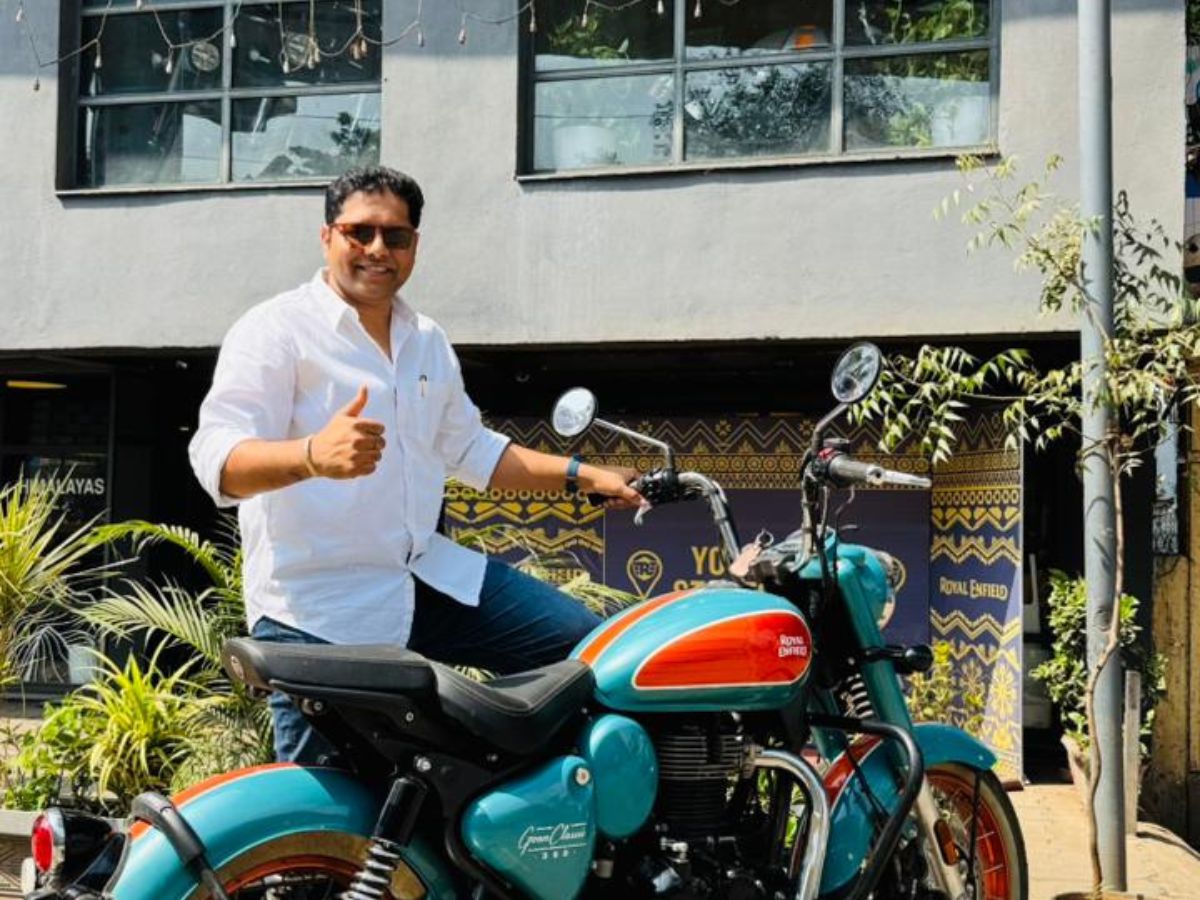
Dealers say the response has been encouraging. Royal Enfield, Palladium showroom owner Mayur Jain explained that GST has increased a remarkable footfall, with many curious buyers walking in to check the latest prices. He noted that customers who had postponed purchases earlier are now showing fresh interest and many are converting that interest into bookings. According to him the simplified tax system has not only boosted confidence but also brought clarity to the market.
Buyers walking into showrooms are clearly responding to the reduced prices. Many middle-income families who had been holding back their decisions until they understood the impact of GST are now returning to the market. With motorcycles becoming easier on the pocket customers feel more secure about going ahead with their purchases. This renewed confidence is creating a buzz in showrooms where inquiries and interest levels are steadily climbing.
For the market this is an encouraging sign. Lower prices can drive higher sales volumes which in turn benefits both manufacturers and dealers. While the reduction is not drastic for every model even a small difference in cost matters in a highly price sensitive market like India. Two wheelers form a large part of daily transport for students, office goers and families in smaller towns so the impact of any tax reform is felt directly at the ground level.
The GST effect is also expected to bring long term stability to the sector. A simpler tax system helps manufacturers streamline their distribution networks reduces paperwork for dealers and provides transparency for customers. Over time this can create a healthier ecosystem where customers benefit from fair pricing and companies can focus more on innovation and service.
At present the GST seems to be working in favour of the motorcycle industry. Lower prices have brought more people into showrooms and encouraged buyers to make decisions with greater confidence. With this momentum the two wheeler segment appears to be heading towards a period of steady growth and for customers owning a motorcycle now feels more within reach than before.
Sofia Babu Chacko is a journalist with over five years of experience reporting on Indian politics, crime, human rights, gender issues, and stories about marginalized communities. She believes journalism plays a crucial role in amplifying unheard voices and bringing attention to issues that truly matter. Sofia has contributed articles to The New Indian Express, Youth Ki Awaaz, and Maktoob Media. She is also a recipient of the 2025 Laadli Media Awards for gender sensitivity. Beyond the newsroom, she is a music enthusiast who enjoys singing. Connect with Sofia on X: https://x.com/SBCism




