

The Indian physical currency may undergo a major visual and physical upgrade. The Reserve Bank of India (RBI) is exploring the possibility of issuing polymer or plastic banknotes and might soon launch a pilot scheme to test their efficacy. According to Business Standard, the RBI is likely to initiate the pilot scheme soon. The demand for currency remains high even in the face of swift digital payment proliferation. The central bank is said to be examining a proposal first floated more than a decade ago because the cost of printing currency has now shot up and billions of damaged notes are being removed from circulation every year.
What Are Plastic Currency Notes?
Polymer banknotes are not particularly rigid like debit or credit cards, despite their name. They are made of a thin, plastic-based material which is flexible, light and can be folded just like traditional paper notes.
The biggest plus is durability. Polymer notes last longer and are more resistant to water than paper notes and will last longer in circulation. They are more durable, dirt- and moisture-resistant and more tear-resistant than paper notes. Polymer notes can contain high-tech security features such as clear windows and special holograms to deter counterfeiting.
Countries such as Australia, Canada, the United Kingdom, Singapore, Malaysia and Vietnam already have polymer banknotes in full or partial circulation.
Why Is RBI Looking At Polymer Notes Now?
India continues to be cash-heavy even as digital payment platforms are growing rapidly. RBI’s renewed interest in polymer currency comes against this backdrop.
However, the overall value of banknotes in circulation rose by 11.9% yoy to Rs 41.23 lakh crore at the end of March 2016, up from Rs 36.86 lakh crore, according to the latest RBI annual report. The volume of banknotes in circulation increased by 10.5% year-on-year.
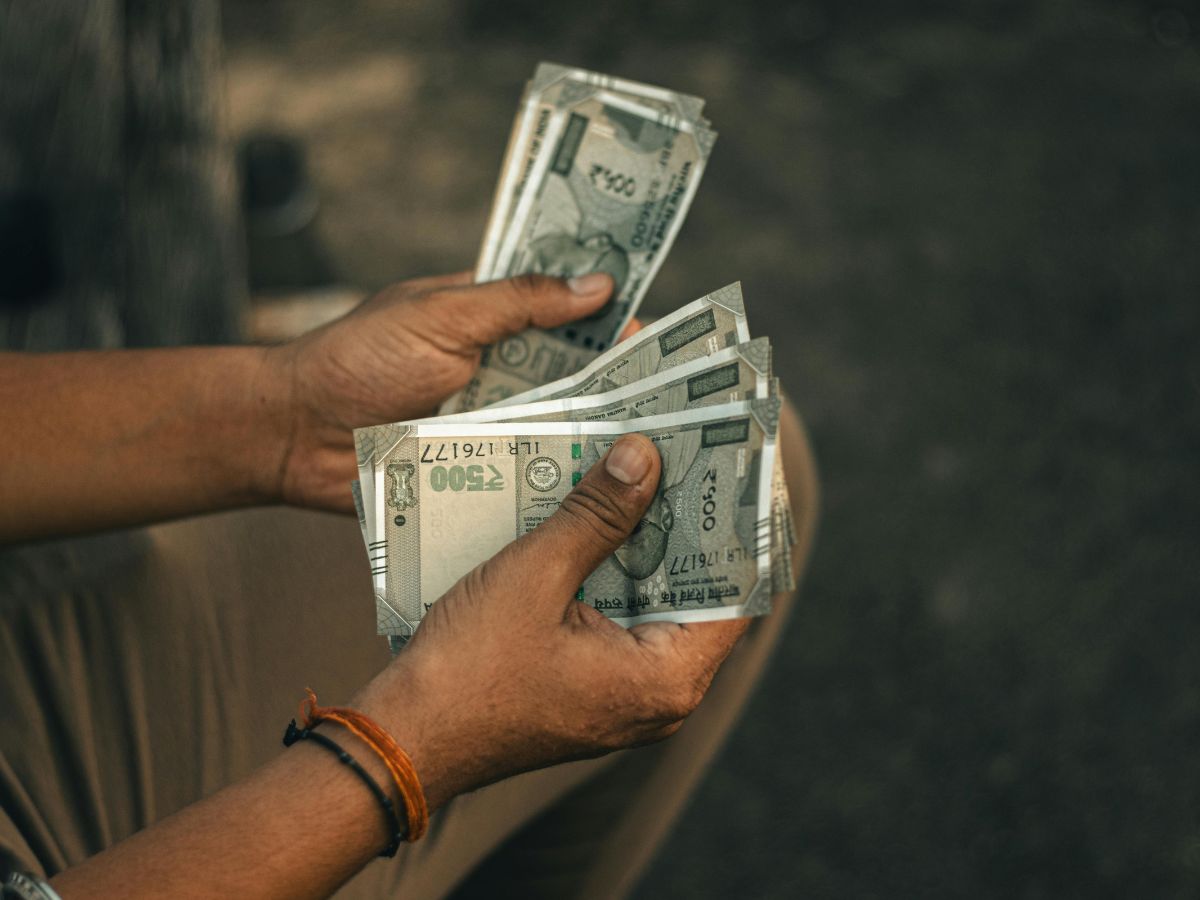
It’s the 500 rupee note that powers India’s cash economy. It constituted 85.5 per cent of the total value of currency in circulation and accounted for the largest volume of notes, followed by 10 notes. The data reiterates that, despite the phenomenal growth in UPI and digital payment methods, cash remains the most preferred method of transaction across a large part of the economy.
Spending on security printing by the RBI dropped 23.5 per cent to 4,875.2 crore in FY26 from 6,372.8 crore a year ago due to a lower indent on fresh banknotes. However, the increasing amount of currency in circulation still means a demand for durable, cost-effective banknotes.
This is where polymer notes would come handy. They last longer and are more wear-and-tear resistant and possess better security features, which would further translate into a lower replacement rate over the long term. If this move is implemented, the 10, 20, and 50 denomination notes that experience the highest turnover and wear out much faster are more likely to be used for the initial trials.
What Would This Mean For Citizens?
If the experiment is a success, then consumers can only stand to gain from the change.
Polymer notes would translate into a cleaner and more durable currency that would last longer for the everyday consumer. You would be finding far fewer ripped or excessively damaged notes being rejected by vending machines, parking mechanisms and small retailers.
The improved security features would also lead to a significantly reduced circulation of counterfeit money.
From a public finance perspective, longer-lived notes may reduce the burden on the central bank through reductions in replacement and printing costs over time. But banks, ATMs and cash handling systems may require operational tweaks for the initial switch.
There may also be a brief adjustment period for the public as they get used to the new texture and feel of polymer notes.
Not The First Try
India had tried out a trial run of ₹10 denomination polymer banknotes in the cities of Kochi, Mysore, Jaipur, Bhubaneswar and Shimla in 2012. That effort was eventually abandoned because of technological and operational problems like ATM compatibility issues.
The Business Standard report said the RBI has now addressed the limitations and is therefore revisiting the proposal.
Will Paper Notes Be Replaced Entirely?
A nationwide replacement is not likely in the near term. According to reports, RBI may begin with a pilot on low-value notes (say, 10 and 20).
A pan-India rollout may depend on the success of the trial, as well as on the operational and public acceptance of the proposed currency. Paper money will still be the currency of choice in circulation for now, but polymer notes could be the next big change in India’s cash economy if the pilot project goes ahead.
Priyanka Roshan is a business writer and assistant editor at the NewsX website who tracks everything from stock market swings and corporate earnings to personal finance trends and policy shifts. Known for turning fast-moving business developments into sharp, reader-friendly stories, she combines speed, accuracy, and a data-driven approach to break down complex financial news for everyday audiences.
With over 9.5 years of newsroom experience, Priyanka has worked with leading media organisations, including Moneycontrol, Times Now, and Ping Digital, covering diverse beats such as business, politics, technology, auto, travel, sports, and the world. From live breaking news desks to SEO-led digital storytelling, she specialises in creating engaging content that keeps readers informed without overwhelming them.





