
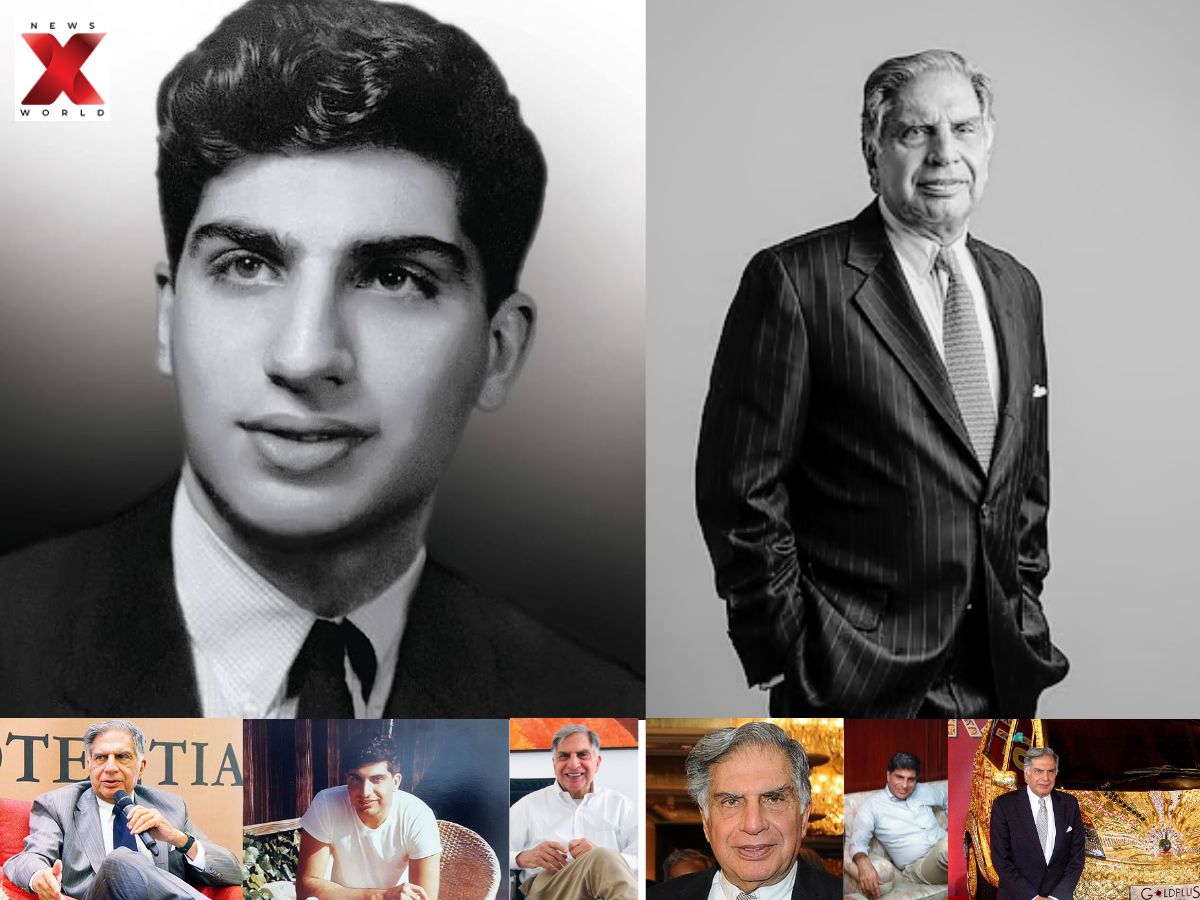

Ratan Tata Death Anniversary: Tribute To The Legend
Have you ever wondered what makes a great leader truly unforgettable? In the case of Ratan Tata, it all began with a quiet childhood full of heart.
Born on December 28, 1937, in Mumbai, Ratan wasn’t raised in a palace of power, but in the gentle care of his grandmother, Lady Navajbai Tata, after his parents separated. She nurtured not just his mind, but his soul. Those who knew him say he grew up to be one of the most empathetic, humble, and helpful people you could ever meet.
Curious and creative, young Ratan studied architecture and structural engineering at Cornell University, yes, he could’ve been an architect! But his journey didn’t stop there.
He later joined the Advanced Management Program at Harvard in 1975, sharpening his business acumen.
Even back then, Ratan Tata wasn’t just chasing success, he was quietly preparing to change the world with kindness and courage.
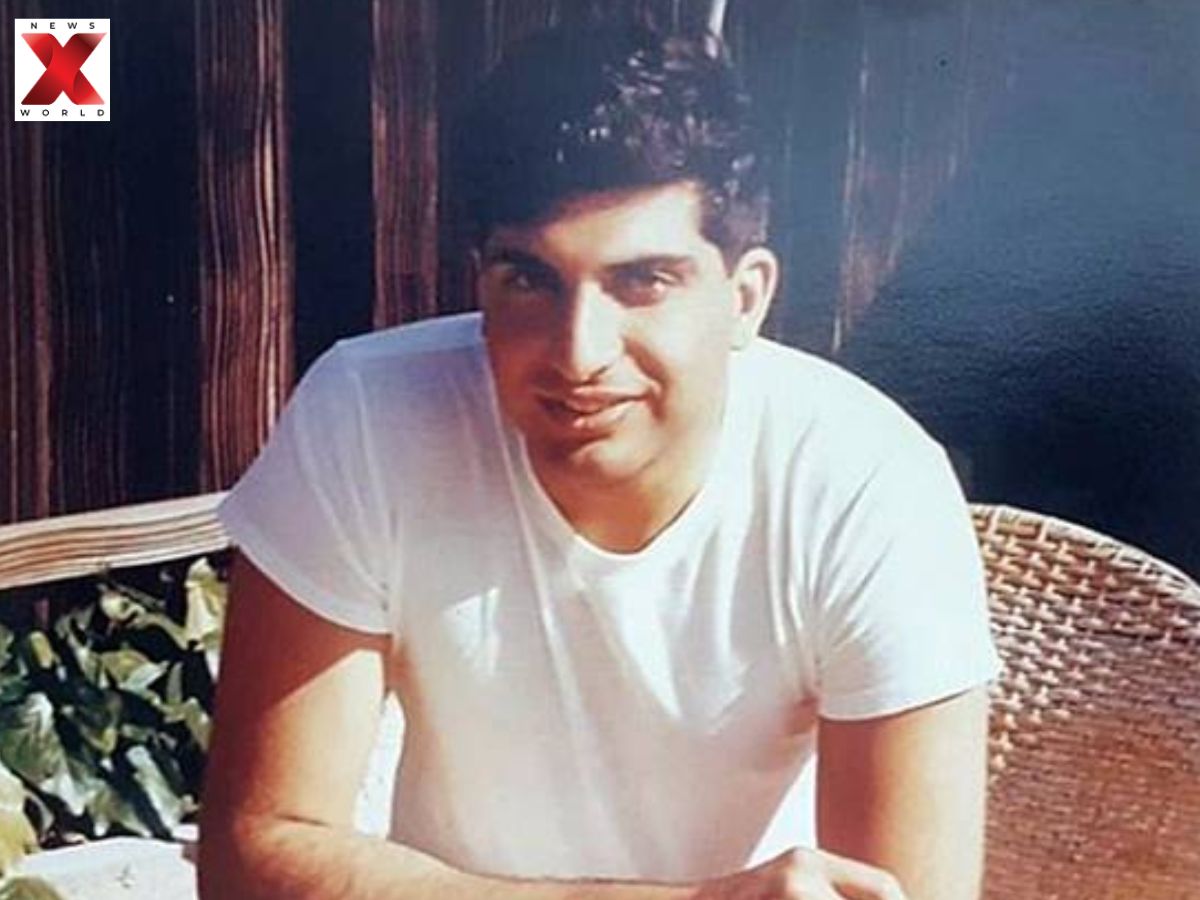
Ratan Tata And His Early Career At Tata Group
You will not believe that one of India’s greatest business legends started his journey on a shop floor?
So in early 1962, a young, sharp, intelligent man, Ratan Tata joined Tata Steel in Jamshedpur, wearing a hard hat and learning the ropes alongside factory workers. No corner office, no special treatment, just pure dedication.
He has always been the kind one!
This hands-on experience shaped his deep respect and empathy for employees, And later by the 1970s, he was taking on leadership roles, including turning around the struggling electronics company Nelco. Ratan Tata wasn’t just climbing the ladder, he was rebuilding it with values, vision, and heart.
Chairmanship And Leadership Roles Of Ratan Tata (1991–2012, 2016–2017)
As a Ratan Tata fan, I have read so much so about him now, that today i cannot stop myself from thinking about 1991, Which was the year he stepped into the shoes of the legendary J.R.D. Tata as chairman of the Tata Group.
As always and something that happend at every place, Many doubted him. Some senior leaders weren’t happy. But guess what?
He proved them all wrong, with grace.
Ratan Tata didn’t just lead, he transformed. He brought in a retirement age (yes, he made way for younger talent!), streamlined the brand, made companies pay royalties to use the “Tata” name, and strengthened Tata Sons’ control. He was very smart and sharp with his business skills and moves, and we have all now seen how that turned tables in business world.
He even stood up to the “satraps”, the powerful heads of individual Tata companies, and turned the group into one united, world-class team.
He wasn’t loud or flashy. He led with quiet confidence, integrity, and rock-solid vision. That’s when we all knew, he wasn’t just a chairman but a leader and a game-changer.
Ratan Tata’s Global Vision: How He Transformed Tata Into an International Business Powerhouse
Business Transformation and Global Expansion
- Economic Liberalization: Leveraged India’s 1990s liberalization to transform Tata from a domestic conglomerate to a global powerhouse.
- Revenue and Profit Growth: Group revenue grew over 40 times, and profits increased more than 50 times during his tenure.
- Key International Acquisitions:
- Tetley Tea (2000): Marked Tata Group’s first major global takeover.
- Corus Steel (2007): Positioned Tata Steel as one of the world’s largest steel producers.
- Jaguar Land Rover (2008): Revitalized luxury car brands despite initial criticism.
How Ratan Tata Built the Tata Group
Ratan Tata’s transformation of the Tata Group is defined by four key pillars:
- Consolidation and Governance: Unified the group under professional leadership and a single brand identity.
- Globalization: Shifted focus to global markets through bold acquisitions and brand-building.
- Innovation: Championed new technologies and products while exiting stagnant sectors.
- Ethical Leadership: Maintained Tata’s core values of integrity, social responsibility, and nation-building, reflected in philanthropic initiatives and humane crisis responses.
Ratan Tata And His Tata Nano: A Bold Dream That Redefined Innovation with Heart
The world doesn’t just respect Ratan Tata, But it admires him for the way he blended business with humanity and innovation, making it available for everyone, every class.
One of his boldest ideas? Who else would dream of building a car for the common Indian family?
The Tata Nano, launched in 2008. It wasn’t just a car, it was a promise to millions of Indian families dreaming of safe, affordable transportation. Even though it didn’t succeed commercially, the Nano became a symbol of social innovation, and people around the world took notice.
But Tata’s vision didn’t stop with cars. Under his leadership, the group stepped confidently into the future, expanding into IT with TCS, telecom, and modern retail. At the same time, he had the courage to let go of fading sectors like textiles and cosmetics.
That’s what sets Ratan Tata apart on the global stage, he wasn’t just building a business empire. He was building a better tomorrow, with heart, courage, and a vision the world couldn’t ignore.
Ratan Tata The Man With A Heart For All
Philanthropy and Social Responsibility
- Tata Trusts: Oversaw the growth of one of India’s largest charitable organizations, owning 66% of Tata Sons and directing profits toward education, healthcare, and rural development.
- Humanitarian Leadership: Notable compassionate response during crises like the 2008 Mumbai terror attacks (26/11) and the COVID-19 pandemic, supporting victims and employees.
- Donations: Major contributions to institutions like Cornell and Harvard, as well as cancer care and animal welfare.
A Farewell to a Legend- RATAN NAVAL TATA
It’s hard to imagine the Tata Group without Ratan Tata at the helm, but in 2012, he officially stepped down as chairman, leaving behind a legacy few could match. Even then, he wasn’t done. As Chairman Emeritus, and briefly as interim chairman (2016–2017), he continued to guide with quiet strength.
A life that shaped generations. Today, we remember our Chairman Emeritus Ratan N Tata with deep respect. pic.twitter.com/5gs9mo7oEJ
— Tata Group (@TataCompanies) October 9, 2025
What truly touched the hearts of many was his deep support for young entrepreneurs. He personally backed startups like Ola, Lenskart, and Paytm, not just with money, but with mentorship that changed lives.
The nation honored him with the Padma Bhushan (2000) and Padma Vibhushan (2008), fitting tributes to a man who gave so much.
But October 9, 2024, brought deep sorrow, the day Ratan Tata passed away at the age of 86. On his first death anniversary in 2025, tributes poured in from across India and the world.
We didn’t just lose a businessman, we lost a gentle giant with a golden heart.
(With Inputs)
Aishwarya is a journalism graduate with over three years of experience thriving in the buzzing corporate media world. She’s got a knack for decoding business news, tracking the twists and turns of the stock market, covering the masala of the entertainment world, and sometimes her stories come with just the right sprinkle of political commentary. She has worked with several organizations, interned at ZEE and gained professional skills at TV9 and News24, And now is learning and writing at NewsX, she’s no stranger to the newsroom hustle. Her storytelling style is fast-paced, creative, and perfectly tailored to connect with both the platform and its audience. Moto: Approaching every story from the reader’s point of view, backing up her insights with solid facts.
Always bold with her opinions, she also never misses the chance to weave in expert voices, keeping things balanced and insightful. In short, Aishwarya brings a fresh, sharp, and fact-driven voice to every story she touches.




