
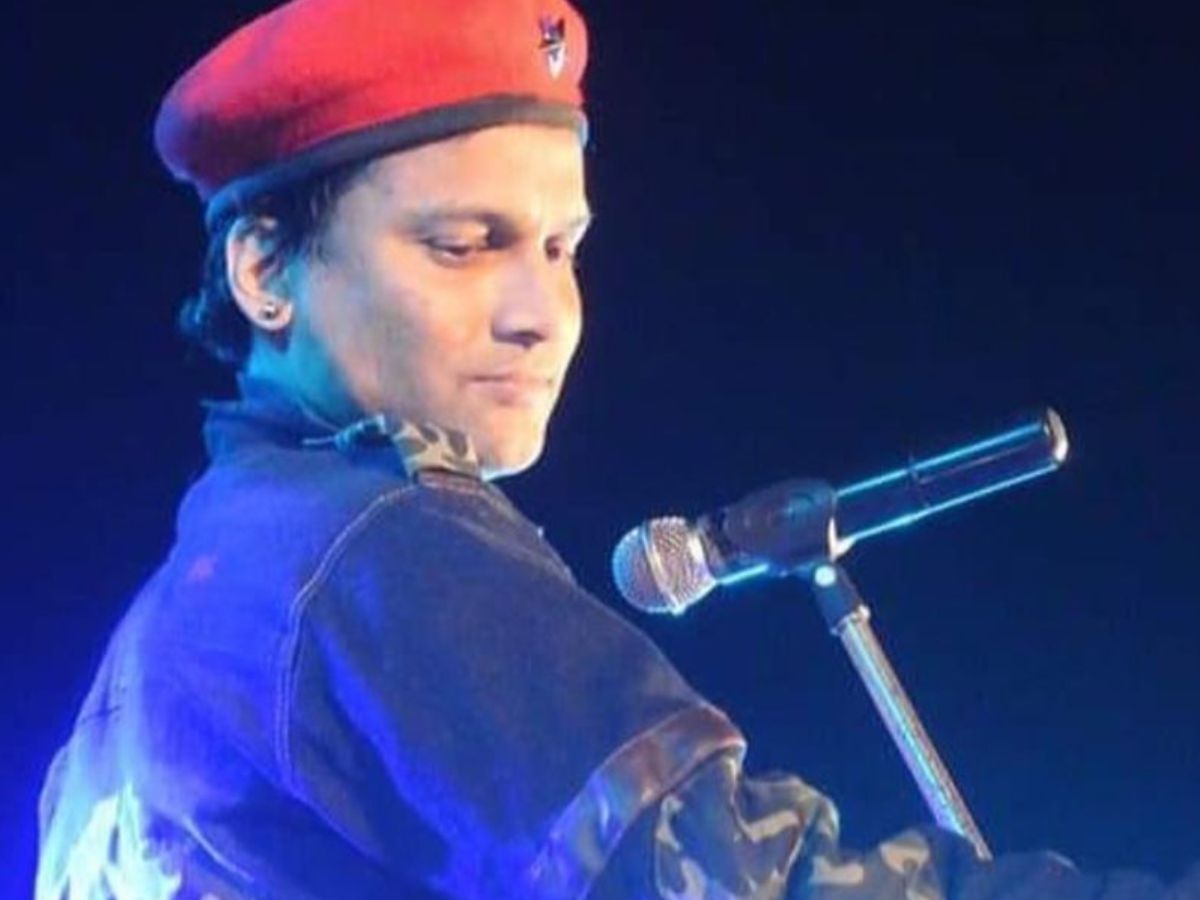

The sudden death of Zubeen Garg, the iconic Assamese singer and cultural figure, has caused a tidal wave of grief in Assam and beyond, but in addition to mourning, the passing of the singer also appears to be triggering an even greater discussion about identity, unity and communal trust in an assam region long divided along the sectarian fault lines. His music by Zubeen already put him in a special place in one of the states where political conflict so often intersects with religious identities, an intermediary, a man whose voice cuts across the borders.
Zubeen Garg’s Death: How Did It Happen?
Zubeen died on 19 September, 2025, on a yachting holiday to Singapore, supposedly after swimming. The case was initially autopsied by the police of Singapore, and it was discovered that this was a drowning case, which was an accident case. But this very moment doubts and suspicions were cast in Assam, by his wife, by his admirers, by other painters, that a good faith belief in an explanation so simple would be found impossible. Ever since the news came out, Assam had settled into a general lament. Political leaders proclaimed a state of mourning, FIRs were filed, the government said it would probe into the facts surrounding his death through a judicial commission.
Zubeen Garg’s Legacy: Beyond Religion, Language And Caste
But the distinction is that once institutional machinery begins to overwork, what becomes visible is how Zubeen is losing emotionally, as well as symbolically, along Assam communal fault lines. A state where Hindu and Muslim communities constantly erupted into disputes especially in Assamese Bengali speaking parts, Zubeen was an exception, as he sang to everyone, and his popularity was not limited by religious affiliations. The fan who mentioned that his music was my inner peace may have referred to the way his music made him feel better even though there are limits. What is emphasized is that Zubeen had been a potent symbol of unity in a divided Assam already with his life and his work. His art was plural in soul and he not only sang in different languages but also made himself familiar with different communities. And death has added to that symbolism. In the tragic hour, the majority are discovering in his Death, a chance to transcend suspicions, to insist on a contrasting standard, to rejoice in unity rather than division.
What Followed After Zubeen Garg’s Death
Assam’s Chief Minister, Himanta Biswa Sarma asked a sitting judge to be the head of the commission and also asked the people to submit affidavits and information that could help in establishing the truth. Meanwhile, the SIT (Special Investigation Team) of the Assam Police detained several people who were somehow involved in the incident namely the manager of Zubeen called Siddharth Sarma, organizer of the festival Shyamkanu Mahanta, and musicians who supposedly participated in the boat trip. Arrests came quickly, the manager and the organizer were charged with culpable homicide and negligence, conspiracy and even a charge of a murder Section 103 of the Bharatiya Nyaya Sanhita, which increased the pressure of investigation. Videos were being circulated on the internet in which one of the arrested musicians is seen swimming next to Zubeen and another taking the footage with a mobile phone. The Singapore government has released the autopsy report to India but the Indian investigation is yet to receive the rest of the forensic and viscera reports.
Zubeen Garg’s death is not only a shock to the people of Assam but a heartbreak as well. It has reignited debate over safety, trust and control over cross border happenings and more fundamentally, it has also reminded Assam and India of the small but crucial bonds that art and shared culture can still build.




