
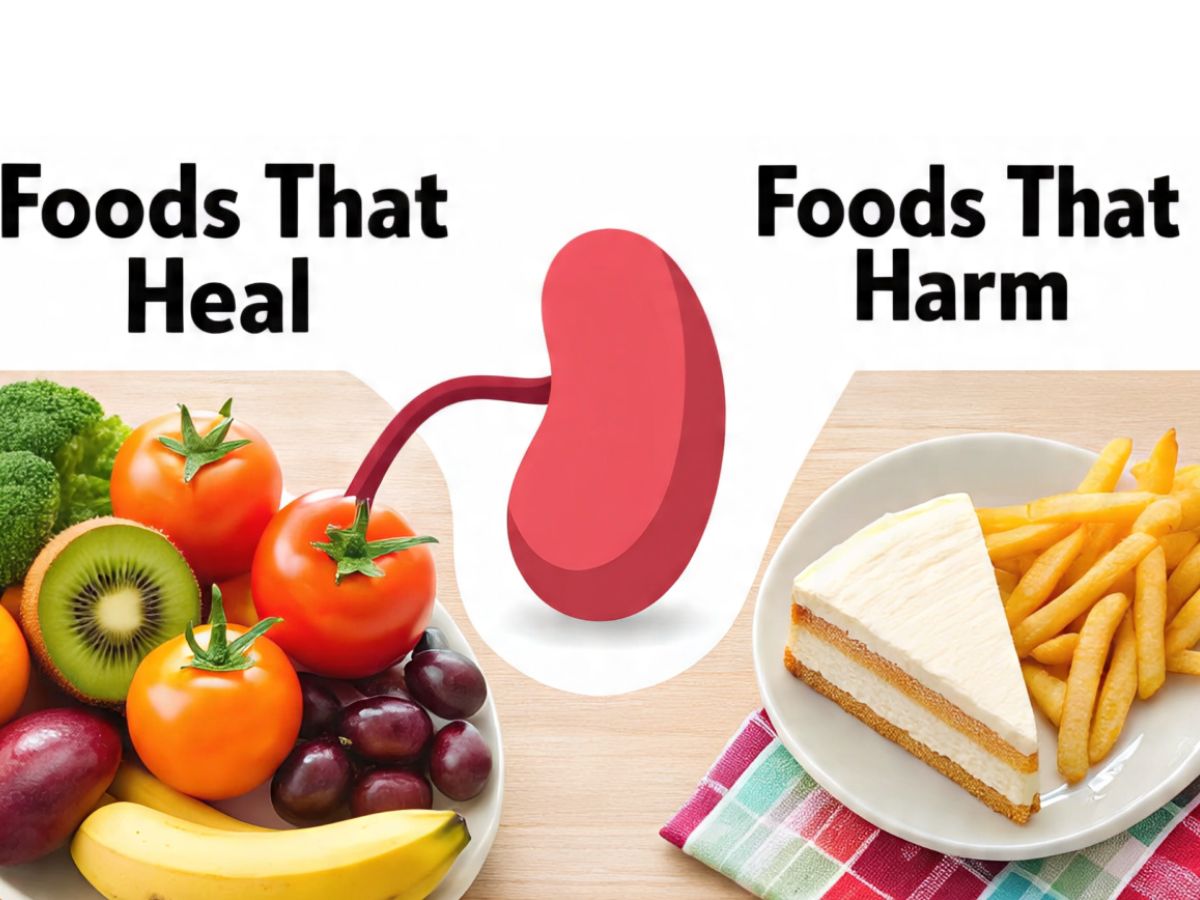

Foods That Heal the Kidneys
- A diet for kidney health is a diet to protect the kidneys, and slow the progression of kidney disease. The following foods promote kidney health.
- Low-potassium fruits: Eat low-potassium fruits, as well as fruits with anti-inflammatory properties, such as, apples, cranberries, grapes, pineapple, and strawberries.
- Vegetables: Eat cauliflower, bell peppers, cabbage, onion, radishes, arugula (among others). These and many vegetables are usually lower in potassium and phosphorus, and nutrient dense (which are likely less taxing on the kidneys).
- Protein: Eat skinless lean turkey and chicken (catfish and other) and egg whites. These foods are high-quality proteins with much less waste (and much less phosphorus) than red or processed meats.
- Healthy fats: Use olive oil and very small quantities of macadamia nuts (nut butter) as your fat (and non-potassium) choices. They will usually have less phosphorus than other nuts.
- Use herbs, spices, garlic: Use garlic and spices rather than salt. They will add taste to food without sodium.
- Whole grains: Buckwheat, bulger, and pita bread; and sourdough bread (with lower phosphorus than wheat or rye) are better whole grain options.
Foods to Limit or Avoid
- If you are dealing with chronic kidney disease or you are at risk for chronic kidney disease you will want to eliminate or limit foods that contain high sodium, potassium, and phosphorus:
- Salty processed foods: Canned soups, processed meats, takeout foods, and packaged snack foods often have sodium that can cause potentially fluid retention and raise your blood pressure.
- High potassium foods: Foods that are high in potassium (including avocados, bananas, oranges, melons, potatoes, spinach, Swiss chard, dried fruit) can begin to need to be limited in the late stages of kidney disease.
- High phosphorus foods: Dark sodas, whole wheat products, dairy products, nuts other than the macadamia and possibly some lower phosphorus nuts, and some beans may need to be limited as they may be high in phosphorus (high phosphorus is bad for the bones and kidney function if phosphorus levels become out of control).
- Red meat and high-fat dairy products: High saturated fat, high animal fat/protein foods produce wastes the kidney has to filter.
- Soda and sugary drinks: These foods provide you with empty calories and often more phosphorus preservatives that you just do not need.
Recommendations for a Kidney-Friendly Diet
- Consider eating unprocessed, fresh foods with little sodium, potassium, and phosphorus unless directed otherwise
- Keeping track of portion size and fluid intake can be especially important if advised to limit during your stage of kidney disease.
- Before making any significant dietary changes, in either direction, it is always best to consult your doctor or dietitian first – each circumstance is unique and these considerations vary scientifically in accordance to your renal function.
Although following kidney-friendly recommendations will hopefully help your overall health, following these recommendations will also (hopefully) help maintain the best of your kidney function.
This article is for informational purposes only and should not be considered medical advice. People with kidney disease or related conditions should consult a healthcare professional or dietitian before making dietary changes.
Vani Verma is a content writer with over 2 years of experience in lifestyle, entertainment, health and digital media. She has a knack for creating engaging and research-driven content that resonates with readers, blending creativity with clarity. Passionate about media trends, culture, and storytelling, she strives to craft content that informs, inspires, and connects.




