
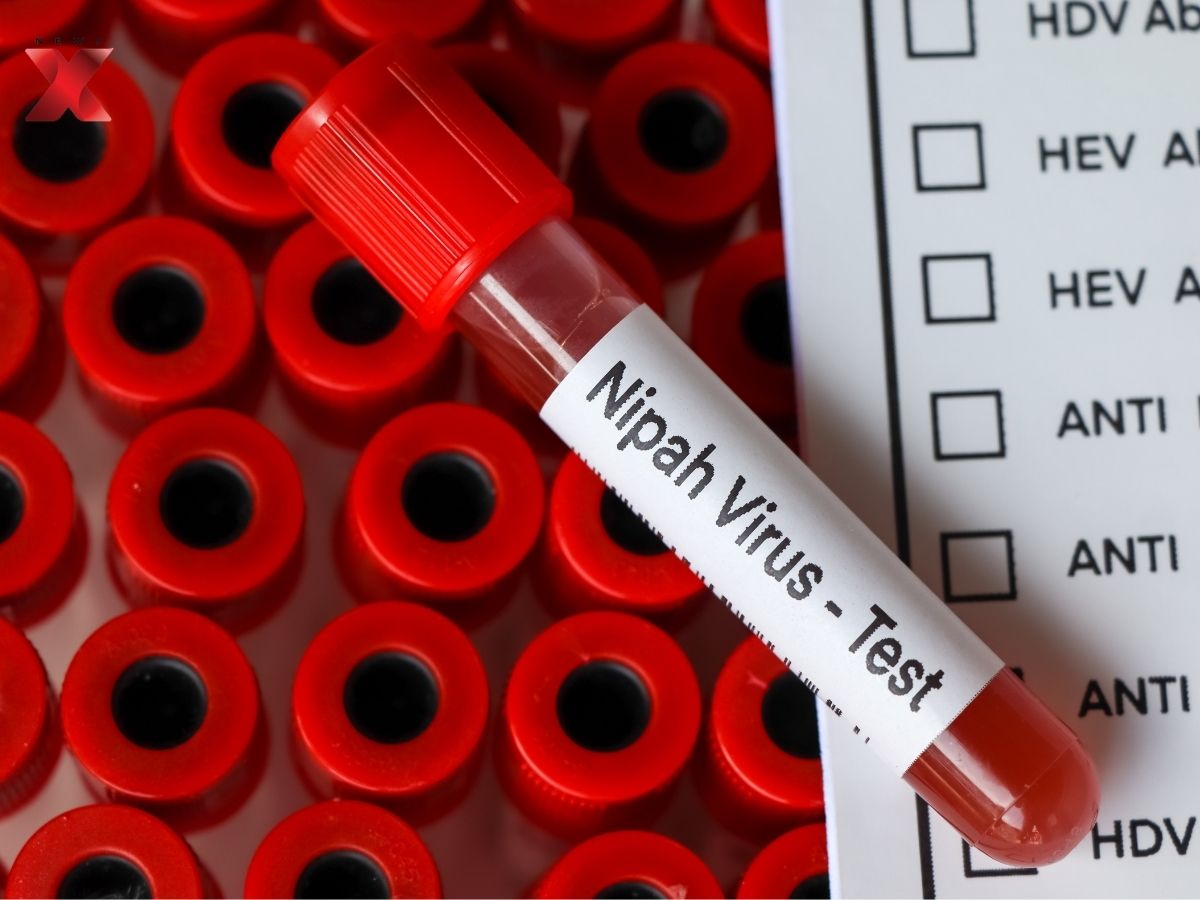

Two suspected Nipah virus cases have been identified in West Bengal, prompting the deployment of a National Joint Outbreak Response Team to prevent further spread. The Nipal virus diseases were deleted on Sunday at the Virus Research and Diagnostic Laboratory (VRDL) of the Indian Council of Medical Research at AIIMS Kalyani.
What is Nipah Virus?
Nipah virus (NiV) is a highly contagious and potentially fatal zoonotic virus that spreads from animals to humans. It was first identified in 1999 during an outbreak in Malaysia and has since caused periodic outbreaks in South and Southeast Asia, including India.
The virus is naturally carried by fruit bats (Pteropus species), also known as flying foxes. Humans can get infected through direct contact with infected animals, consumption of contaminated food (such as fruits or raw date palm sap), or human-to-human transmission, especially in close-contact settings like hospitals and households.
Symptoms of Nipah Virus
Symptoms of Nipah virus infection can appear anywhere between 4 to 14 days after exposure and may worsen rapidly. They often begin mildly but can progress to severe, life-threatening complications.
Early symptoms include:
-
Fever
-
Headache
-
Muscle pain
-
Fatigue and weakness
-
Sore throat
-
Nausea and vomiting
As the infection progresses, severe symptoms may develop:
-
Dizziness and confusion
-
Disorientation or altered consciousness
-
Seizures
-
Difficulty breathing or acute respiratory distress
-
Brain inflammation (encephalitis)
-
Coma in critical cases
Due to the virus’s high fatality rate, anyone experiencing symptoms, especially after possible exposure, should seek immediate medical attention. Early isolation and supportive treatment are crucial to prevent complications and further spread.
How to Protect Yourself From Nipah Virus?
Nipah virus can be extremely dangerous for humans. The Centers for Disease Control and Prevention (CDC) states that the fatality rate ranges between 40 to 75 per cent, depending largely on how effectively health authorities are able to control and manage the outbreak.
Here are key measures to reduce the risk of infection:
Avoid contact with bats and animals
-
Do not touch fruit bats or animals that appear sick or dead.
-
Avoid visiting areas where bats are known to roost during an outbreak.
Be cautious with food and water
-
Do not consume partially eaten fruits or fruits that may have been contaminated by bats.
-
Avoid raw date palm sap and ensure fruits are washed and peeled before eating.
Maintain strict hygiene
-
Wash hands frequently with soap and water or use alcohol-based sanitiser.
-
Avoid touching your face with unwashed hands.
Follow infection-control measures
-
Avoid close contact with anyone showing flu-like or neurological symptoms.
-
Caregivers and healthcare workers should use protective gear (PPE) when handling suspected cases.
Stay informed and follow advisories
-
Follow guidelines issued by health authorities and local administrations.
-
Report symptoms early and cooperate with testing, isolation, and contact tracing efforts.
Manisha Chauhan is a passionate journalist with 3 years of experience in the media industry, covering everything from trending entertainment buzz and celebrity spotlights to thought-provoking book reviews and practical health tips. Known for blending fresh perspectives with reader-friendly writing, she creates content that informs, entertains, and inspires. When she’s not chasing the next viral story, you’ll find her diving into a good book or exploring new wellness trends.




