

India–US trade deal, especially amid claims by former US President Donald Trump that India would cut its tariffs on American goods to “zero.” In its detailed statement, the White House explained that the agreement focuses on eliminating or reducing tariffs across key sectors, rather than an immediate blanket zero-tariff regime.
In a statement issued on Friday (local time), the White House said the “historic trade deal” will open Indian markets to American products. “Last Friday, in a Joint Statement, President Donald J. Trump announced a trade deal between the United States and India that will open up India’s market of over 1.4 billion people to American products,” the statement said.
Trump–Modi Call over India–US trade
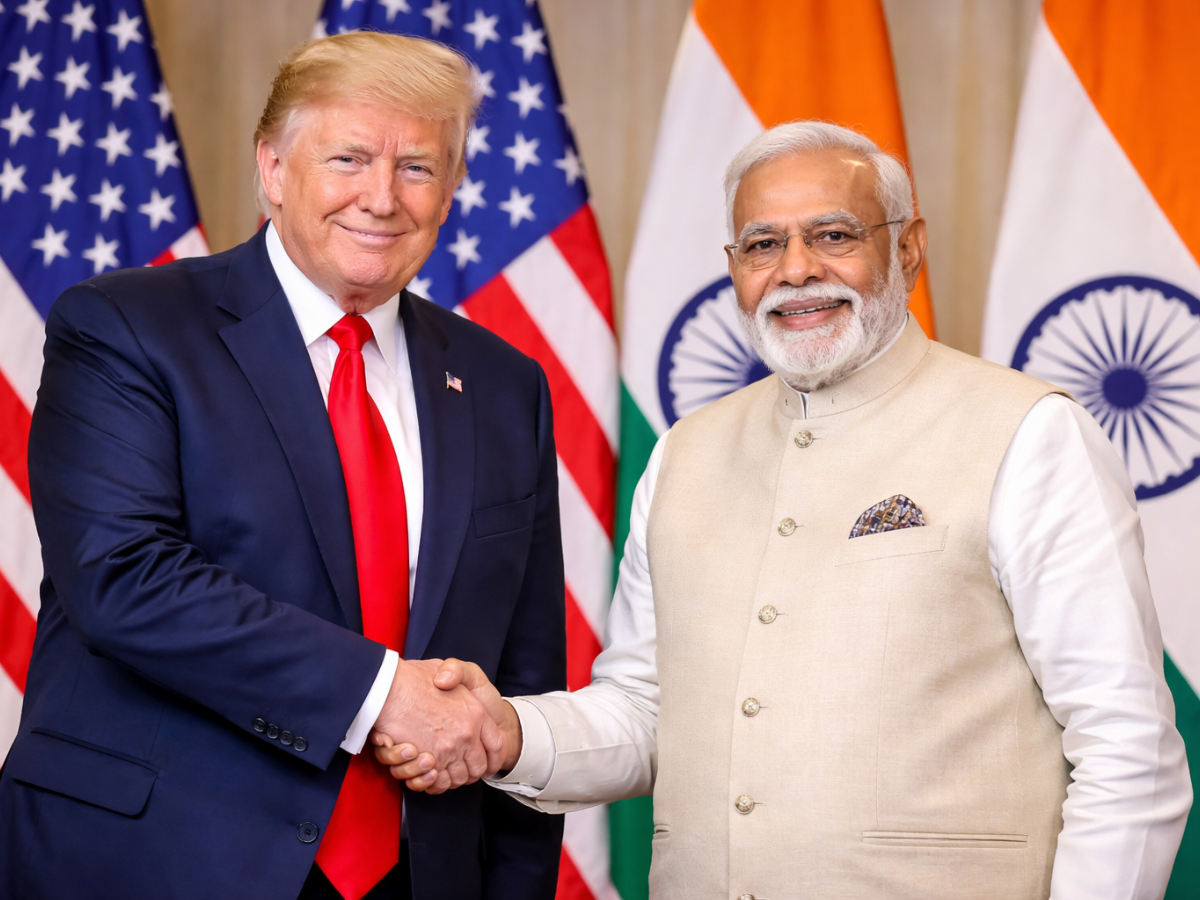
The Joint Statement regarding India–US trade followed a phone call between President Trump and Prime Minister Narendra Modi last week. During the call, both leaders agreed on a framework for an Interim Agreement on reciprocal trade and reaffirmed their commitment to a broader US-India Bilateral Trade Agreement (BTA).
The White House also clarified tariff-related decisions taken by Washington on India–US trade. “Also on the call, Trump agreed to remove the additional 25% tariff on imports from India in recognition of India’s commitment to stop purchasing Russian Federation oil. Accordingly, the President signed an Executive Order last Friday removing that additional 25% tariff,” the statement said.
US Tariff Rollback on India
It added that the US would further lower duties. “Given India’s willingness to align with the United States to confront systemic imbalances in the bilateral trade relationship and shared national security challenges, the United States will lower the Reciprocal Tariff on India from 25% to 18%,” the statement said.
On India’s side, the White House explained that New Delhi has agreed to eliminate or reduce tariffs, not instantly drop them to zero. The agreement covers all US industrial goods and a wide range of food and agricultural products, including dried distillers’ grains (DDGs), red sorghum, tree nuts, fresh and processed fruit, certain pulses, soybean oil, wine and spirits, and more.
Why Tariff Cuts Are Gradual
India has also committed to purchasing over USD 500 billion worth of American energy, ICT, agricultural, coal and other products. It will address non-tariff barriers, remove digital services taxes, and negotiate new digital trade rules.
The statement noted that “India has maintained some of the highest tariffs on the United States of any major world economy,” with duties averaging 37% on agricultural goods and over 100% on certain autos, explaining why gradual reduction is central to the deal.
“In the coming weeks,” the two sides will work toward finalising the Interim Agreement and continue negotiations on remaining trade barriers, the White House said, stressing that the deal aligns with Trump’s broader push to expand market access for American exporters.
(With Inputs from ANI)




