
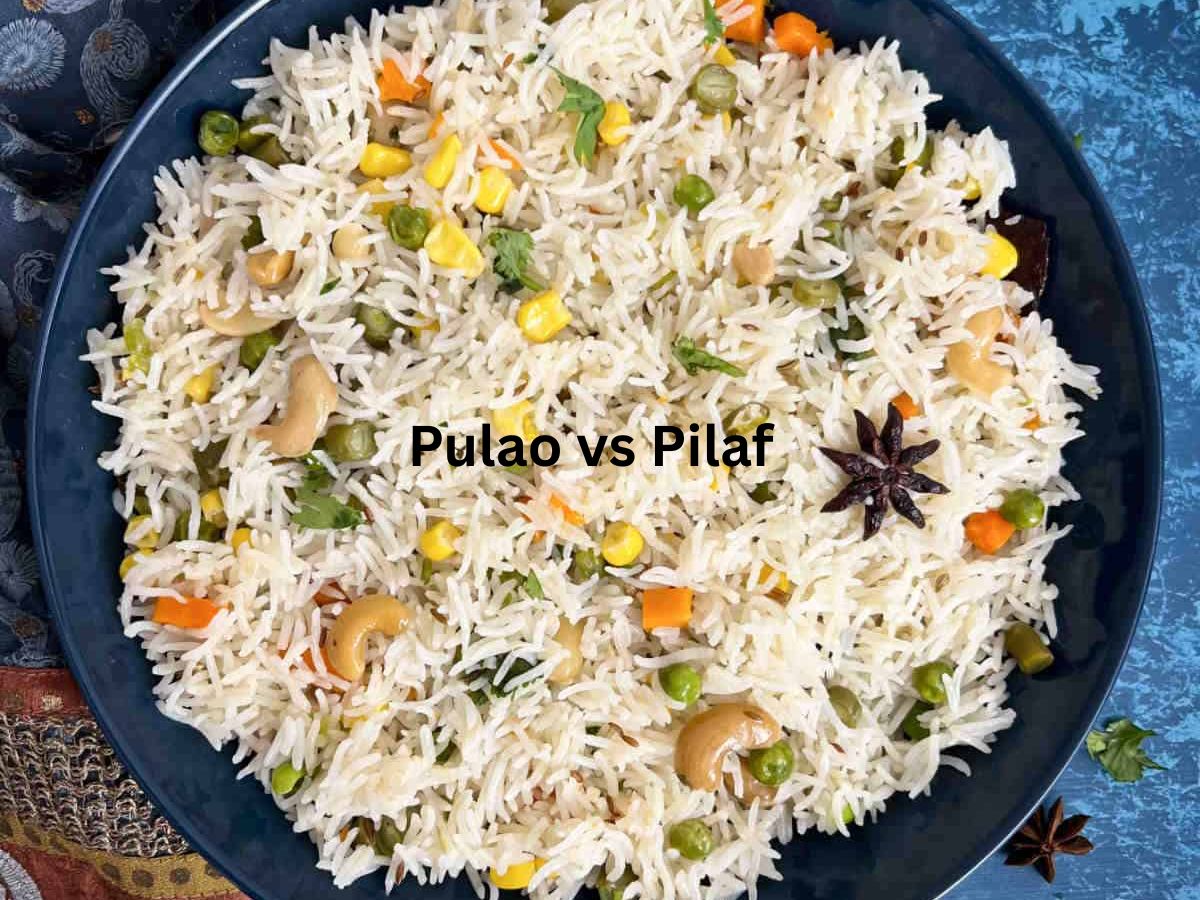

Pulao is one of the most beloved dishes in Indian cuisine, known for its rich flavors and aromatic spices. It is often confused with other rice based dishes like biryani, but pulao has its own unique identity. Many people wonder what pulao is called in English, especially when describing it to someone unfamiliar with Indian cooking. Let’s explore the English name, origin and significance of this popular dish.
Understanding Pulao
Pulao is a fragrant rice dish made by cooking rice with vegetables, meat, or seafood along with aromatic spices. It is a staple in many Indian households and is often prepared for special occasions, festive meals, or even as a wholesome weekday dinner. The preparation is lighter than biryani, making it perfect for those who prefer mildly spices dishes.
The English Name Of Pulao
In English pulao is generally referred to as “Pilaf”.
The term Pilaf comes from the Persian word pila`v and has been widely adopted in Western cuisines. Both pulao and Pilaf refer to the same style of rice cooking, where the grains are cooked with broth, spices, and other ingredients to infuse deep flavors. This term is recognized globally and is commonly used on restaurant menus outside South Asia.
The Origin Of The Word Pilaf
The word Pilaf has ancient roots, tracing back to Persian and Turkish cuisines. It spread across different cultures, including the Middle East, Central Asia, and eventually Europe. While the exact ingredients may vary by region, the concept of cooking rice with spices and stock remains the same. Over time, India adopted this style and gave it its own twist, resulting in the flavorful dish we know as pulao today.
Difference Between Pulao and Biryani
While pulao and biryani are similar, they are not identical.
Pulao: Rice and ingredients are cooked together, making it quicker and lighter in flavor.
Biryani: Ingredients are layered with rice and slow cooked, creating a richer, spicier dish with deeper flavors.
This distinction helps English speakers better understand the nuances between these two beloved dishes.
Global Popularity Of Pulao
Today, pulao or Pilaf is enjoyed worldwide. In Mediterranean and Middle Eastern cuisines, Pilaf often features nuts, dried fruits, and herbs. In India, regional variations like Kashmiri Pulao, Vegetable Pulao, and Chicken Pulao showcase the diversity of this dish. Its versatility and mild spice level make it a favorite among both Indian and international food lovers.
Conclusion
Pulao, known as Pilaf in English, is a flavorful and versatile rice dish loved across the globe. Its origins may be ancient, but it remains a timeless favorite due to its simplicity, taste, and adaptability. Whether you call it pulao or pilaf, it is a dish that bridges cultures and continues to be a star of festive and everyday meals alike.




