

PM Modi arrived in Kuala Lumpur on Saturday for wide-ranging bilateral talks with Malaysian Prime Minister Anwar Ibrahim, with both leaders set to review cooperation under the India–Malaysia Comprehensive Strategic Partnership.
According to the MEA, discussions will cover trade and investment, defence and security, semiconductors, digital technologies, renewable energy, education, healthcare, and people-to-people exchanges.
Warm Reception for PM Modi in Kuala Lumpur, Malaysia
PM Modi was received at the airport by Malaysian Prime Minister Anwar Ibrahim upon his arrival.
“Landed in Kuala Lumpur. Deeply touched by the warm welcome extended by my friend, Prime Minister Anwar Ibrahim at the airport. I look forward to our conversations and to further strengthening the bonds of friendship between India and Malaysia,” PM Modi said in a post on X.
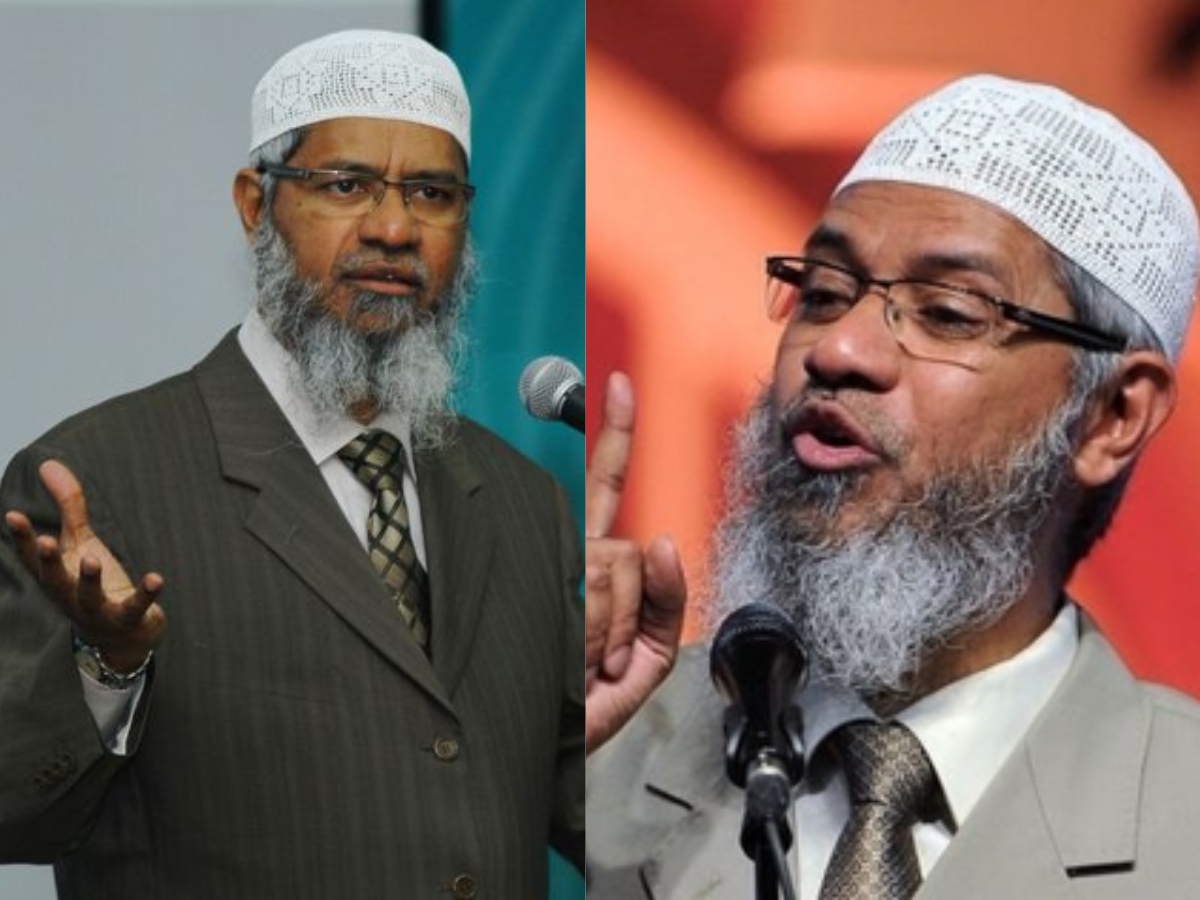
Will Malaysia Extradite Controversial Islamic Preacher Zakir Naik?
The extradition of controversial Islamic preacher Zakir Naik will be among the key issues discussed during Prime Minister Narendra Modi’s two-day visit to Malaysia, the Ministry of External Affairs (MEA) confirmed ahead of the trip.
Addressing a special MEA briefing in New Delhi on February 5, Secretary (East) P Kumaran said India would persist with its efforts to secure Zakir Naik’s extradition.
“As far as the question of Zakir Naik is concerned, I can assure you that all issues will be discussed during the visit,” Kumaran said.
“We will probably continue to take up the issue until all technical procedures are completed, and we hope to get the outcome that we desire,” he added.
India and Malaysia share an extradition treaty, but Malaysian authorities have maintained that the case must be resolved through judicial consideration.
During the February 5 briefing, Kumaran said India had used recent diplomatic engagements to clearly articulate its position on internal security and counter-terrorism.
“We had an opportunity to try and explain to various interlocutors our position on terrorism, the kind of steps we take as part of our counter-terrorism activity and why a lot of it is something that requires a strong response from us from time to time because of provocations caused by cross-border terrorism,” he said.
Why Is Zakir Naik Wanted in India?
The July 2016 Dhaka terror attack marked a turning point in Zakir Naik’s trajectory. Within hours of the attack, he fled India. One of the bombers later told Bangladeshi investigators that he had been influenced by Naik’s preaching through his YouTube channel.
Zakir Abdul Karim Naik has not returned to India since and faces multiple criminal charges, featuring on the country’s list of most-wanted fugitives.
Three months after the Dhaka attack and Naik’s flight from India, the National Investigation Agency (NIA) registered a case against him under the Unlawful Activities (Prevention) Act and relevant provisions of the Indian Penal Code.
His organisation, the Islamic Research Foundation (IRF), had already been declared an unlawful association by the central government.
Zakir Naik has been accused of spreading hatred through provocative speeches, funding terror activities, and money laundering of several crores of rupees.
In July 2016, a year after he fled the country, India cancelled his passport. By then, Naik had claimed that he was a non-resident Indian (NRI), with some reports suggesting that he had acquired Saudi Arabian citizenship.
Zakir Naik Extradition Efforts and Interpol Move
India has repeatedly requested Malaysia to extradite Zakir Naik, but Kuala Lumpur has declined to entertain the plea so far. India is now in talks with Interpol to secure a Red Corner Notice (RCN) against him.
Following the Dhaka attack, Zakir Naik’s name also surfaced in connection with the April Easter bombings in Sri Lanka. Zahran Hashim, the leader of the National Thowheeth Jama’ath, the group that claimed responsibility for the attacks, had publicly praised Zakir Naik and urged Sri Lankan Muslims to consider what they could do for him.
Zubair Amin is a Senior Journalist at NewsX with over seven years of experience in reporting and editorial work. He has written for leading national and international publications, including Foreign Policy Magazine, Al Jazeera, The Economic Times, The Indian Express, The Wire, Article 14, Mongabay, News9, among others. His primary focus is on international affairs, with a strong interest in US politics and policy. He also writes on West Asia, Indian polity, and constitutional issues. Zubair tweets at zubaiyr.amin




